
Camaleonda: why it's everywhere
400,000 Pinterest saves. 72 Instagram posts a day. Eleven reissues and copies. Mario Bellini's 1970 sofa is the most reproduced object of contemporary furniture.
3 MIN · 5 OBJECTS IDENTIFIEDFour hundred thousand Pinterest saves. Seventy-two daily Instagram posts under #camaleonda. Eleven reissues and copies available in 2026, from the real B&B Italia at 14,800 euros to the AliExpress dupe at 380. Mario Bellini's Camaleonda sofa has become, in six years, the most reproduced object in the history of contemporary furniture. Why this one, and not another.
The context
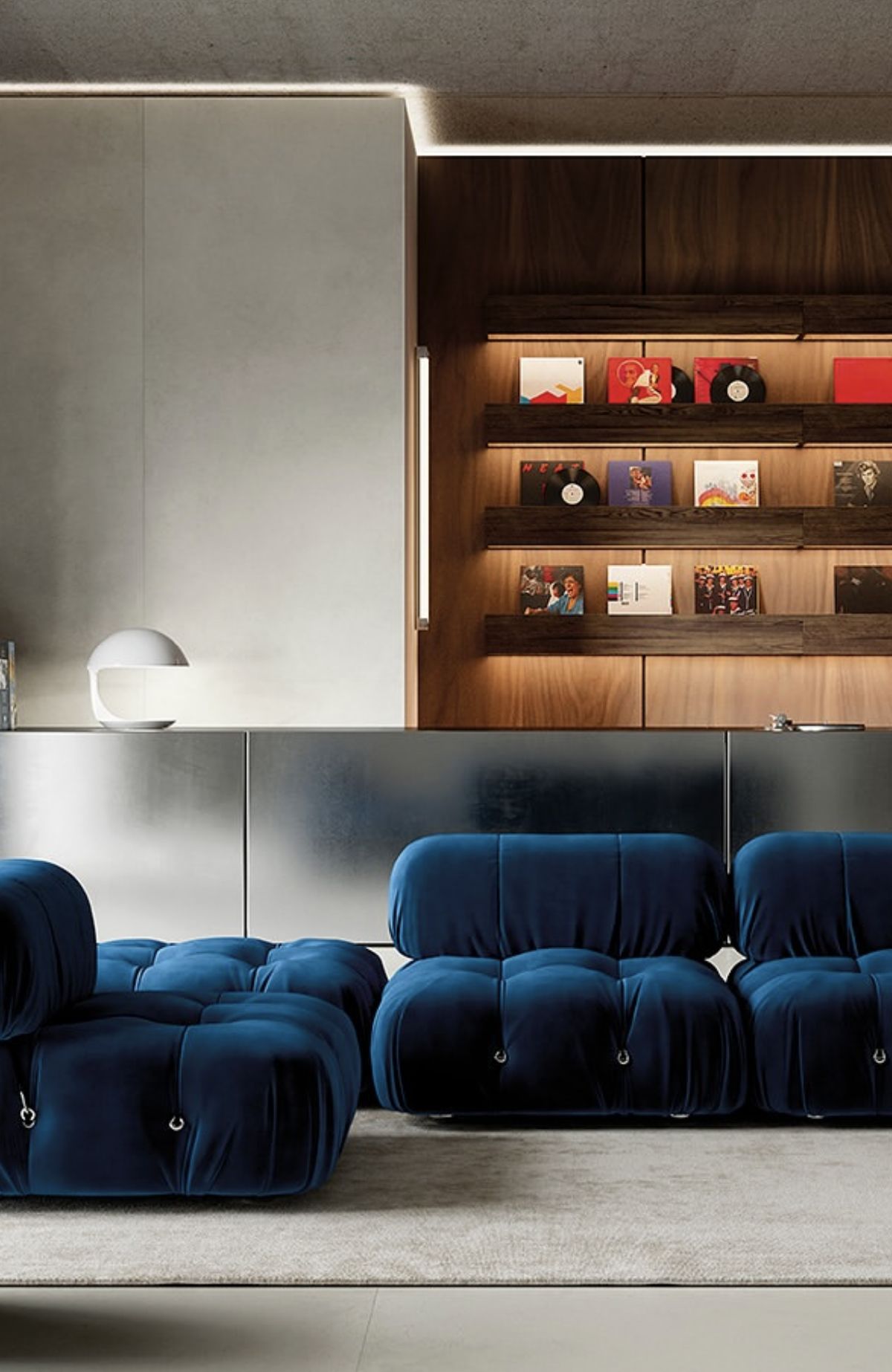
Designed by Mario Bellini for B&B Italia in 1970. Shown at the Salone del Mobile that same year. The brief: maximum modularity, no rigid structure, velvet modules held together only by lateral straps and a leather cord at the back.
Production: 1970-1979, then discontinued. Considered dated for thirty years. Reissued by B&B Italia in 2020, on the back of a wave of Italian seventies reissues led by Cassina, Arflex and Tacchini. And then, the explosion.
Why now — four reasons
1. The shape
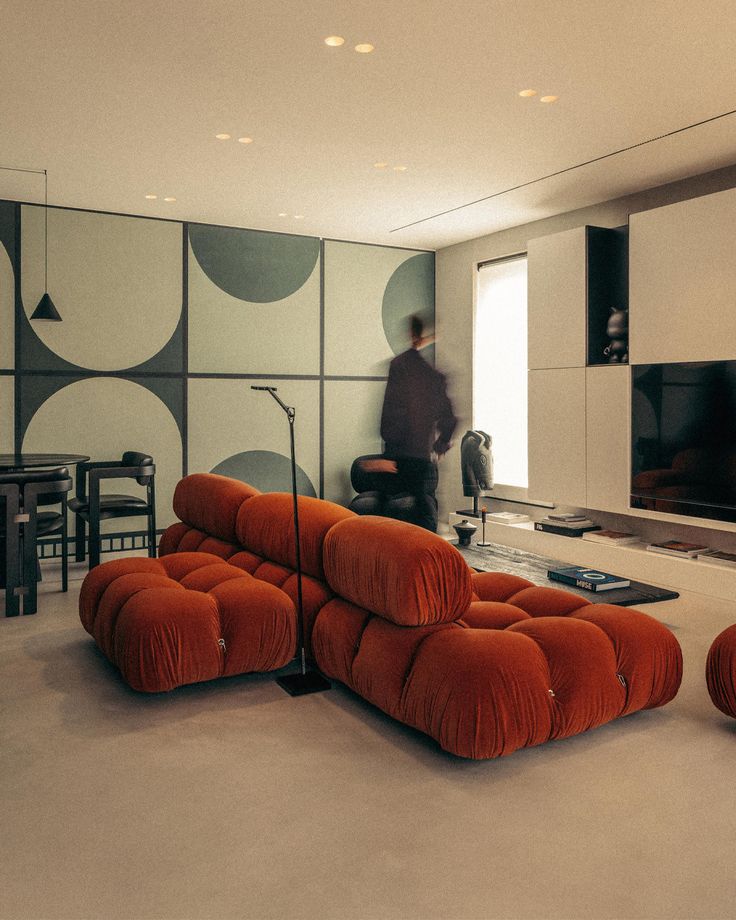
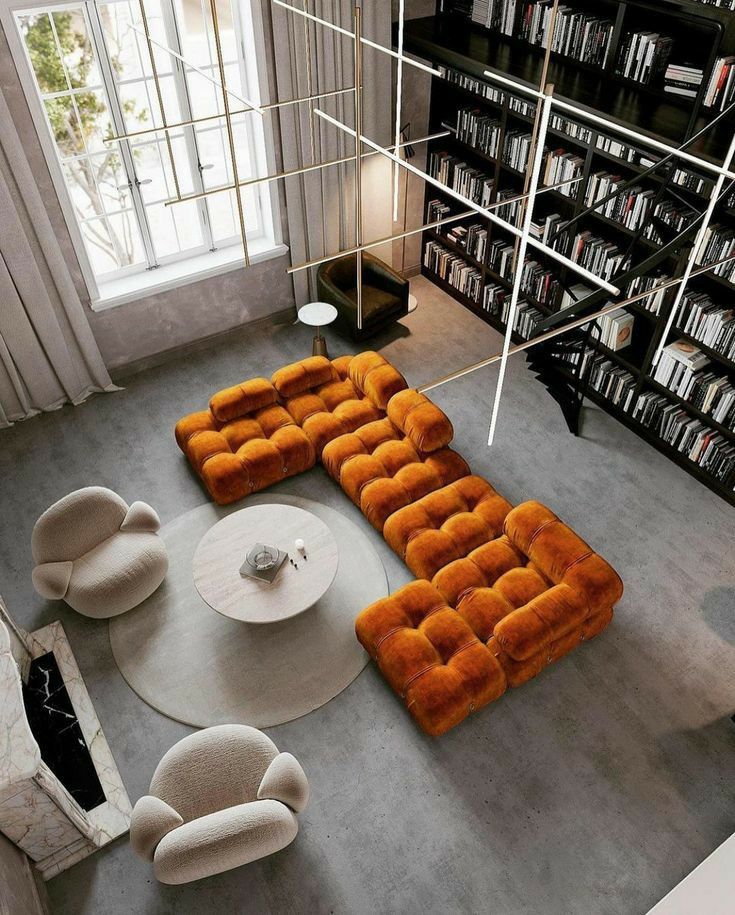
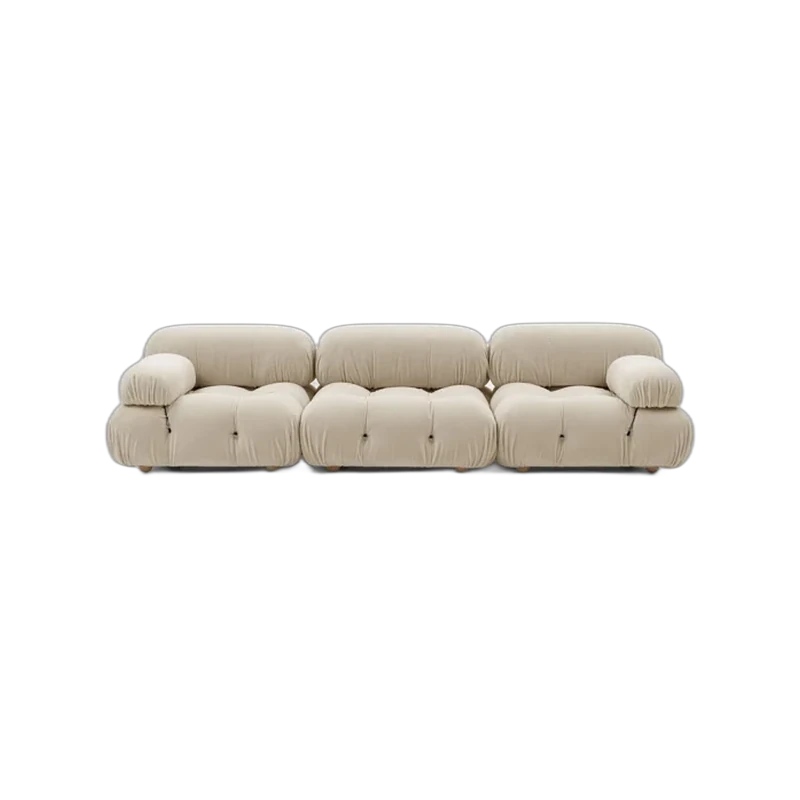
The Camaleonda offers something no classic sofa offers: a 360-degree silhouette that can be arranged in a U, an L, a circle, a straight bench. For a generation buying 40 sq m flats and forced to reconfigure the living room as office, dining room or home cinema, this is modularity at its peak.
2. The camera
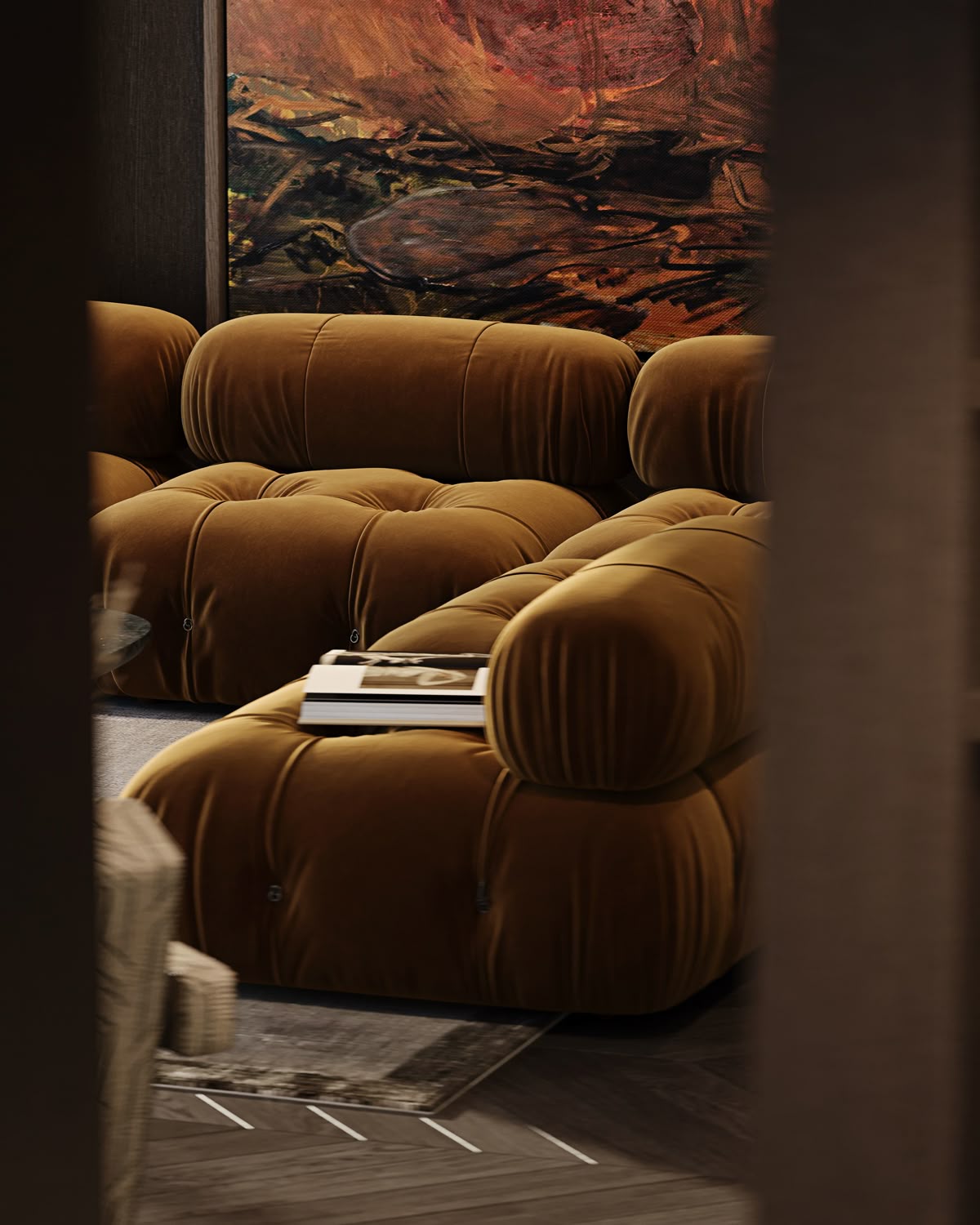
The Camaleonda photographs perfectly. Its low-profile structure (45 cm high) opens up the frame, the modules draw clean lines, the velvet catches the light while absorbing reflections. No other sofa produces as many Instagrammable images — it is the Photoshop-friendly sofa par excellence.
3. The invisible brand
The Camaleonda carries no visible signature. No logo, no exterior label. That makes it impossible to identify without expertise — exactly the grammar of the new luxury (see our manifesto of 25 May). Owning a real Camaleonda becomes an act of knowledge, not of signalling.
4. The maximum price gap
12,000 euros at B&B Italia, 380 euros on AliExpress. This is the sofa with the widest gap between real and dupe, which makes it simultaneously the aspirational buy and the click-product. No one else occupies both extremes of the market at the same time.
How to tell the real from the fake
The velvet
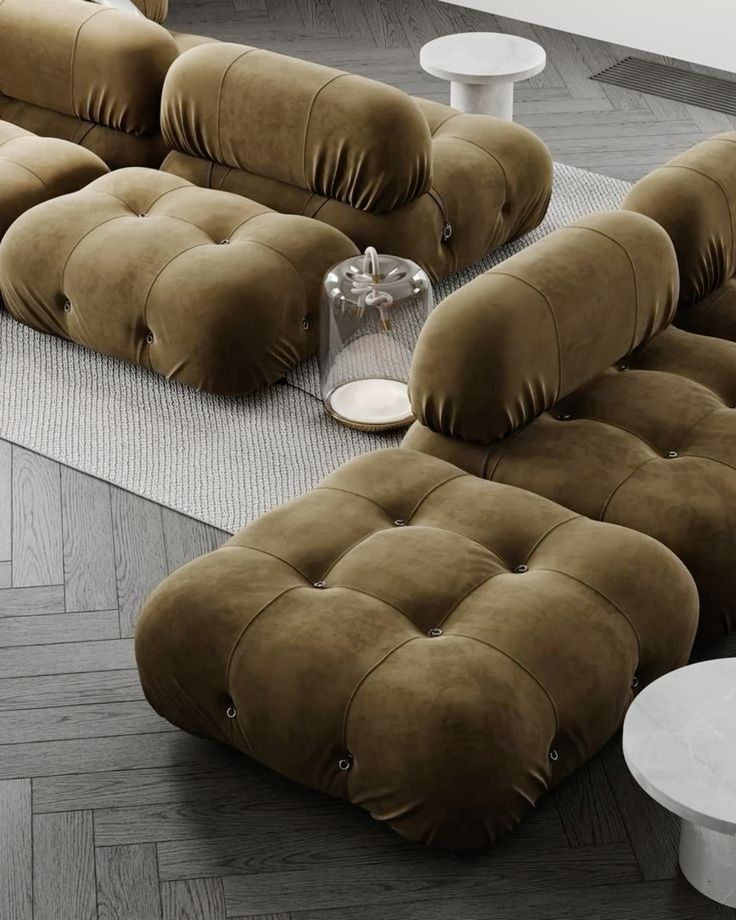
The real B&B Italia uses Italian velvet at 380 g/m². The dupe: a glossy polyester at 140 g/m². To the eye, through an iPhone, indistinguishable. To the hand, immediate — one is tactile and matte, the other smooth and slippery.
The modules
The real has modules sewn with invisible stitching, gathered at the top into a "marrow" shape. The dupe has pressed modules with visible machine seams, flat at the top. The difference shows immediately in raking light.
The structure
The real weighs 35 kg per module. The dupe weighs 18 to 22. The difference: a solid beech frame versus a chipboard one. Ten-year consequences: the real keeps its shape, the dupe sags in two years.
The label
The real carries a label sewn inside the central module, with the B&B Italia logo, serial number and date of manufacture. The dupe: no label, or a printed plastic tag that isn't sewn.
The honest compromises
If 12,000 euros is out of reach: the in-between reissues at 4,000-6,000 euros from Tacchini or Edra — Camaleonda-inspired sofas without the name. If 4,000 euros is still out of reach: a real vintage 1970s Camaleonda, sometimes found at 3,200 euros on Selency. Often in middling condition, but patinated leather = a signature in itself.
To avoid absolutely: any Camaleonda under 1,500 euros. These are systematically Asian dupes with synthetic velvet, chipboard frames and zero patina to look forward to.
The flip side
The Camaleonda suffers from the affliction of every "seen everywhere" object: it is starting to signal algorithmic over-consumption. Buying a Camaleonda in 2026 = either an act of knowledge (the real one, after identification), or an act of passive mimicry (the dupe because one has seen it a hundred times).
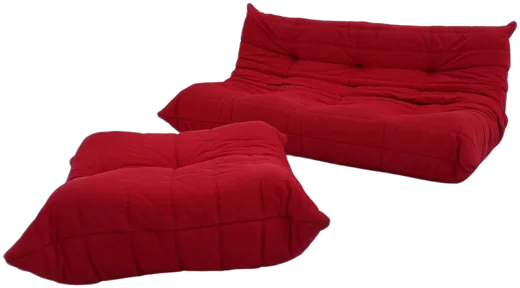
The nuance matters. In five years, the Camaleonda will be what the Togo was in the 2010s: the middle-class object one no longer owns because it has lost its gap. The grammar of the new luxury will catch up with it — it will have stopped being illegible.
One photo, every piece identified.
Your room, a shop window, an inspiration screenshot: send the photo, we find the pieces and their alternatives at every price.
On iPhone, the app does the same from your camera.
The pieces, at your budget.
Every piece mentioned, with its alternatives — from vintage to dupe.


Gallery
4 images