
Jacobsen's Series 7: the real Fritz Hansen and its copies
Arne Jacobsen drew the Series 7 in 1955 for Fritz Hansen. Shell, stamp, base: what separates the edition from restaurant copies, and the prices.
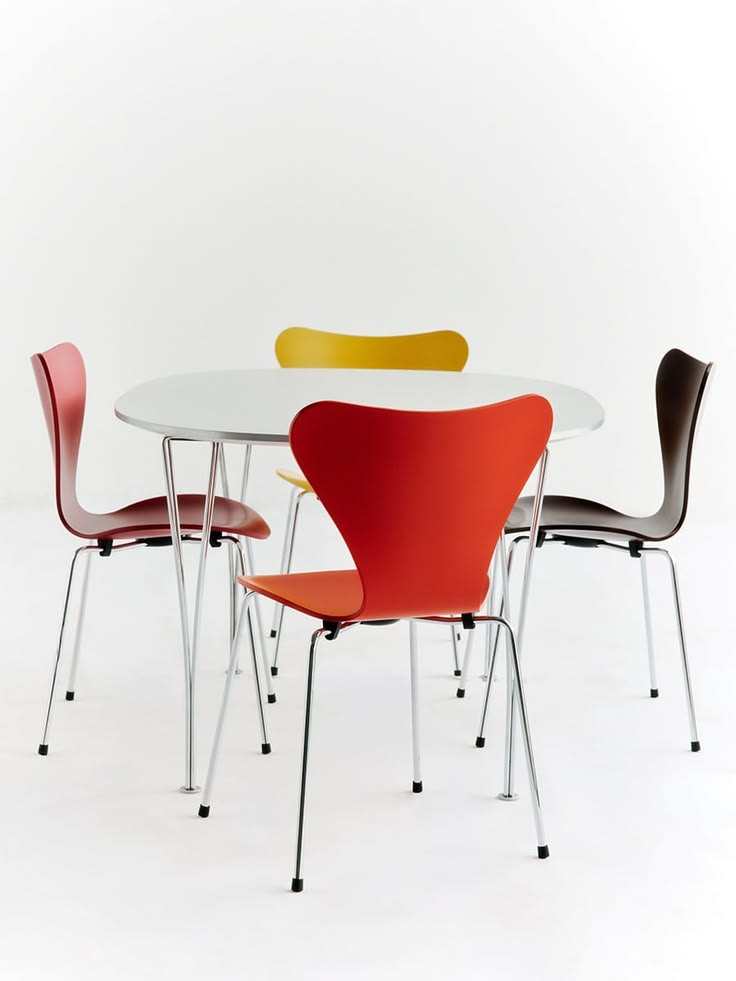
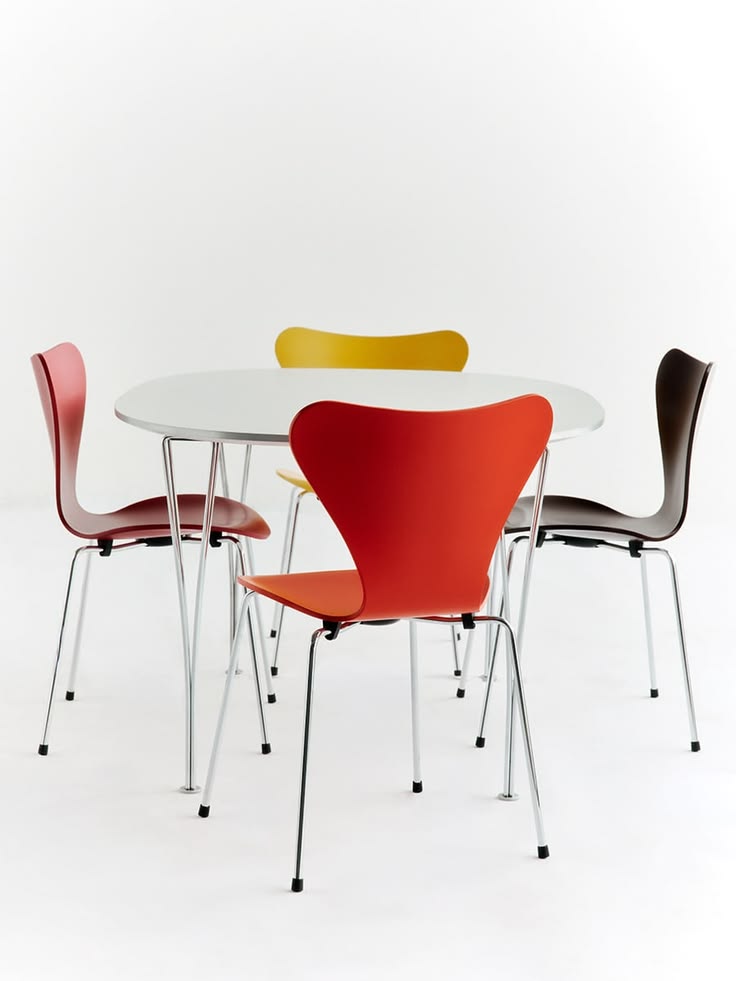
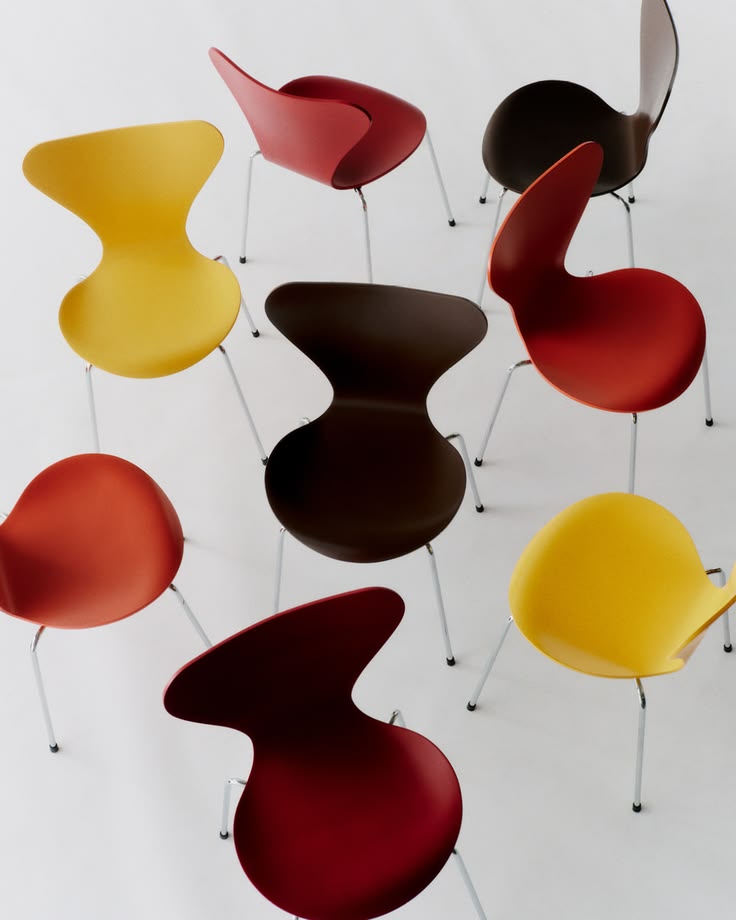
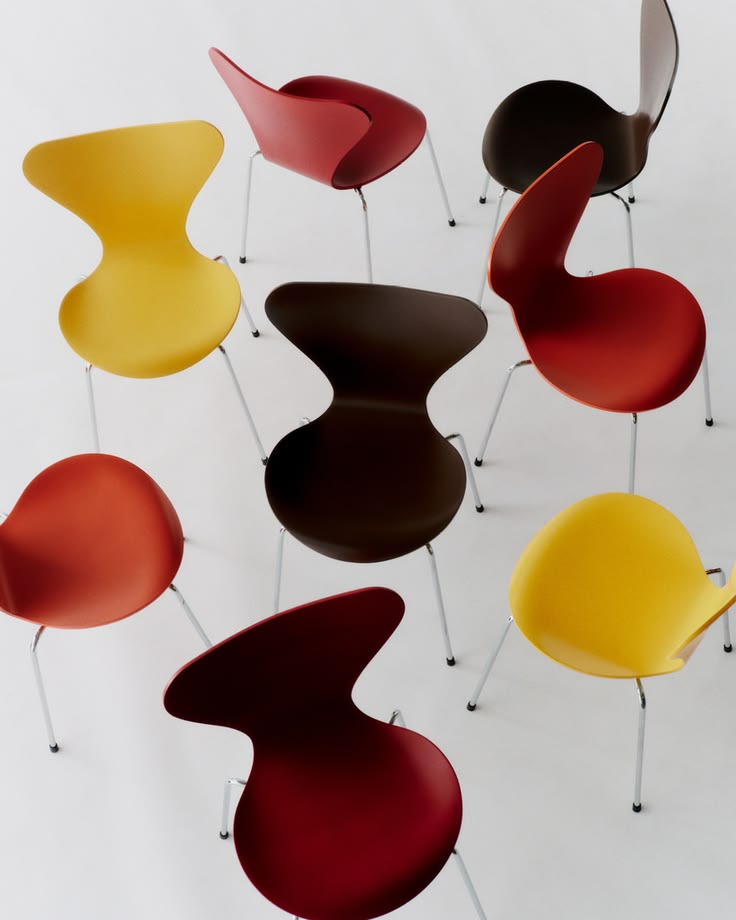
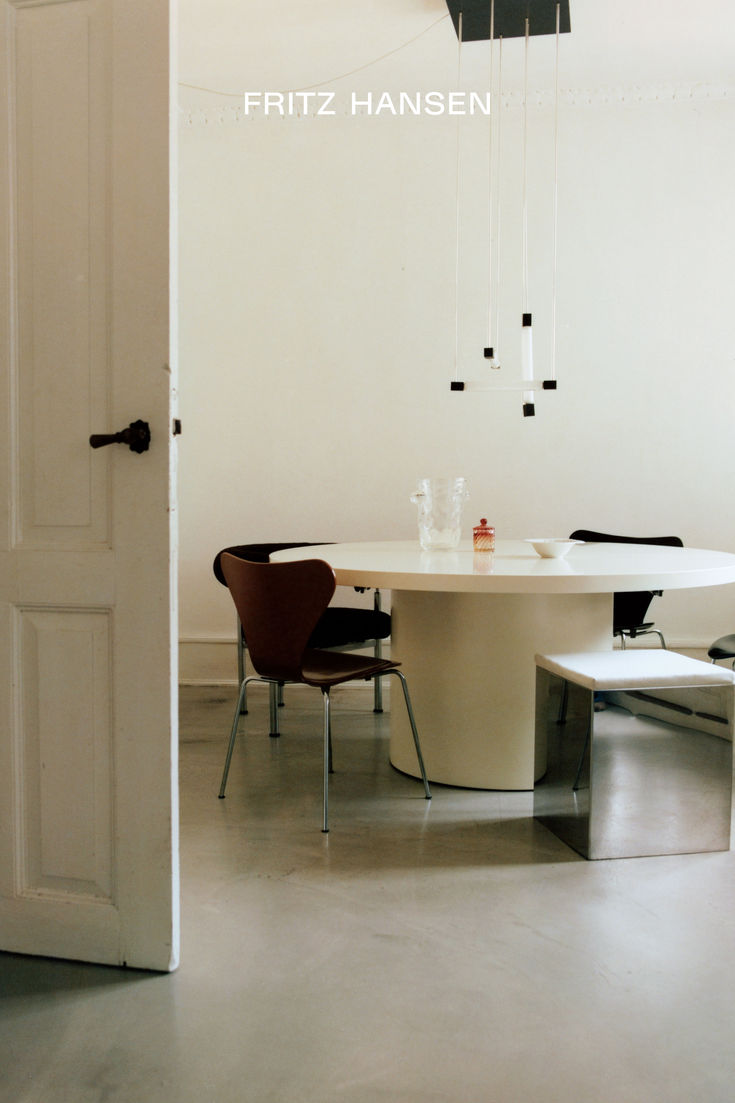
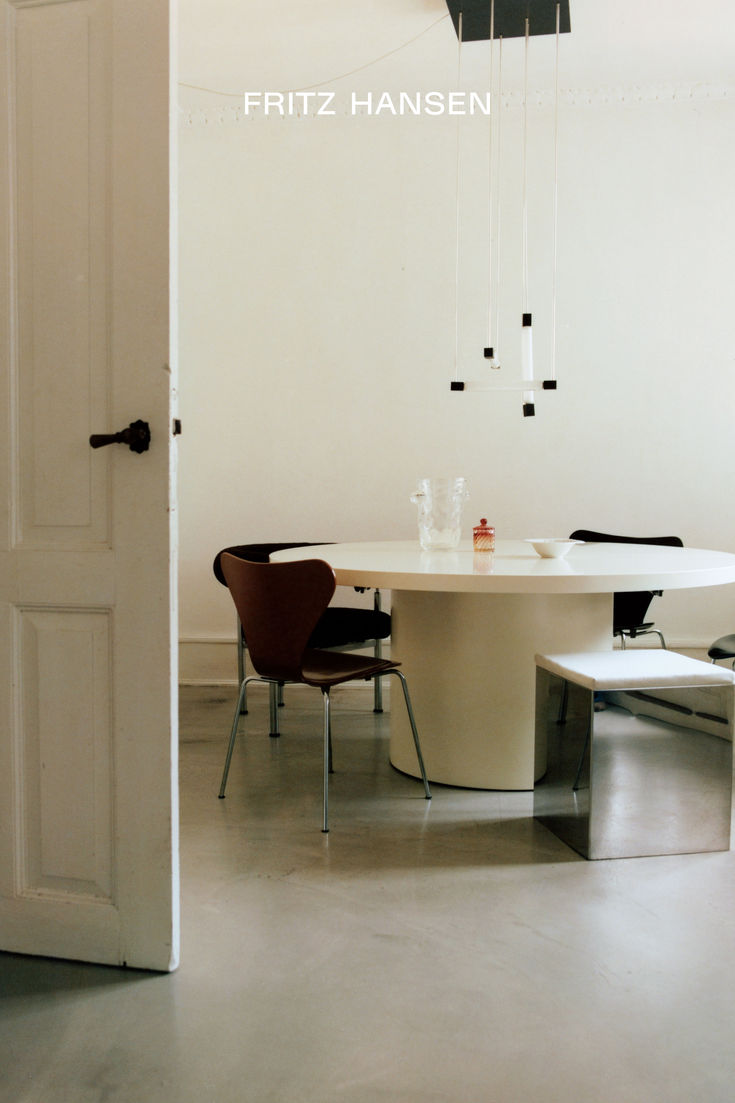
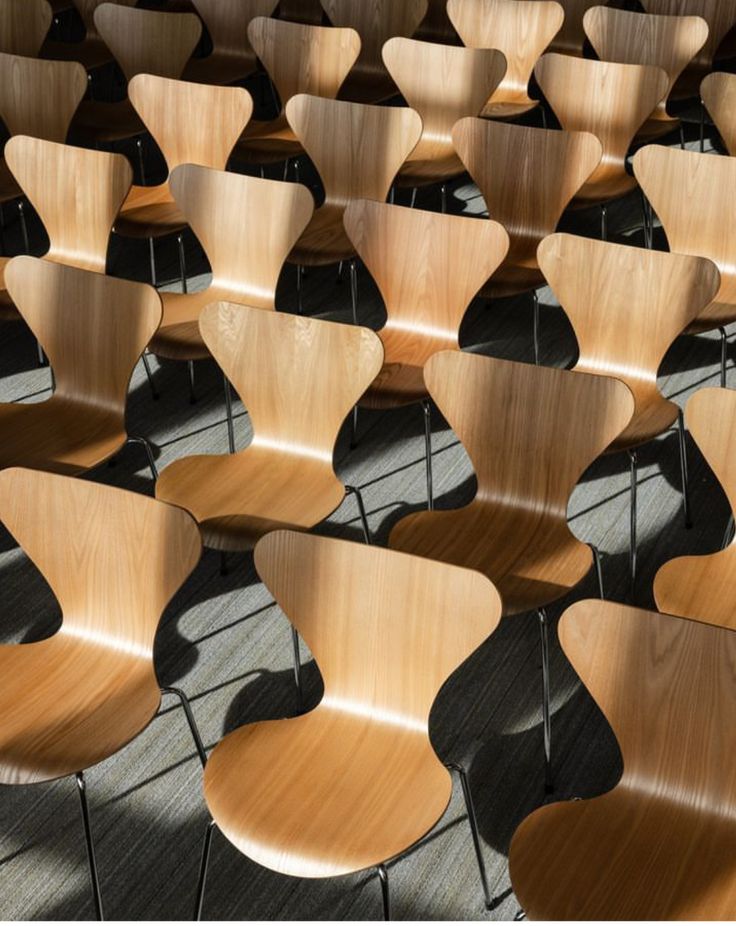
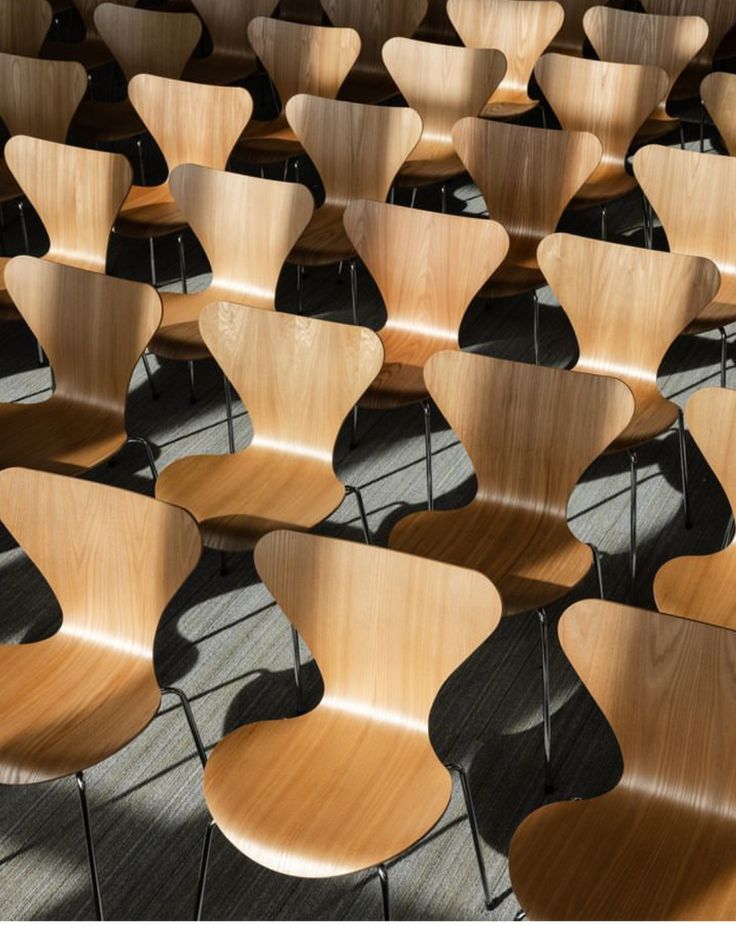
1 MIN · 5 OBJECTS IDENTIFIEDDenmark's most copied chair is also one of the easiest to authenticate, provided you turn it over. Arne Jacobsen drew the Series 7 in 1955 for Fritz Hansen; since then, its wasp waist has populated canteens, restaurants and dining rooms the world over.
What Fritz Hansen makes
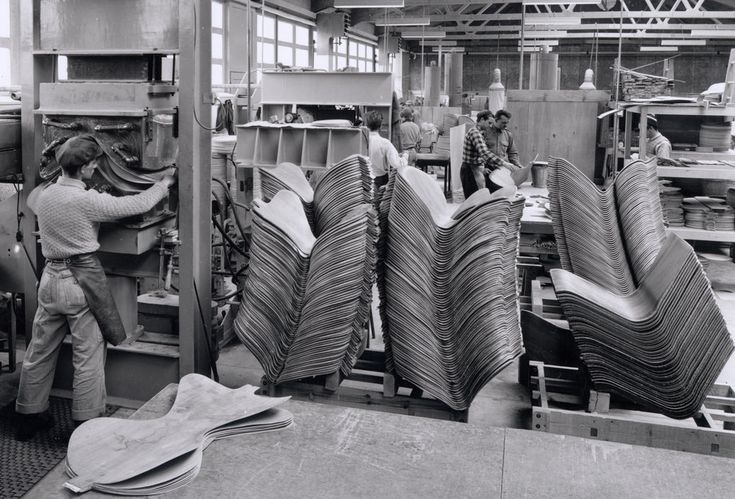
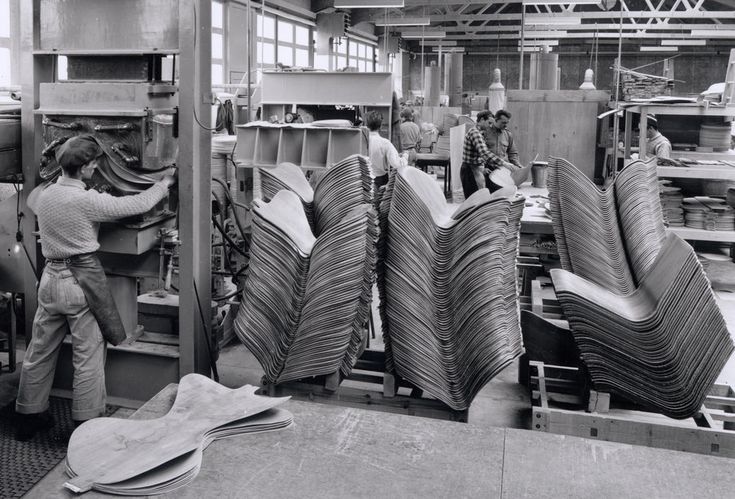
Fritz Hansen remains the only legitimate maker of the Series 7, reference 3107, available in wood veneer, lacquer and an upholstered version. The shell is a pressure-moulded plywood of nine layers, supple against the back, rigid enough to last. The four-legged base in chromed steel tube screws to a plate beneath the seat, not into the wood.
The details that give the copy away
Turn the chair over: the edition bears the Fritz Hansen logo beneath the seat, with Jacobsen's name and, on recent production, the year of manufacture. The copy shows itself in a thicker, stiffer shell, in poorly finished veneer edges, in visible screws and in a dull chrome that soon pits.
What it costs
New, a lacquered Series 7 sits between €500 and €800, more in precious veneer. A copy sells for between €60 and €150. In vintage, a 3107 from the 1970s to 1990s, signed, goes for between €150 and €400 apiece, less by the set of six. The verdict: vintage wins hands down, provided you inspect the edges of the shell, where the veneer splits with age.
Spotted a wasp-waisted chair in a café? Scan it on Beyit: model, maker, vintage value and copies.
One photo, every piece identified.
Your room, a shop window, an inspiration screenshot: send the photo, we find the pieces and their alternatives at every price.
On iPhone, the app does the same from your camera.
The pieces, at your budget.
Every piece mentioned, with its alternatives — from vintage to dupe.


Gallery
9 images