
Solid oak or veneer: the ten-second test
The edge, the grain, the weight: telling solid wood from veneer — and knowing when veneer is actually the right choice.
1 MIN · 3 September 2026“Solid oak” is one of the most abused phrases in furniture. The truth of a piece can be read in ten seconds, in three precise places — and the verdict isn't always the one you expect.
The edge test
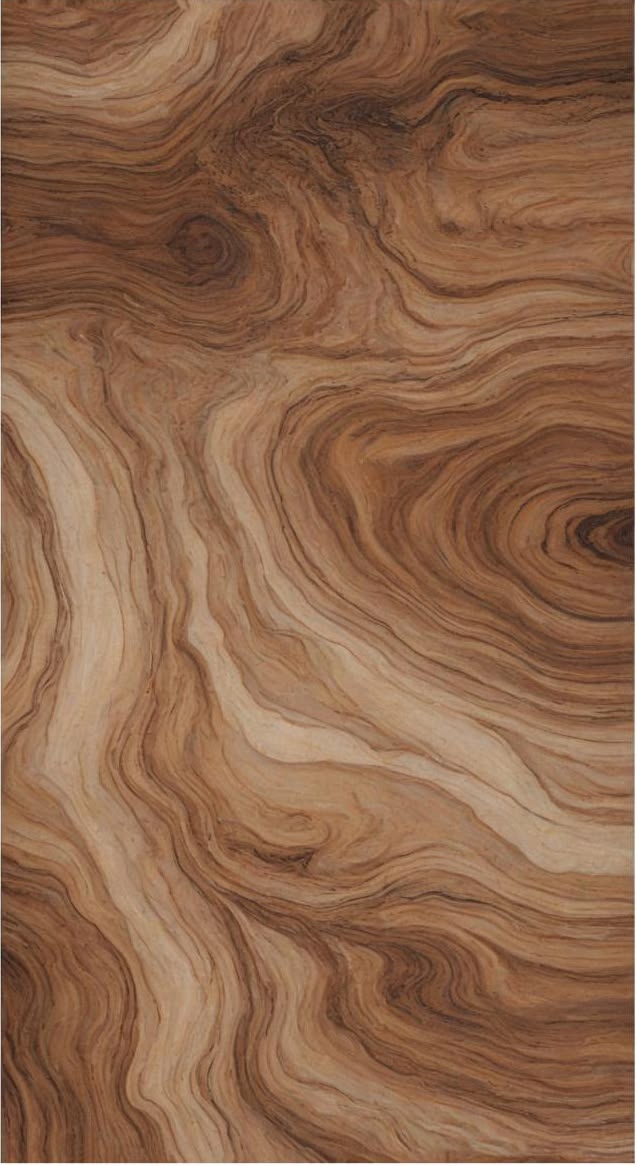
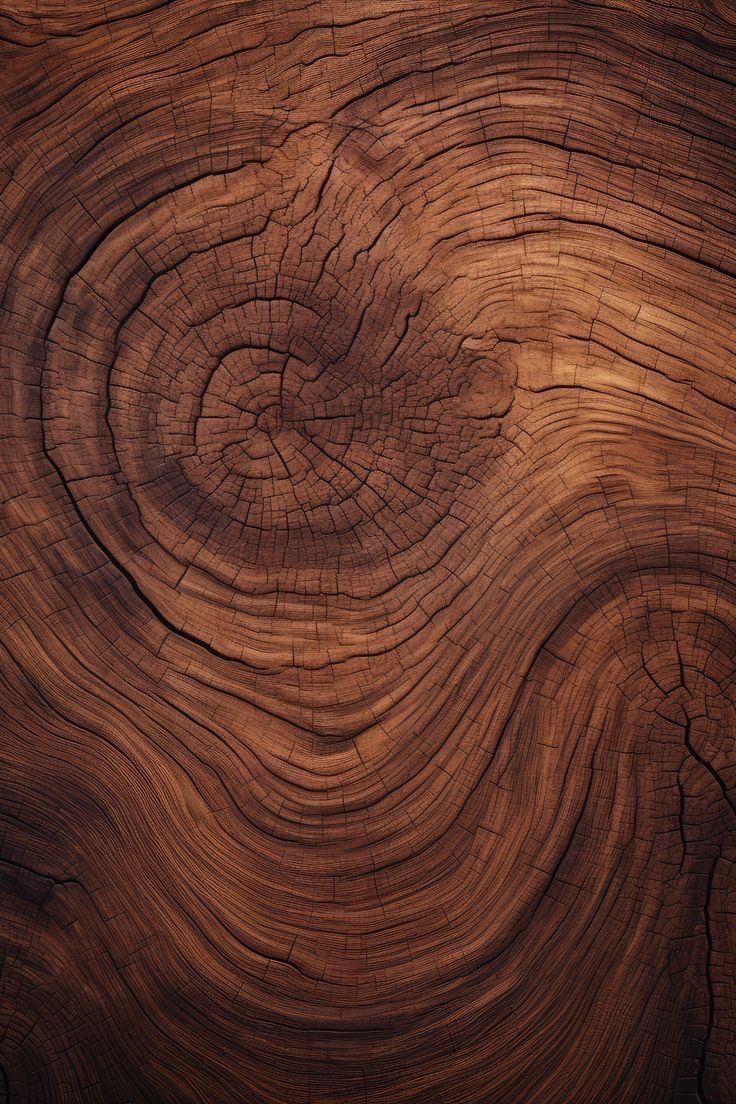
Look at the edge of a top: on solid wood, the grain on the surface turns and continues around the edge, as it would in a log. On veneer, the pattern stops dead at the corner — and the edge reveals either an applied strip or sandwiched layers. Worn corners are the most telling of all: chipping veneer exposes the panel beneath.
The supporting clues
The pattern: two drawer fronts with rigorously identical grain betray a rotary-cut veneer. The weight: solid wood is dense, but beware — old chipboard is heavy too. The insides: drawer bottoms, cabinet backs and the undersides of tops are rarely dressed up.
When veneer is the right choice
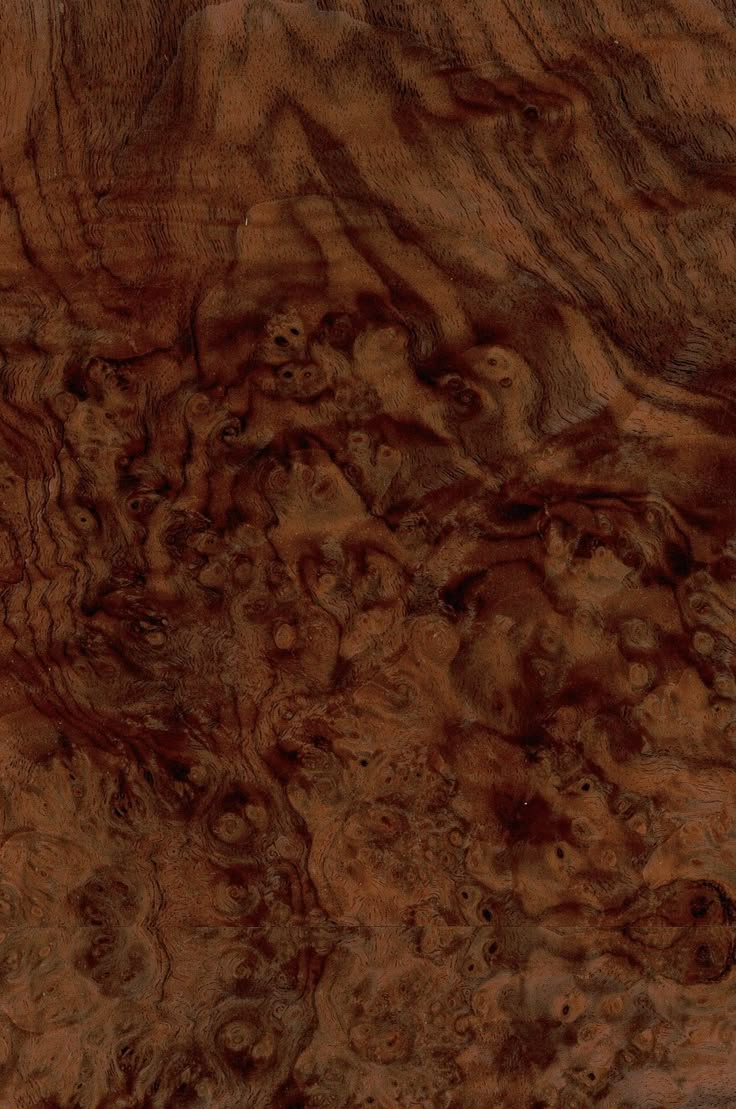
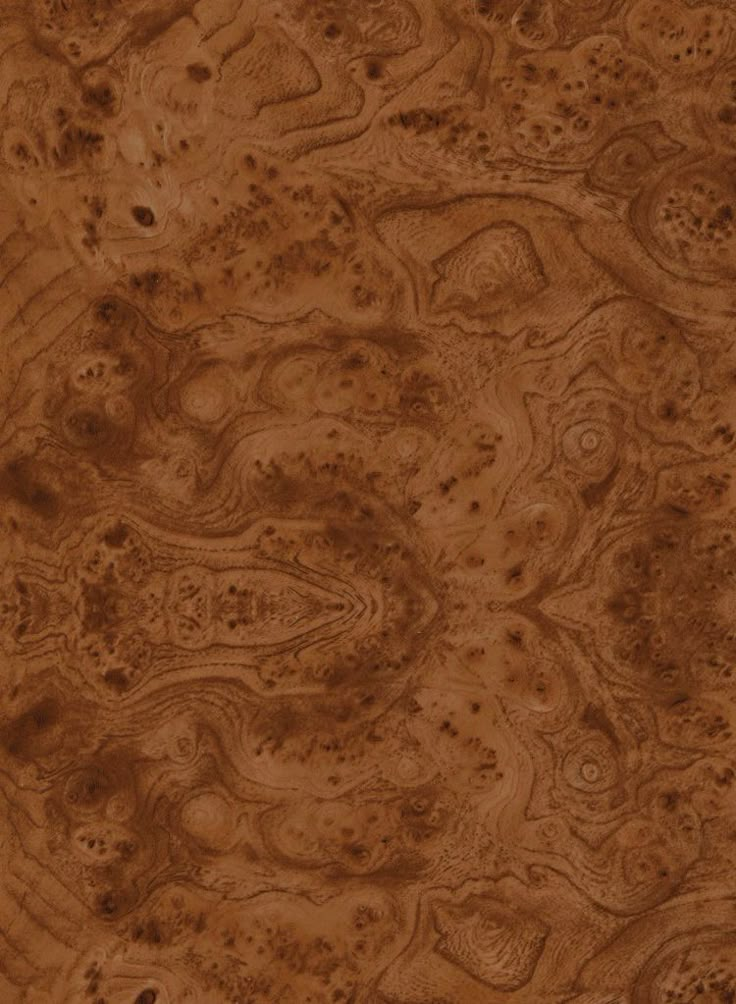
The scandal isn't veneer — it's the lie. The finest Scandinavian and Italian pieces of the 1950s and 60s are veneered: rosewood, teak or walnut sawn into leaves over a stable core, a cabinetmaker's craft that allows patterns impossible in solid wood. A fine period veneer beats a mediocre solid — it only fears repeated sanding.
Spotted a wooden piece? Scan it on Beyit: period, make, value.
One photo, every piece identified.
Your room, a shop window, an inspiration screenshot: send the photo, we find the pieces and their alternatives at every price.
On iPhone, the app does the same from your camera.
Gallery
5 images