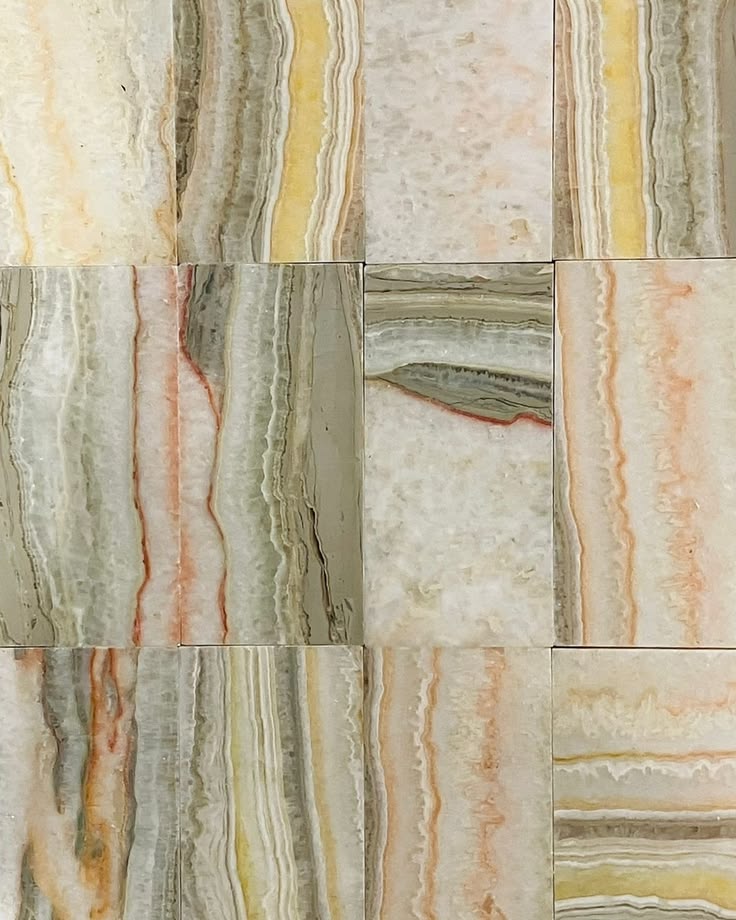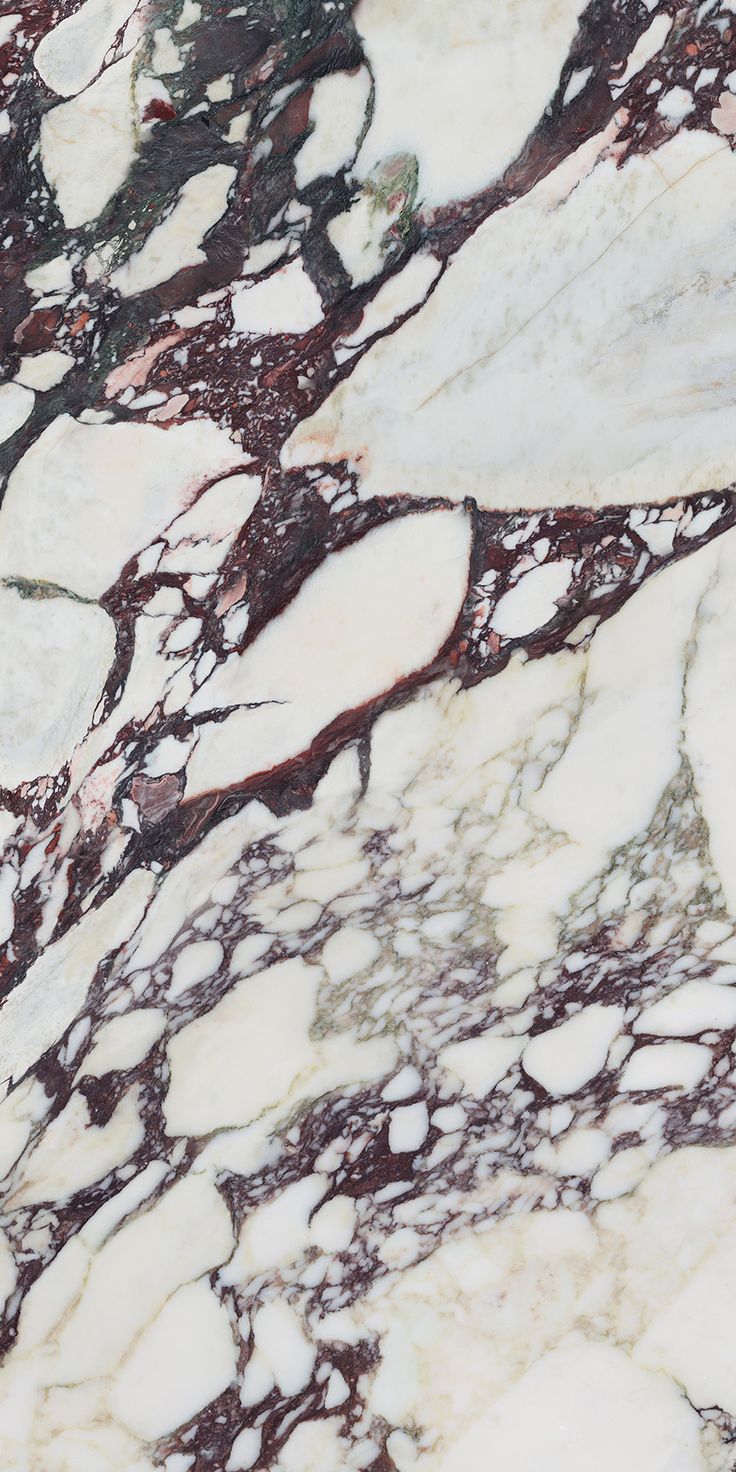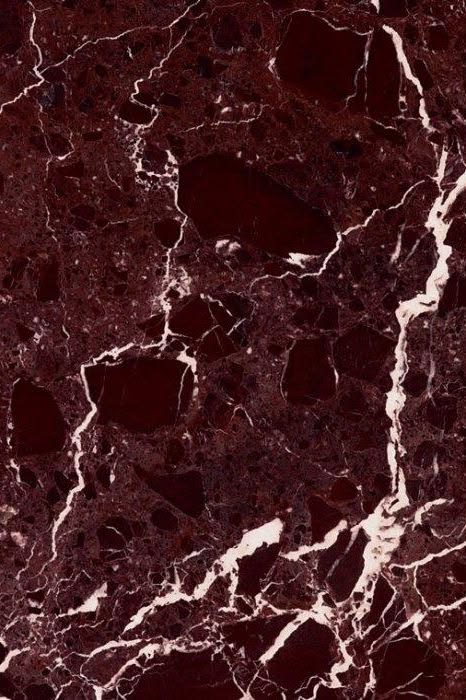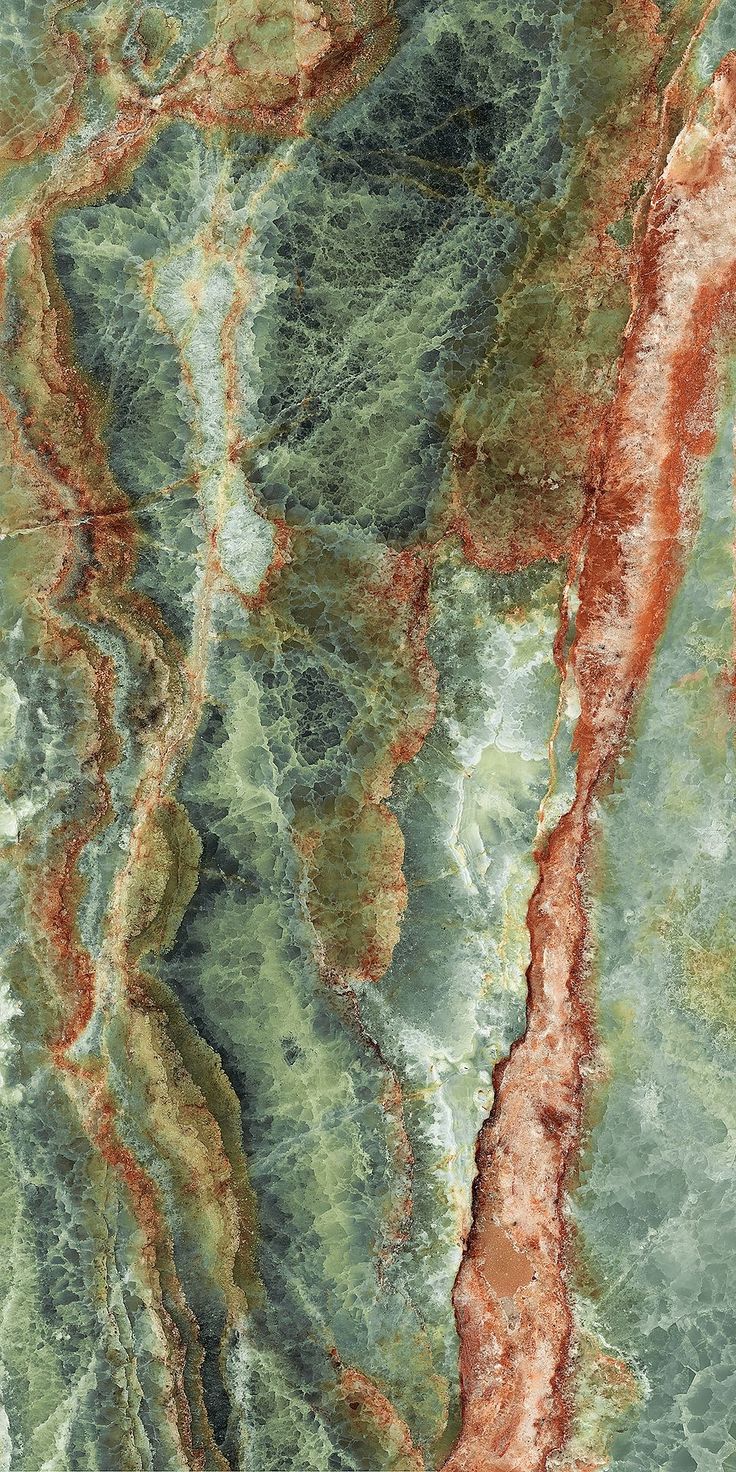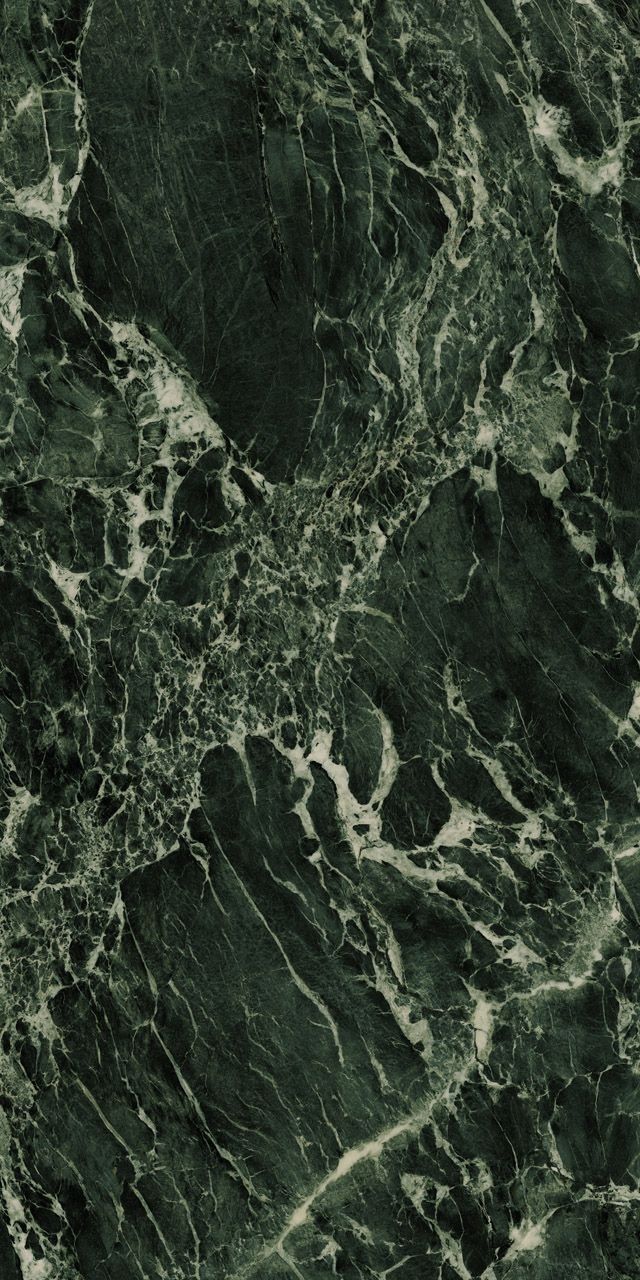

Real marble or composite: veins, cold, weight — the three tests
Half of all "marble tops" aren't. Through-running veins, cold to the touch, weight: three simple checks before you buy.
1 MIN · 5 OBJECTS IDENTIFIEDThe word "marble" has become an elastic selling point: real marble, marble powder, composite, marble-effect ceramic. Three tests, done in the shop or at a flea market, put things back in order.
The vein test
On real marble, the veins run all the way through: look at the edge of the top — the surface pattern continues into the thickness, and never exactly the same from one spot to another. A printed ceramic repeats its motif; a composite has a uniform grain, with no through-running veining.
The cold test
Rest your palm for ten seconds: stone stays cold, drawing the warmth from your hand slowly. Resins and laminates warm up almost at once. It is the most reliable test in the shop.
The weight test
A marble top 2 cm thick weighs about 55 kg per square metre — a side table takes two hands to lift, a coffee table won't budge at a flick. Lightness gives the composite away.
So what's the right choice?
Real marble lives: it takes on a patina, it stains (lemon, wine), it can be sanded back. Composite forgives everything but has no resale value. For a period piece — a Knoll side table, a 70s coffee table — real stone is half the value.
Spotted a top somewhere? Scan the piece on Beyit: edition, material, market value.
One photo, every piece identified.
Your room, a shop window, an inspiration screenshot: send the photo, we find the pieces and their alternatives at every price.
On iPhone, the app does the same from your camera.
The pieces, at your budget.
Every piece mentioned, with its alternatives — from vintage to dupe.


Gallery
4 images