
Toile de Jouy: From Oberkampf to the Bedrooms of Today
Born in 1760 at Jouy-en-Josas, the printed cotton with its pastoral scenes has crossed the centuries. Its story, its codes, and how to use it without pastiche.
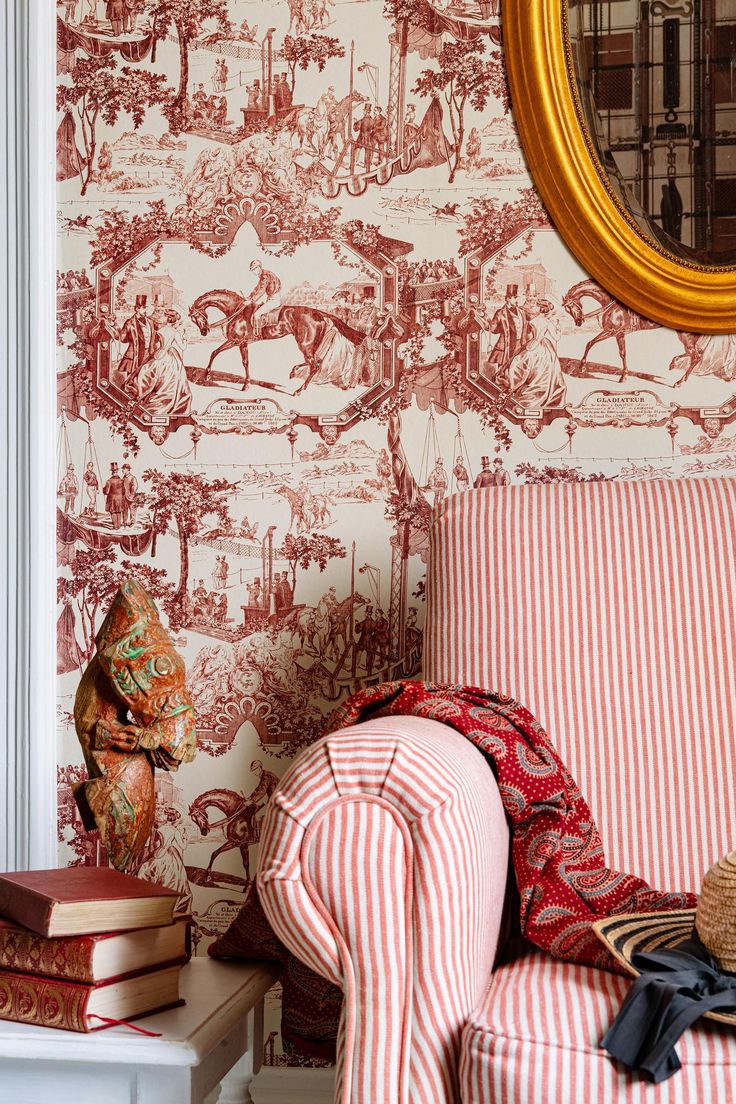
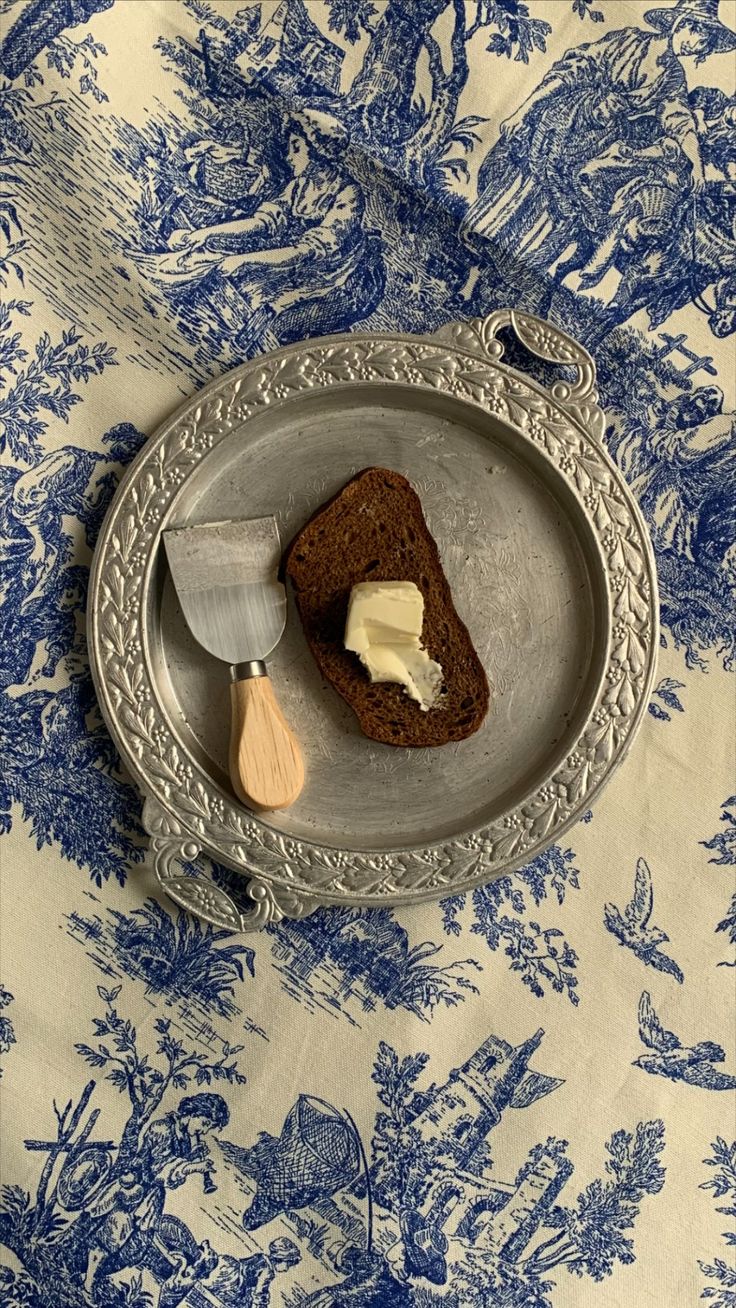
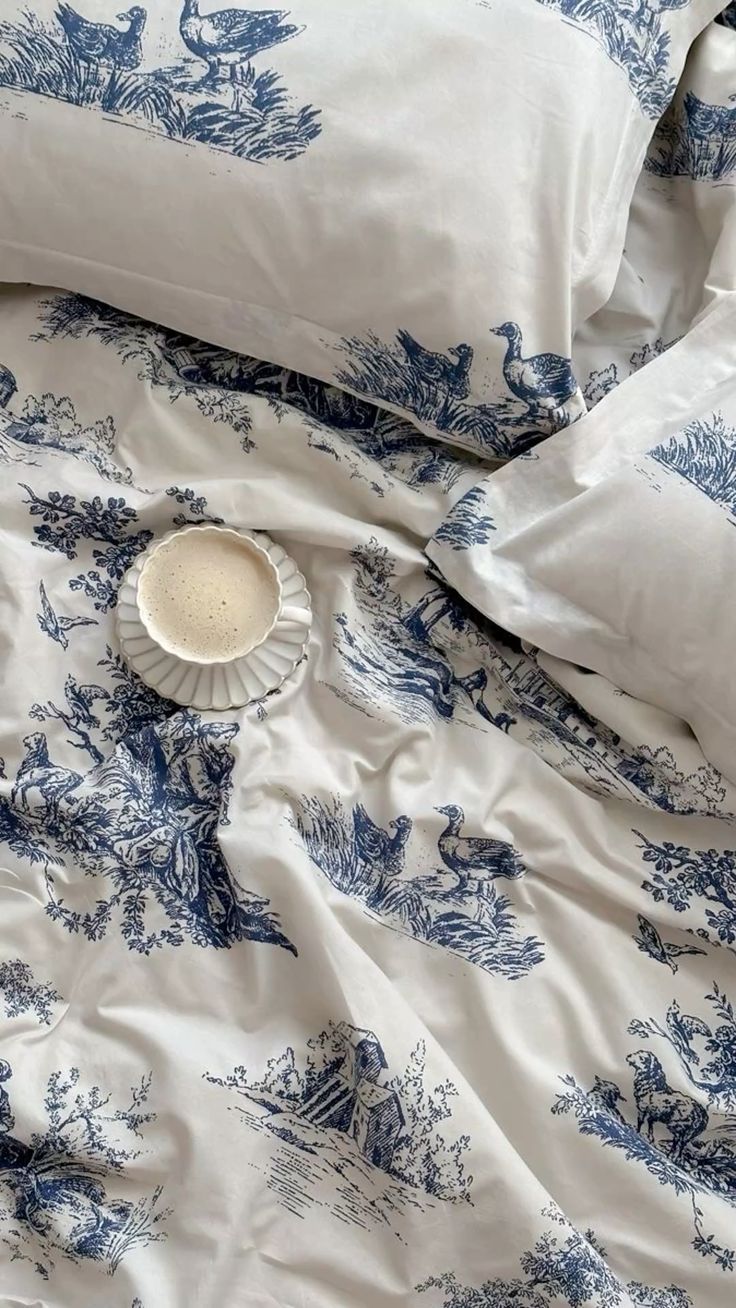
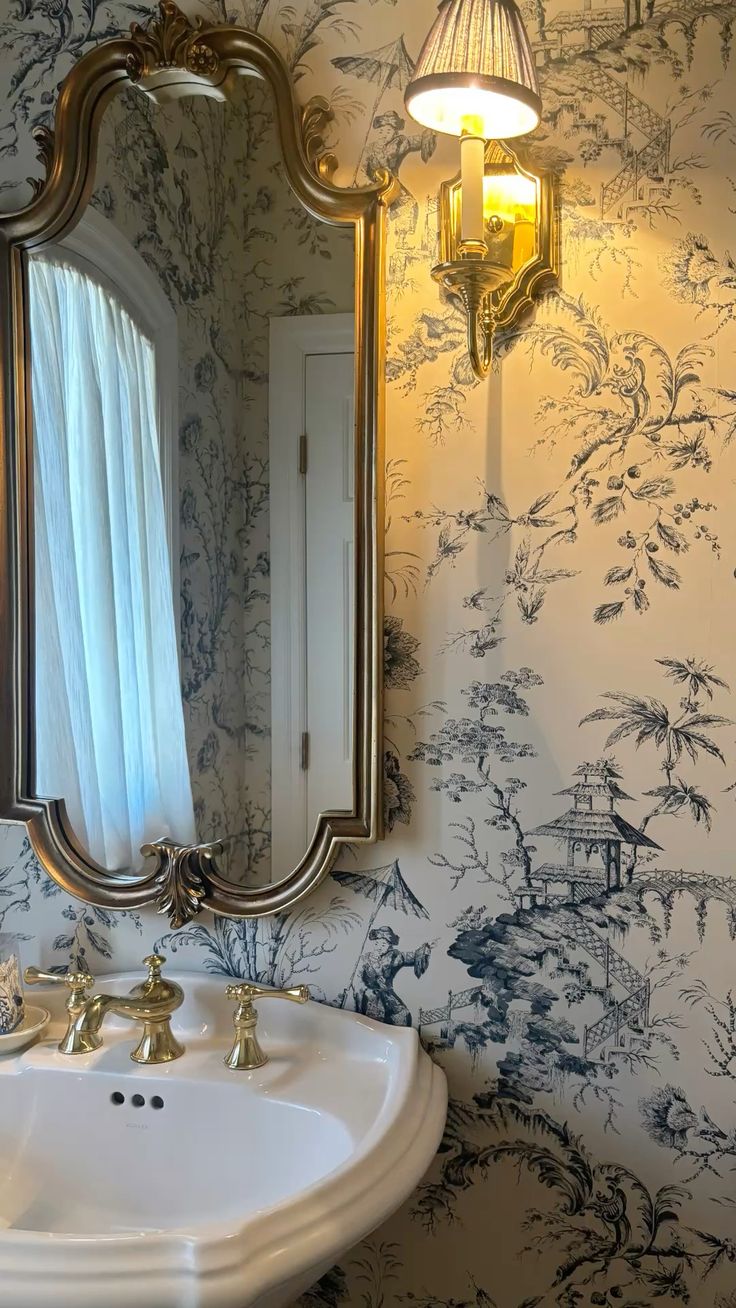
1 MIN · 27 August 2026A red or blue monochrome on an ecru ground, shepherdesses, antique ruins, hot-air balloons: toile de Jouy is one of the few patterns everyone recognises without being able to name it. It is 260 years old, and it is turning up everywhere.
One manufactory, one monopoly
1760: Christophe-Philippe Oberkampf sets up a cotton-printing manufactory at Jouy-en-Josas, near Versailles. His “indiennes” — banned in France a few years earlier to protect the silk of Lyon — become the darling of the court. Pastoral scenes engraved on copper plates, printed in a single colour, define the style: a drawing as fine as an engraving, repeated to infinity.
The codes of the pattern
A true toile de Jouy can be read: figures set in a scene (rustic luncheons, harvests, mythologies), monochrome — madder, blue, sometimes sepia — on a pale ground. The serious reissues come from houses such as Braquenié or Charles Burger; the big retailers offer honest versions by the metre.
Using it today
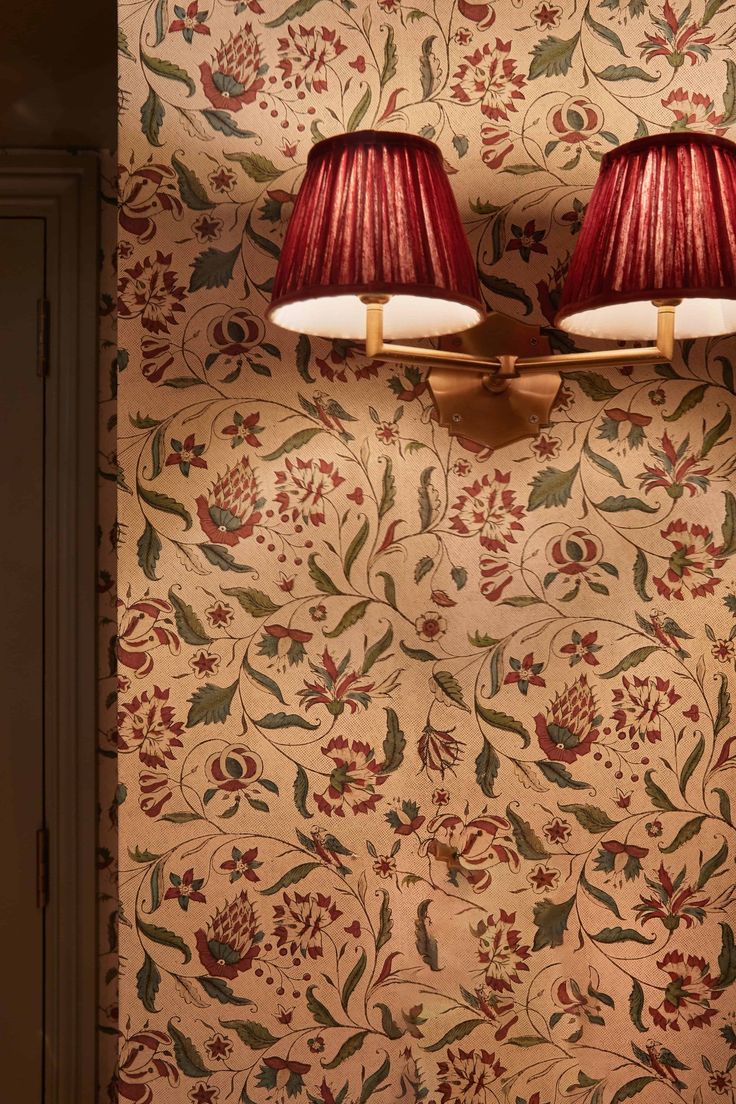
The trap is the full-on guesthouse look. Toile de Jouy works in a massive but single dose: one whole wall, a headboard, an old armchair reupholstered — and everything else kept calm. The other route is subversion: fashion houses have remixed it in black, in bold colours, in contemporary scenes. A cushion or a lampshade is then enough to make the nod.
Spotted a fabric in an interior? Scan the room on Beyit to trace the spirit.
One photo, every piece identified.
Your room, a shop window, an inspiration screenshot: send the photo, we find the pieces and their alternatives at every price.
On iPhone, the app does the same from your camera.
Gallery
4 images