
Ateliers J&J: tubular steel, and an exhibition called Botch
Founded in Brussels, recently settled in the south of France, the studio takes over two addresses on rue Chapon for the third edition of Botch. Tubular steel furniture, eleven guest makers, and just five days to see it.
4 MIN · 2 OBJECTS IDENTIFIEDAteliers J&J work a material thought to have been exhausted since the Bauhaus: tubular steel. For Paris Design Week they occupy two addresses on rue Chapon with the third edition of Botch, their group show — the first since the workshop left Brussels for the south of France.
Tubular steel, again
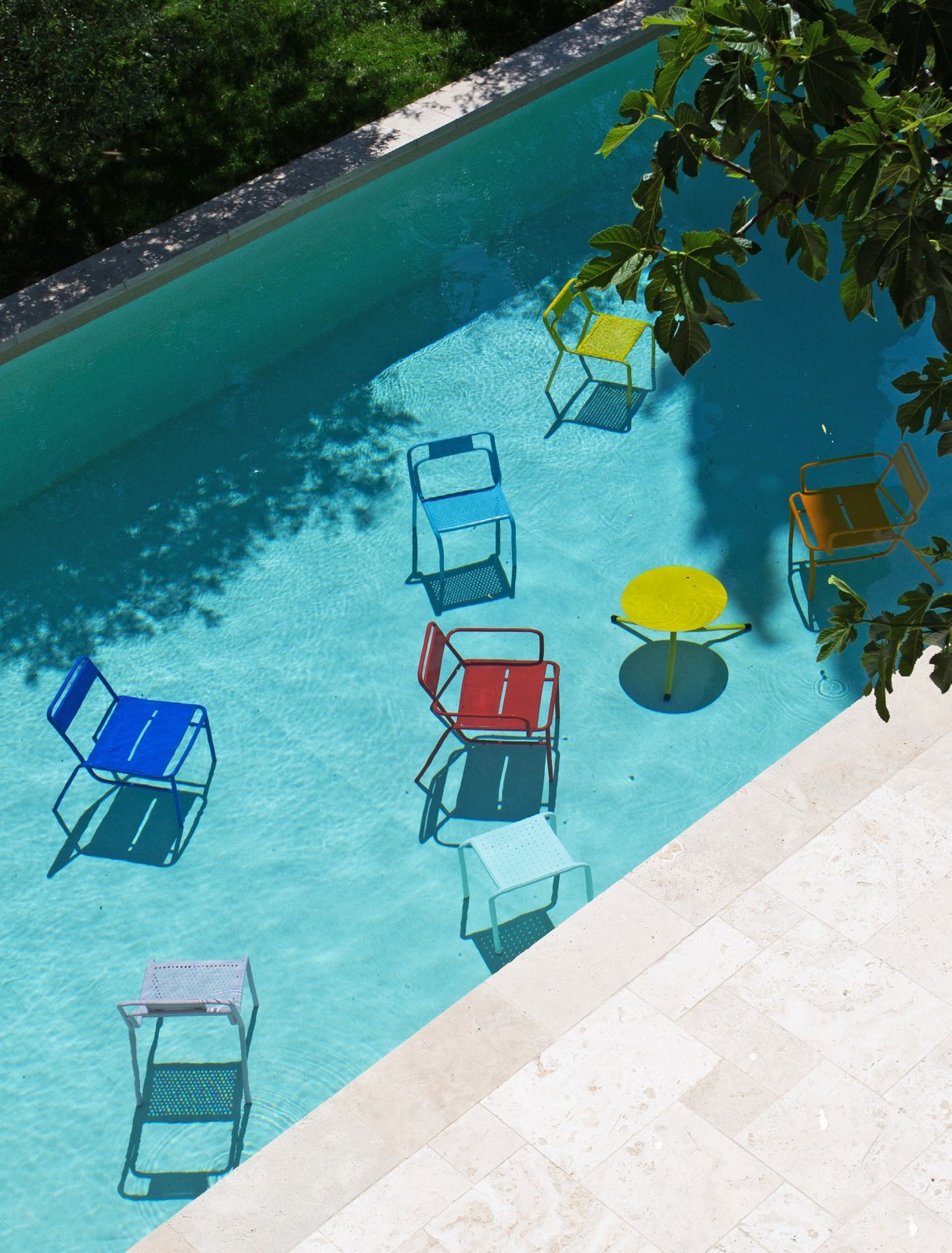
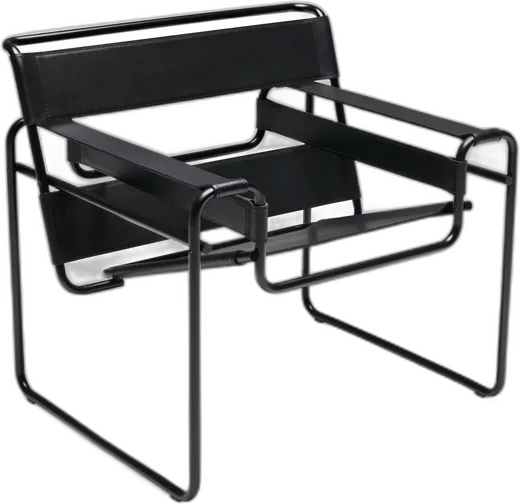
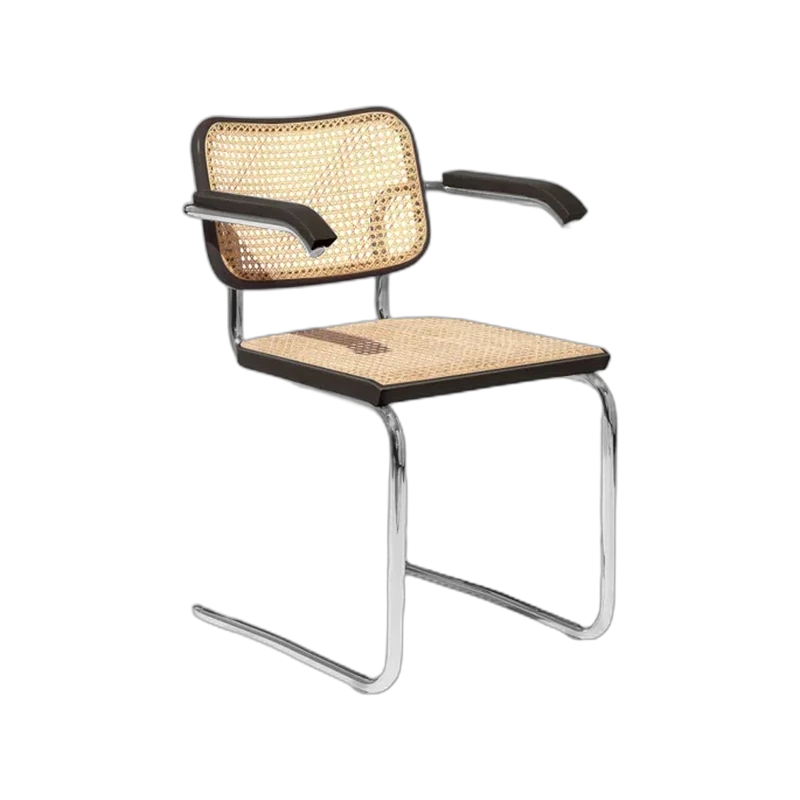
Marcel Breuer bent the first tube in 1925; Mart Stam drew the cantilever chair from it; Mies van der Rohe turned it into a grammar. A century later, the material has lost nothing: it is cheap, repairable, entirely recyclable, and it allows slender sections no wood can match. What contemporary workshops make of it today has little left to do with the modernist citation — it is a vocabulary of production, not an homage.
The tube imposes its own discipline. You do not carve it, you bend it; every curve has a minimum radius, every join is a weld that will need reworking. A workshop that works this material cannot draw first and fabricate afterwards: the form is negotiated with the machine. That is what makes the work of Ateliers J&J legible even to someone who knows nothing of ironwork — you can see, in the pieces, the decisions taken in front of the bending machine.
Botch, third
Botch is the appointment the studio invented for itself, and which has become its signature: its own collections are set in dialogue with pieces by guest makers, and the whole reads like an open workshop rather than a group show. Here the studio asserts a vision of design grounded in the dialogue between craft, production and contemporary creation — three words that, in most press kits, cover nothing, and that here name three different people around a single piece.
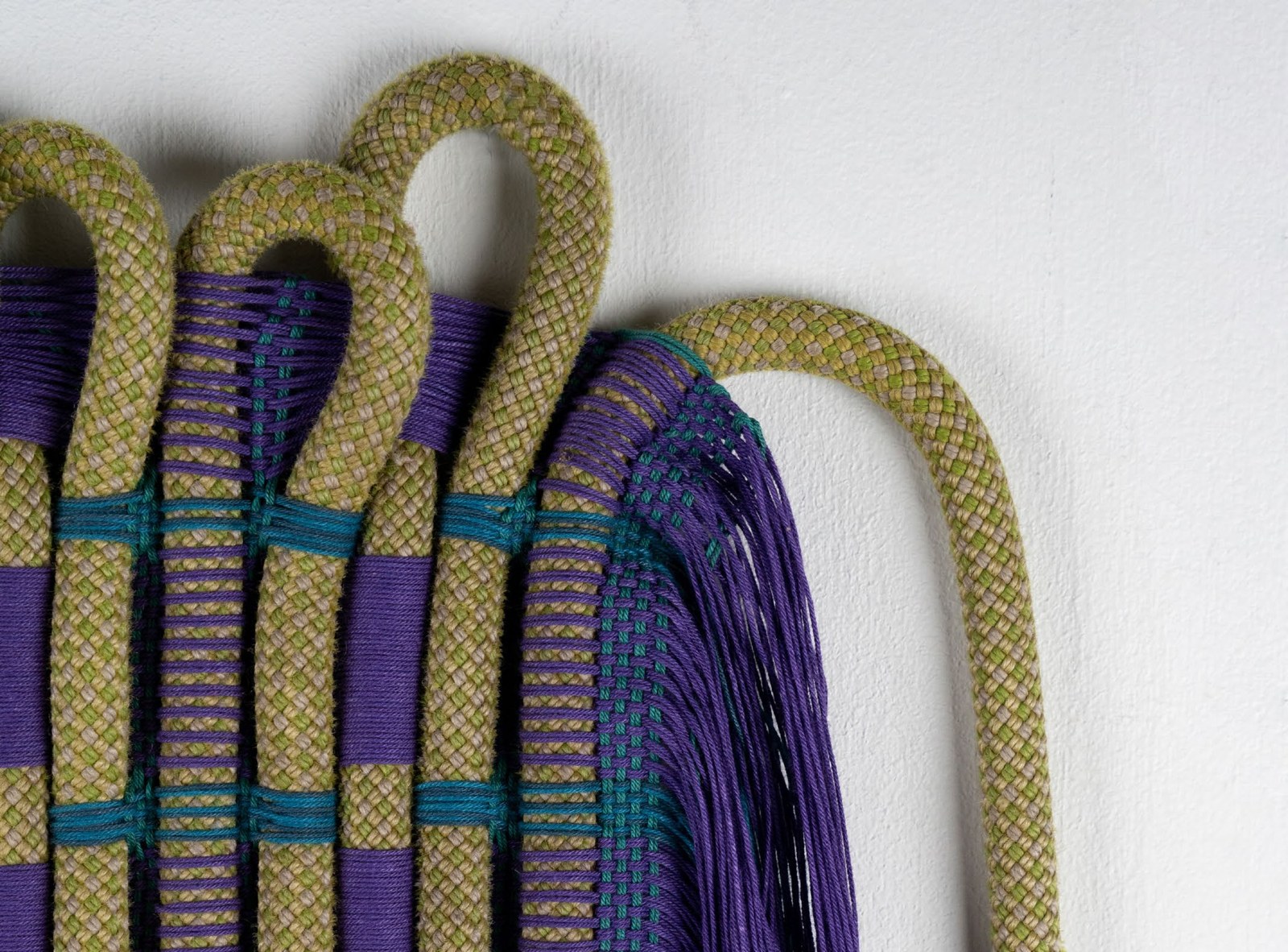
This edition invites eleven makers: Théo Ouaki, Maxime Mouroux, Tommy Lhomme, Melissa Marillier, Estelle Bourdet, Delphine Dérénéaz, Mon Colonel & Spit, Guy Meldem, JLBV Studio, Jérôme Meynen and Karla Sutra. Textile and ceramics are to the fore — two families of material tubular steel is not used to keeping company with, and whose encounter with it is precisely the point of the exercise. Each explores their own relationship to material, technique and gesture, echoing the studio's research into the series, the bespoke and craft collaboration.
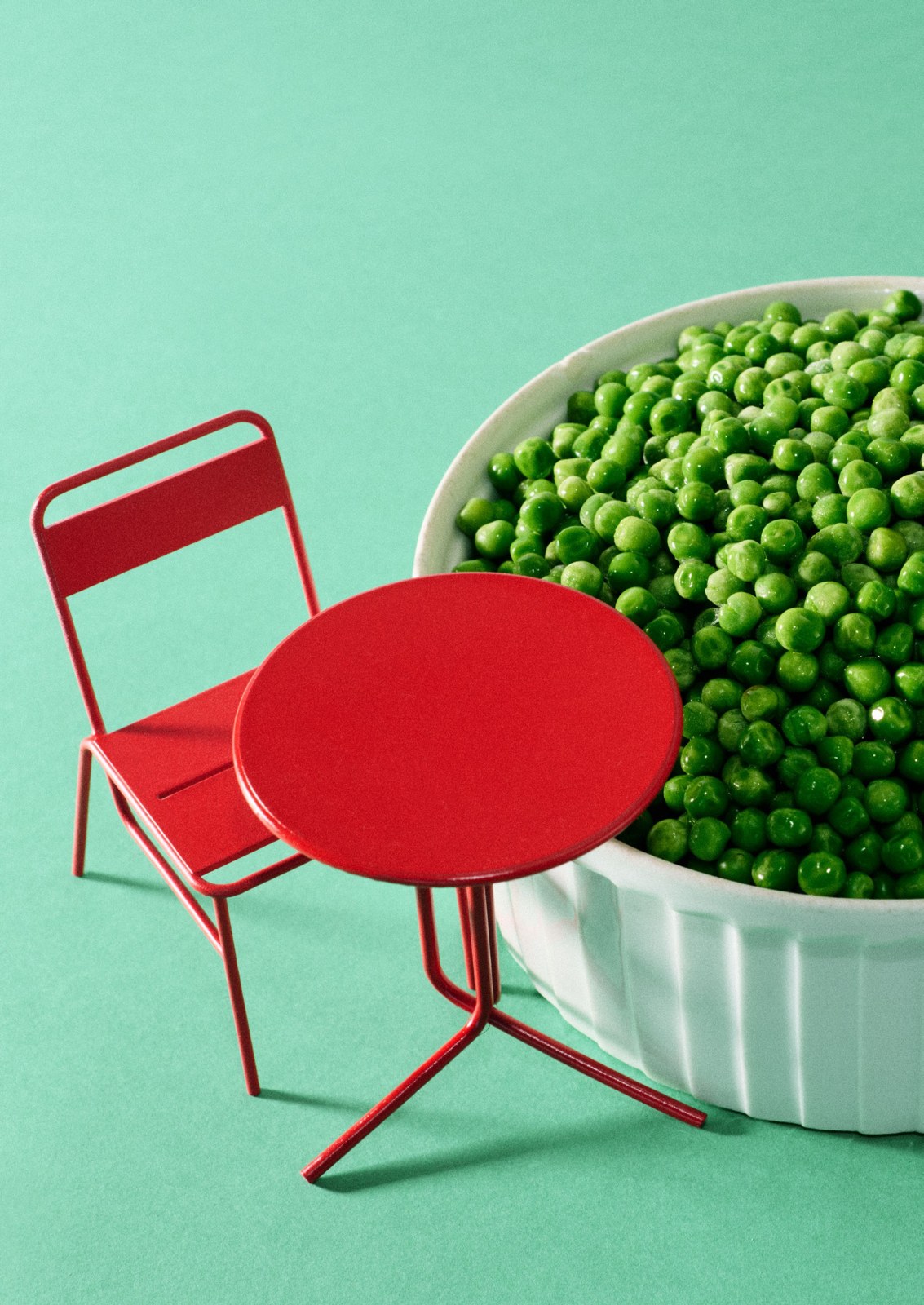
To this is added a new series of photographs by Charlotte Krieger and Camille Lichtenstern: miniatures of the house's emblematic collections, staged in dialogue with the culinary world. A mise en abyme that is not gratuitous — it returns outdoor furniture to the reason it exists, a table where one eats.
Who are Ateliers J&J
Founded in 2012 in Brussels by Jean Angelats, Ateliers J&J are a design and manufacturing workshop specialising in tubular steel furniture. Jean Angelats, a self-taught craftsman, was joined in 2025 by Daphné Keraudren, an architect. The structure was conceived from the outset as artisanal and self-financed, and it brings together two trades rarely found under one roof: ironwork and architecture.
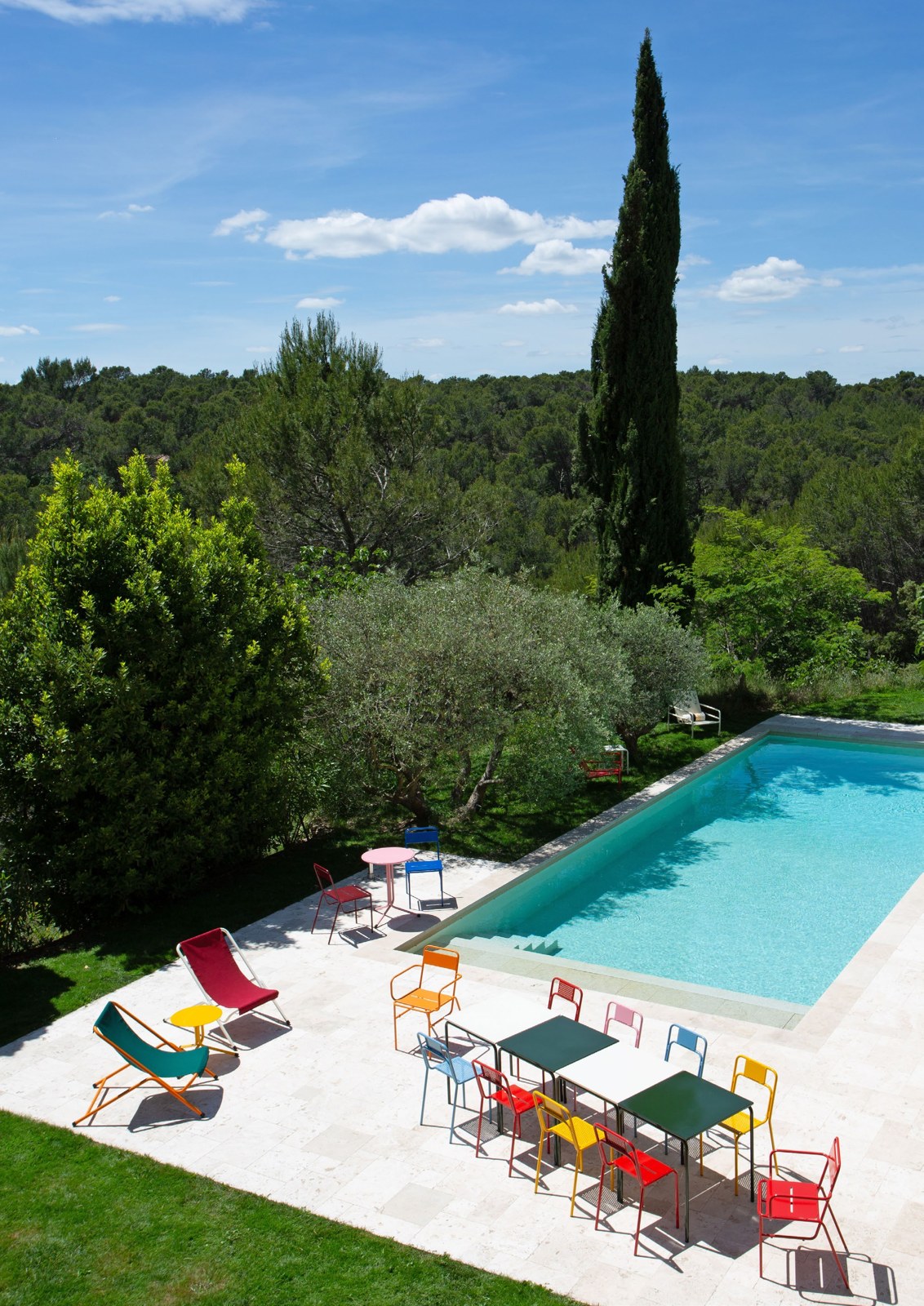
Their production unit centralises every stage of manufacture — which, in a sector where subcontracting is the rule, explains both the deadlines met and the coherence of the finishes. They specialise in outdoor furniture, with series collections that carry their visual identity and bespoke works conceived in close dialogue with the client: bars, restaurants, hotels, museums, terraces and private interiors.
A final point, which changes a great deal for the buyer: they have chosen direct sales. No reseller, no intermediary. It is a model that assumes a long relationship with each client, and it explains why Botch exists — beyond the pieces on show, the exhibition serves to show architects, interior architects and specifiers what the workshop can do. “These collaborations let us show architects everything it is possible to imagine together,” explains Jean Angelats. “We like to invite makers whose sensibility we share, and to set their worlds in dialogue with our own.”
Why this address
Because the upper Marais is the place this week where you see pieces before they have an editor, and this is exactly the kind of object our tool cannot yet identify — for a simple reason: it exists nowhere else. Each year, some of what you see there ends up in a catalogue. Botch closes on the 14th: it is the first half of the OFF to go and check which ones.
Going
Ateliers J&J — Botch no.3 — 17 and 20 rue Chapon, 75003 Paris. From 10 to 14 September 2026, 11am to 8pm. Opening on Thursday 10 September from 4pm to 9pm. Table set by chef Lucille Food Processor on Saturday from 5pm to 7pm. The show opens on the first day of the OFF and closes on the 14th: there is no catching up with it at the weekend.
The Beyit gesture: photograph a piece, scan it — and if it isn't yet in our database, tell us: that's how it gets in.
One photo, every piece identified.
Your room, a shop window, an inspiration screenshot: send the photo, we find the pieces and their alternatives at every price.
On iPhone, the app does the same from your camera.
The pieces, at your budget.
Every piece mentioned, with its alternatives — from vintage to dupe.
Gallery
3 images