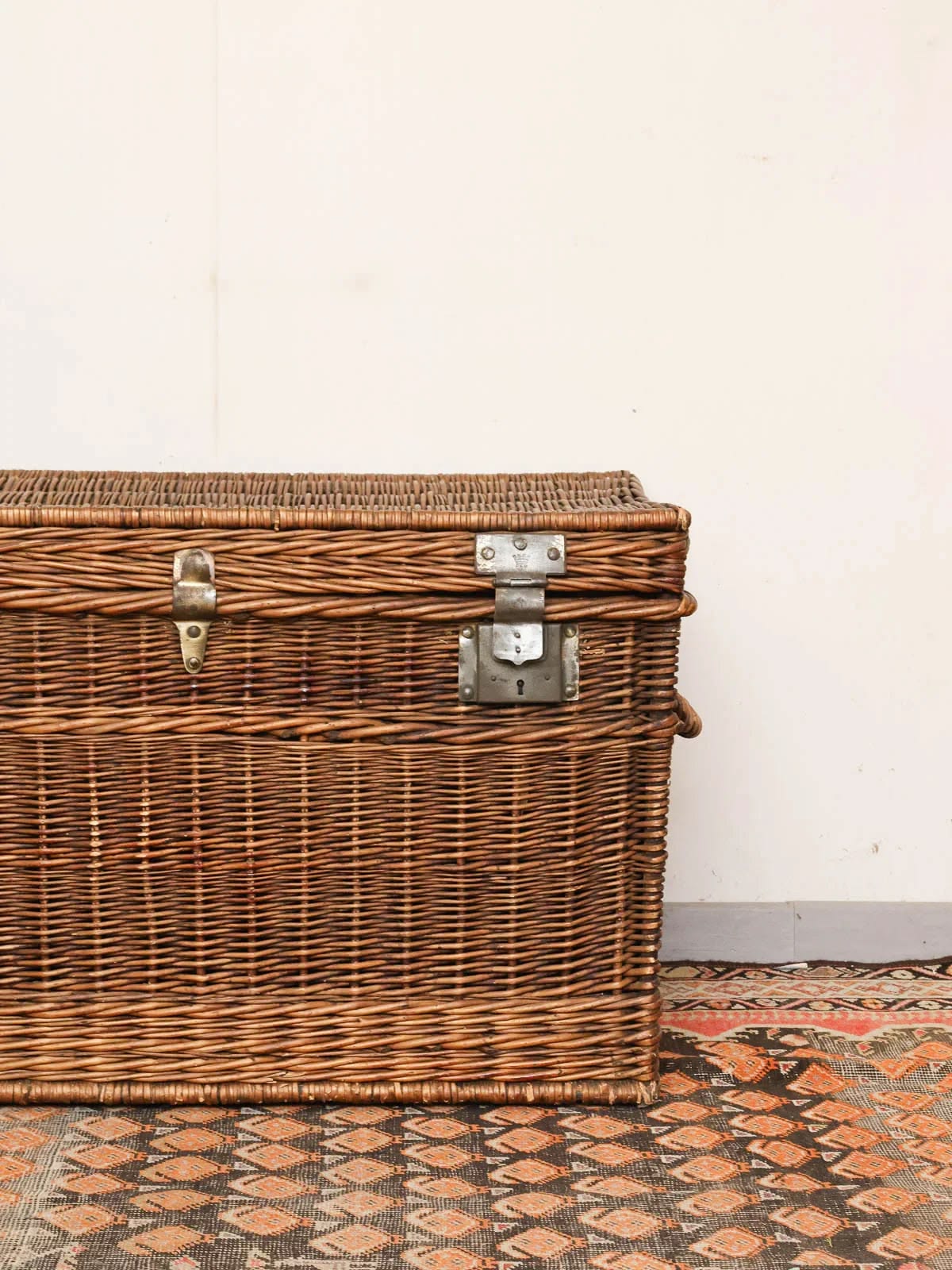

Cane and Rattan: What Lies Behind Two Muddled Words
Cane is a weave, rattan is a plant: two crafts everyone mixes up. How to recognise, care for, and buy them at the right price.
1 MIN · 4 OBJECTS IDENTIFIEDWe say “rattan” for the veranda armchair and “cane” for the bistro chair — and get it wrong every other time. The two words cover different crafts, different eras, and prices that bear no relation to one another.
Two distinct things
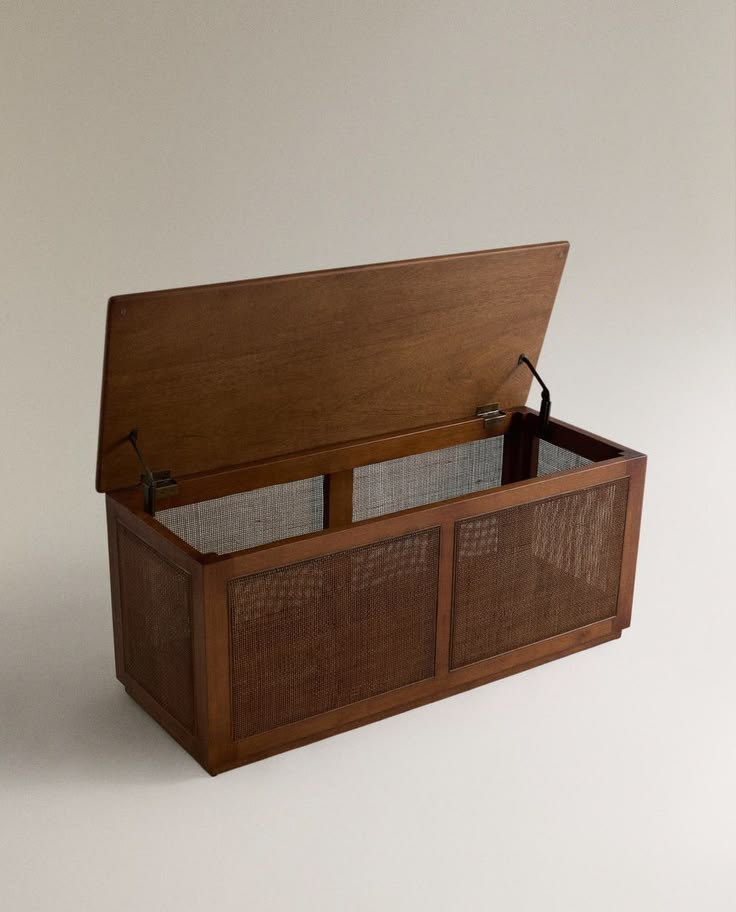
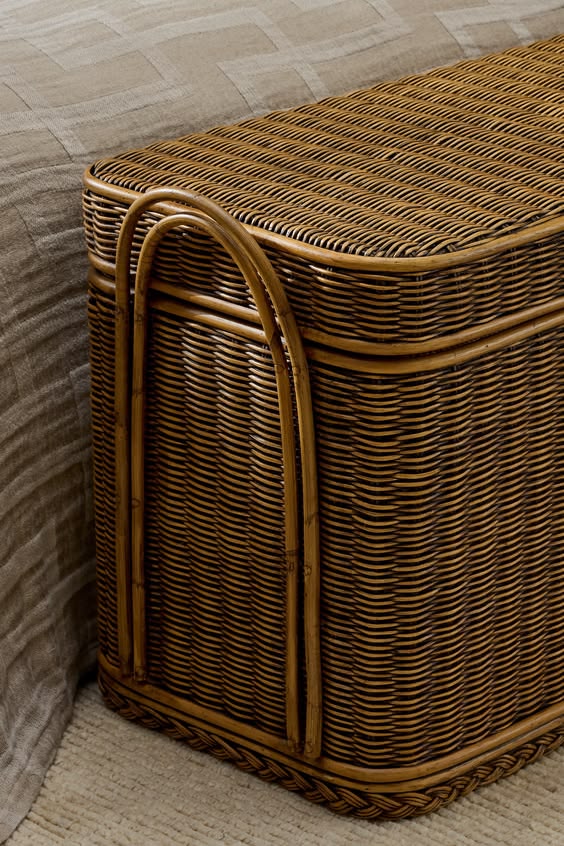
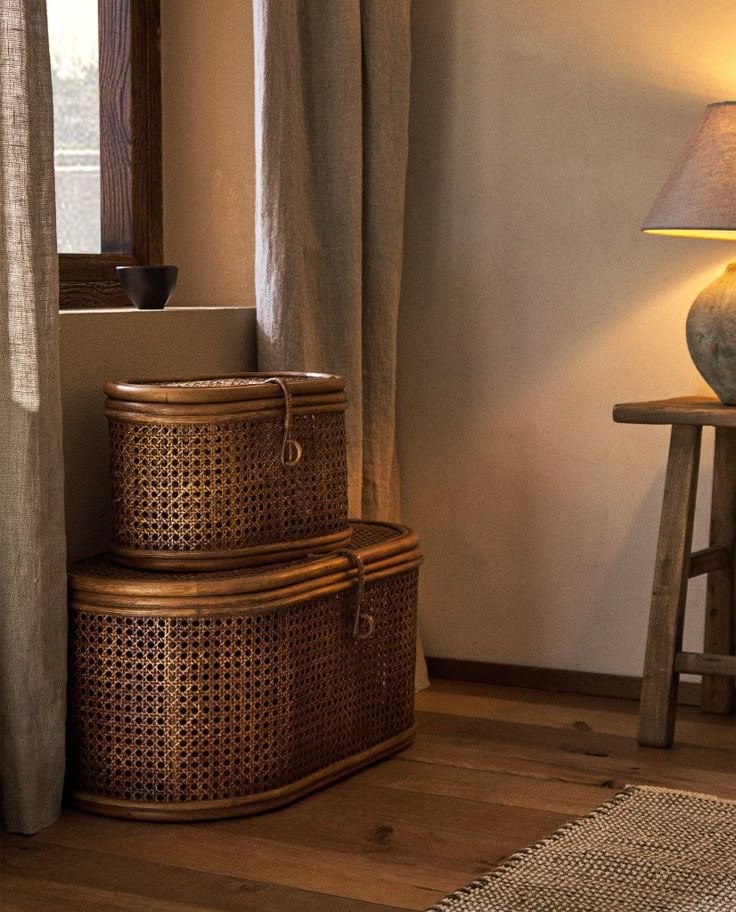
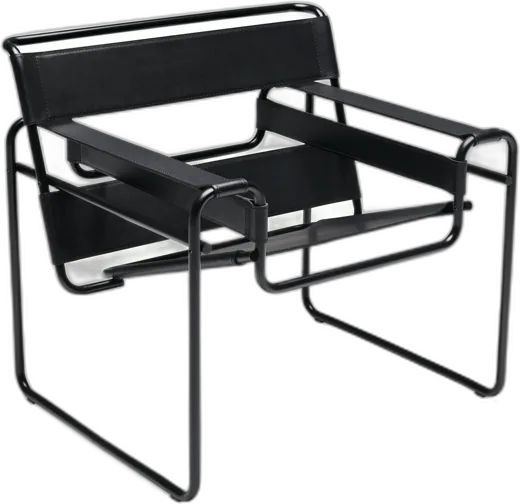
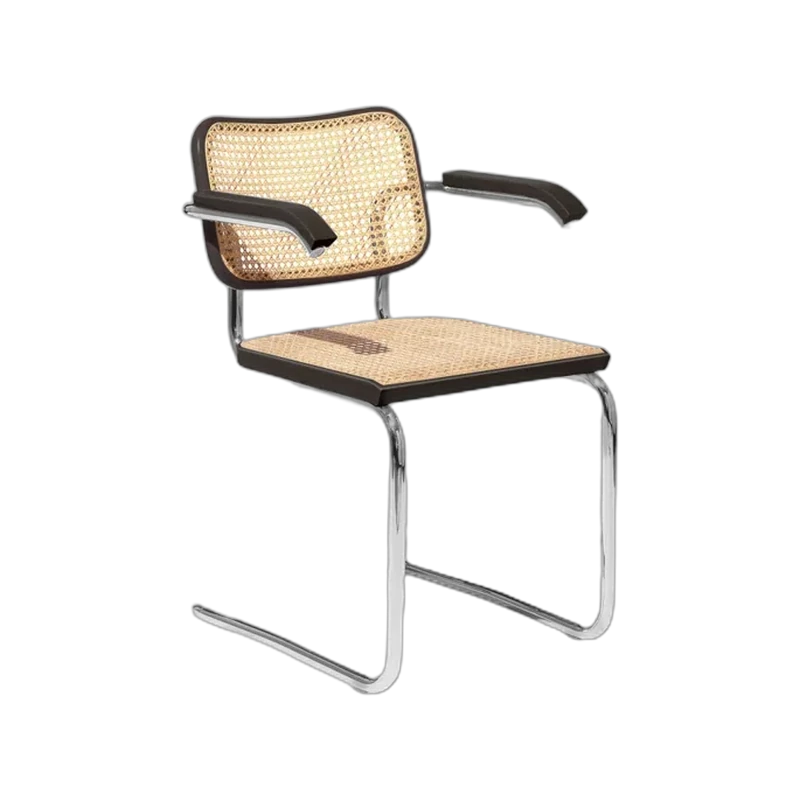
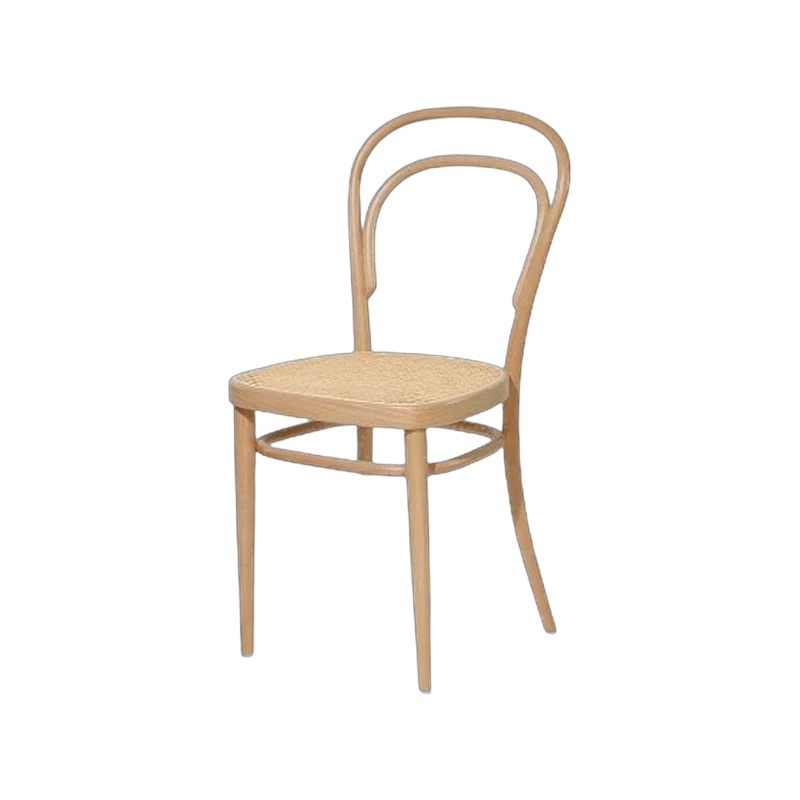
Rattan is a material: a climbing palm from South-East Asia whose solid stem is steam-bent — it forms the frame of Emmanuelle chairs, 70s shelving, veranda furniture. Cane is a technique: the open weave of rattan bark, stretched within a frame — the seat of the Thonet no. 14 chair, the back of Breuer's Cesca, the fronts of the sideboards in vogue these past five years.
What the vintage is worth
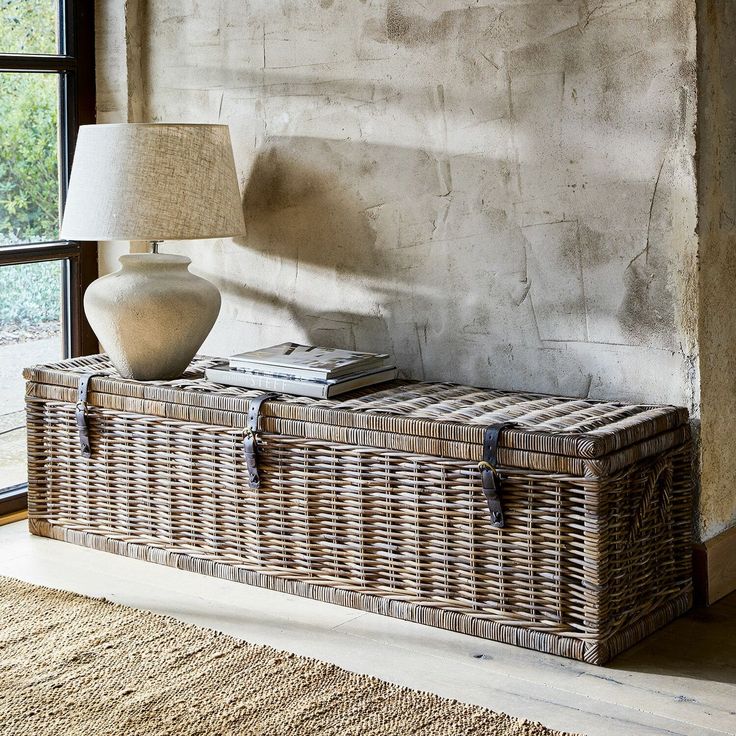
Rattan from the 1950s–70s has soared: a basket chair goes for €150–400, while signed pieces — Audoux-Minet, Louis Sognot, the Rohé Noordwolde editions — climb past the thousand. Cane follows the value of the piece that carries it. Good news: both can still be found at gentle prices in country brocantes, where “old wicker chair” hasn't yet been rechristened “rattan chair”.
Caring for it, mending it
Rattan fears dryness: a damp cloth twice a year is enough. Slackened cane is tightened again with warm water; if it's holed, it is rewoven entirely by a caner — reckon on €80–150 per seat, worth it on an editioned chair, rarely on a copy.
Spotted a piece in rattan? Scan it on Beyit to place its era and price.
One photo, every piece identified.
Your room, a shop window, an inspiration screenshot: send the photo, we find the pieces and their alternatives at every price.
On iPhone, the app does the same from your camera.
The pieces, at your budget.
Every piece mentioned, with its alternatives — from vintage to dupe.
Gallery
4 images