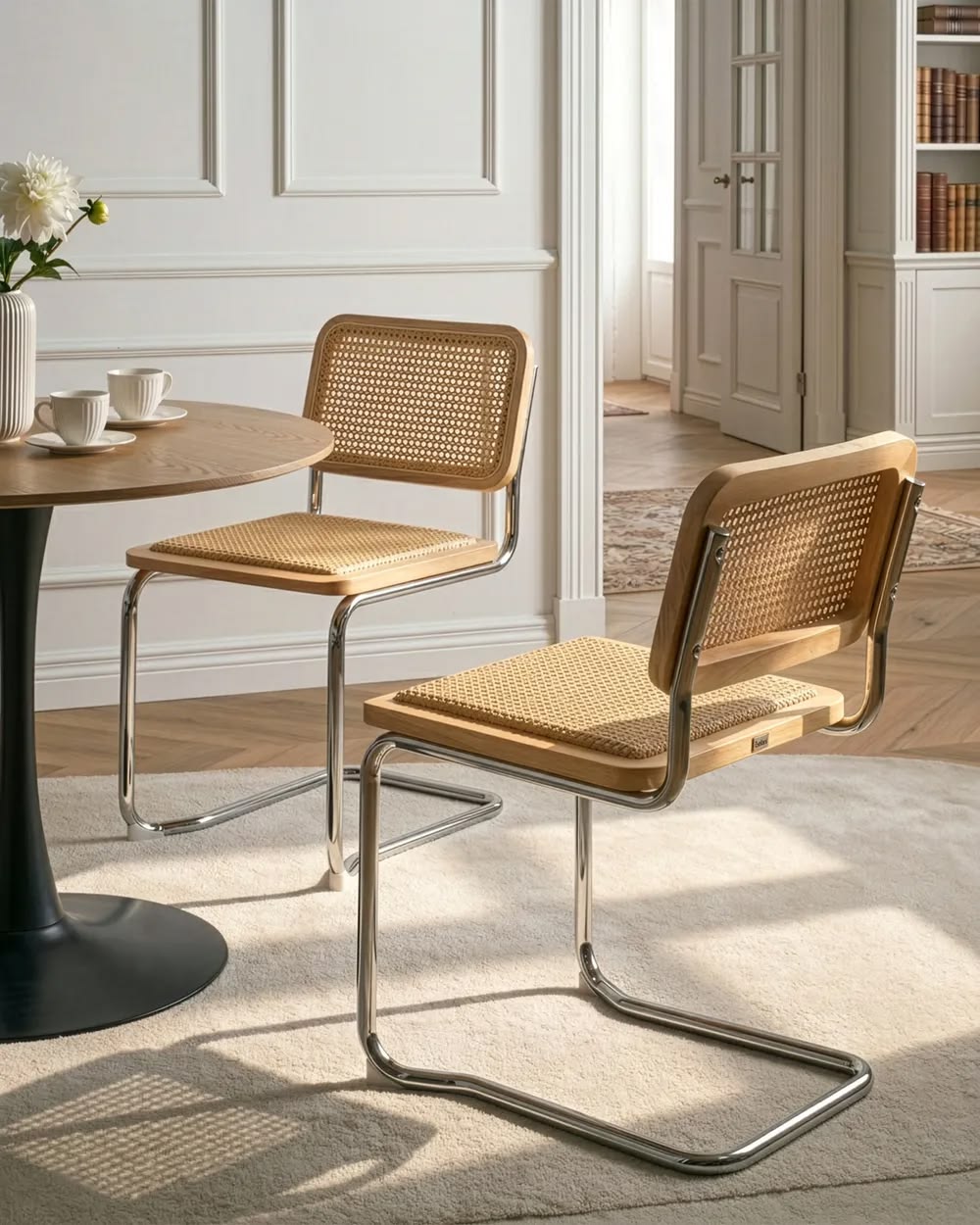

Breuer's Cesca: the real thing, the licences, the copies
Tubular steel and cane, 1928. How to tell an authorised Cesca from a grey-market copy, and why vintage is often the best buy.
1 MIN · 3 OBJECTS IDENTIFIEDMarcel Breuer's Cesca, 1928, is everywhere — flea markets, restaurants, feeds. It is also one of the most copied chairs in the world. Telling the authorised piece from the copy comes down to a few precise details.
Who makes what
Knoll holds the so-called official edition (around 800-1,000 € a chair), Thonet produces its own versions of the model in Germany. The rest — the vast majority of what circulates online between 100 and 250 € — is unlicensed copy.
The details that speak
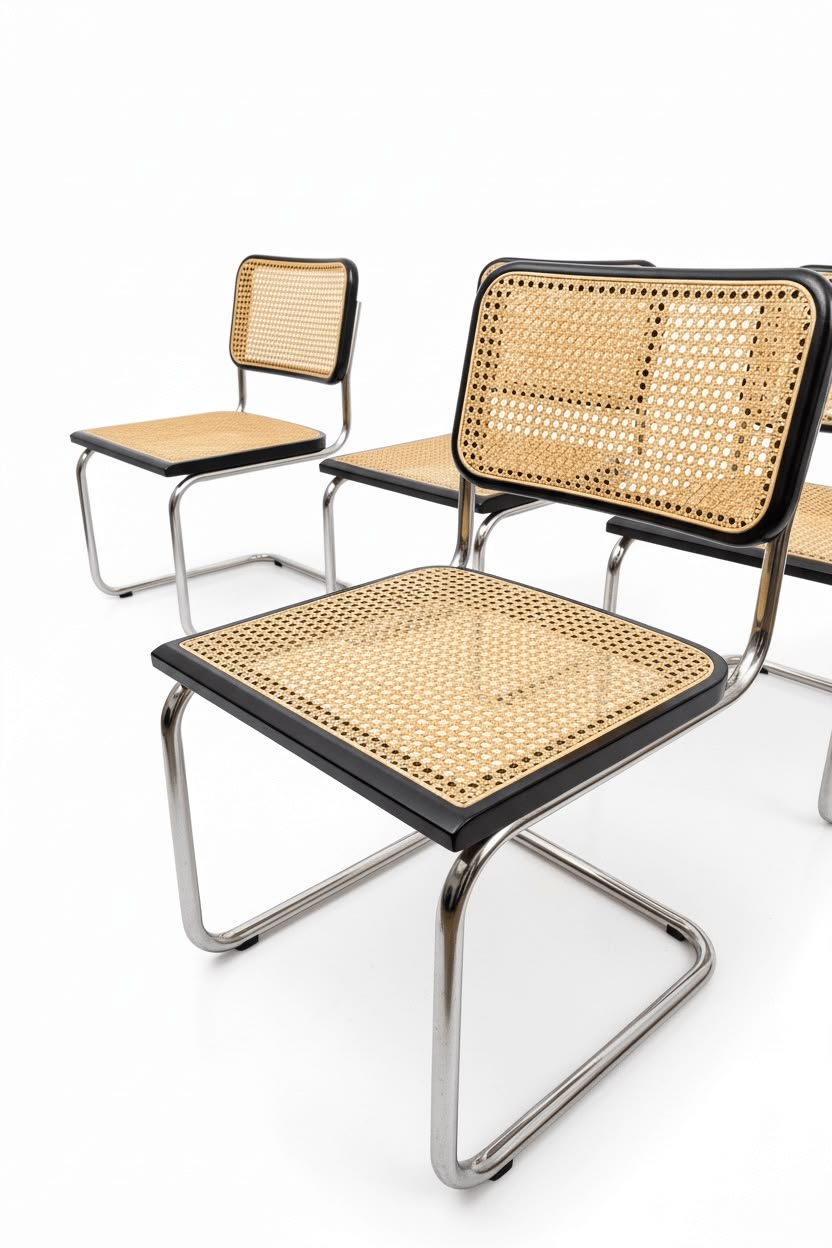
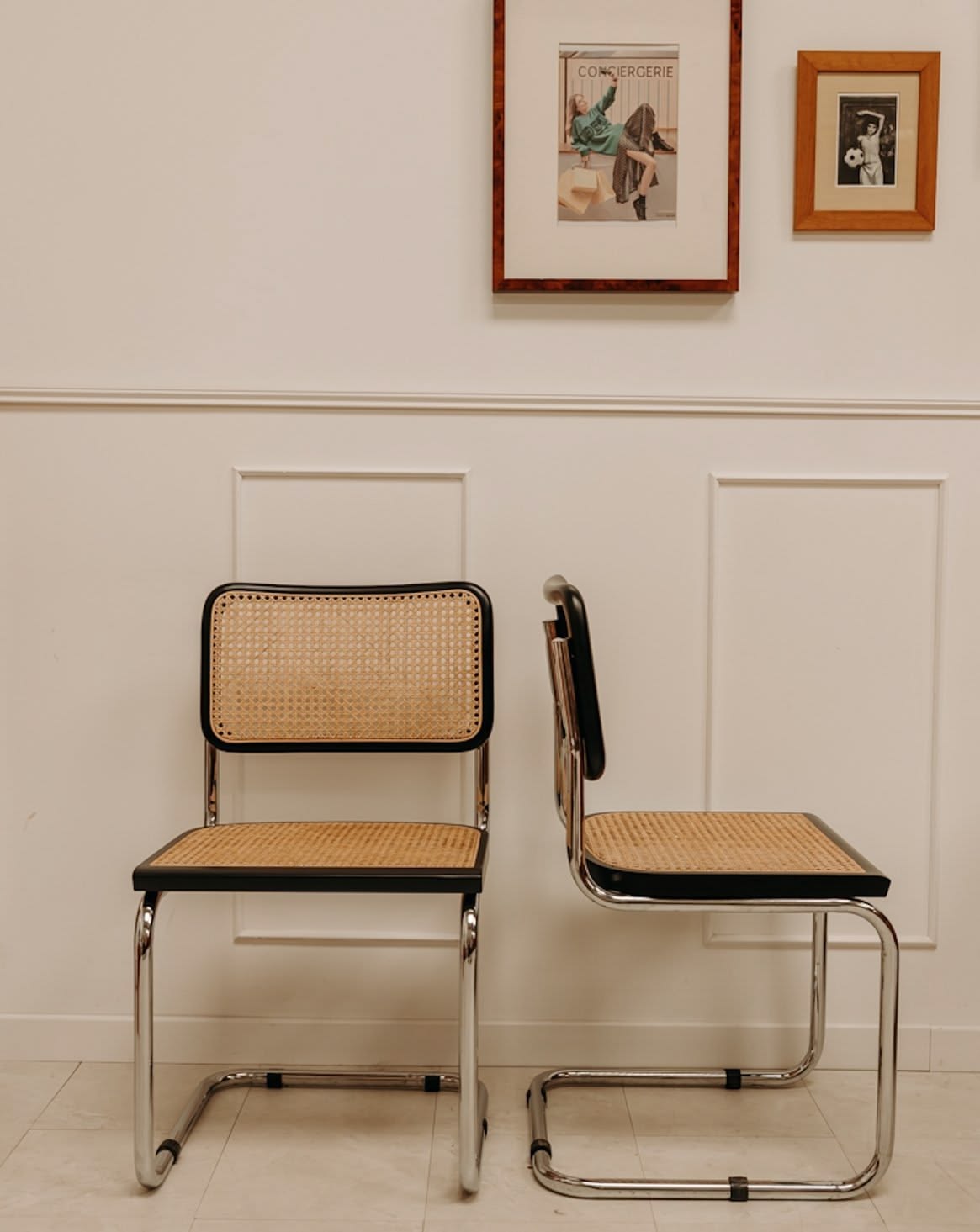
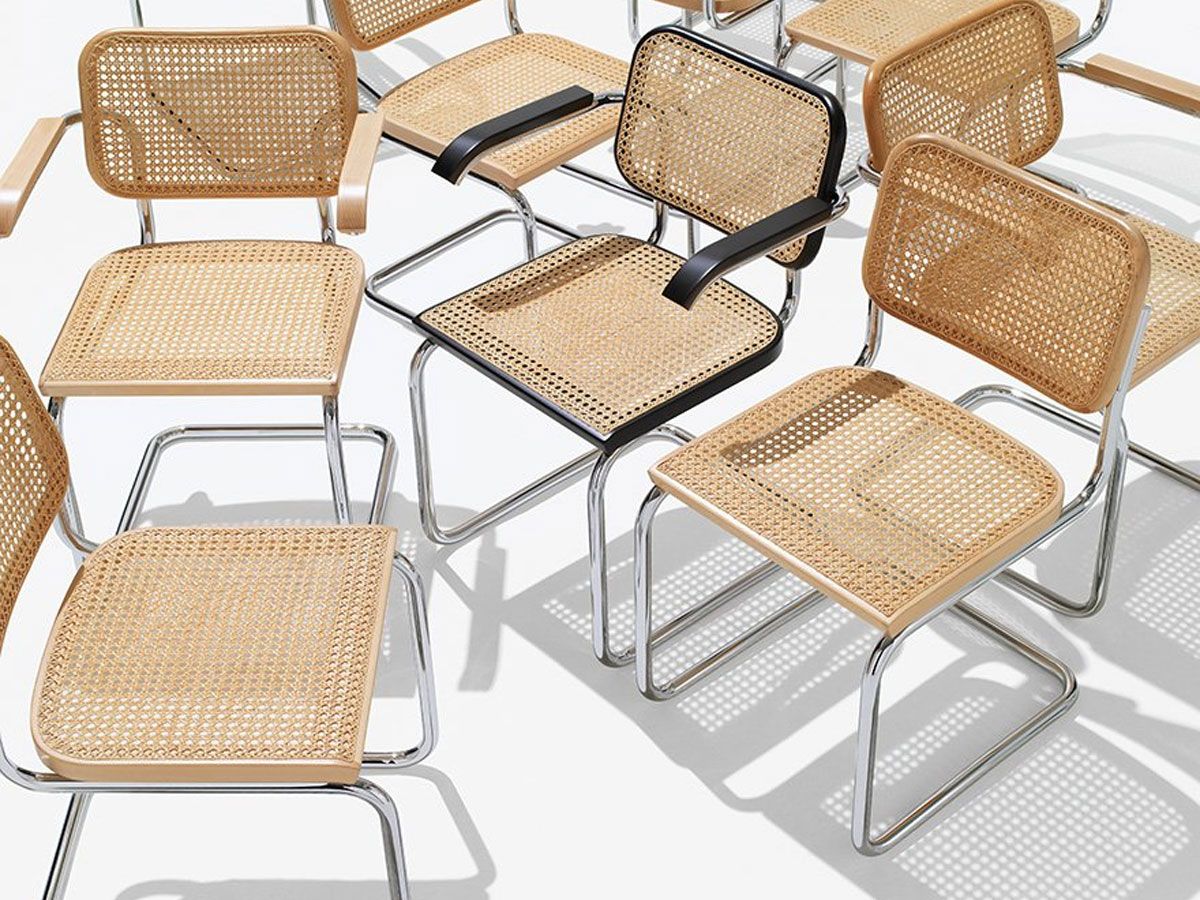
The cane on a serious Cesca is natural, tightly woven, set into a frame of solid steam-bent beech. Copies often use plasticised cane, flat screwed frames, a thinner tube that flexes when you sit down. Weight is a good judge: the real one is dense.
Vintage, the real bargain
Decades of production under various licences have filled the flea markets with sound Cescas at 80-200 € apiece. Cane to be redone sometimes — cane can be rewoven, a bent tube cannot. That is where the value for money is unbeatable.
A Cesca in front of you? Scan it on Beyit to place the edition and the price.
One photo, every piece identified.
Your room, a shop window, an inspiration screenshot: send the photo, we find the pieces and their alternatives at every price.
The pieces, at your budget.
Every piece mentioned, with its alternatives — from vintage to dupe.
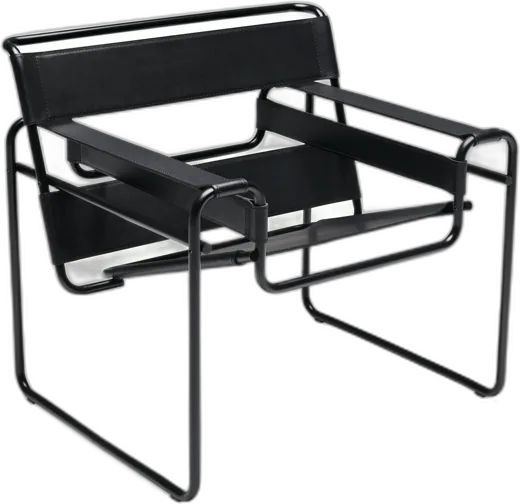
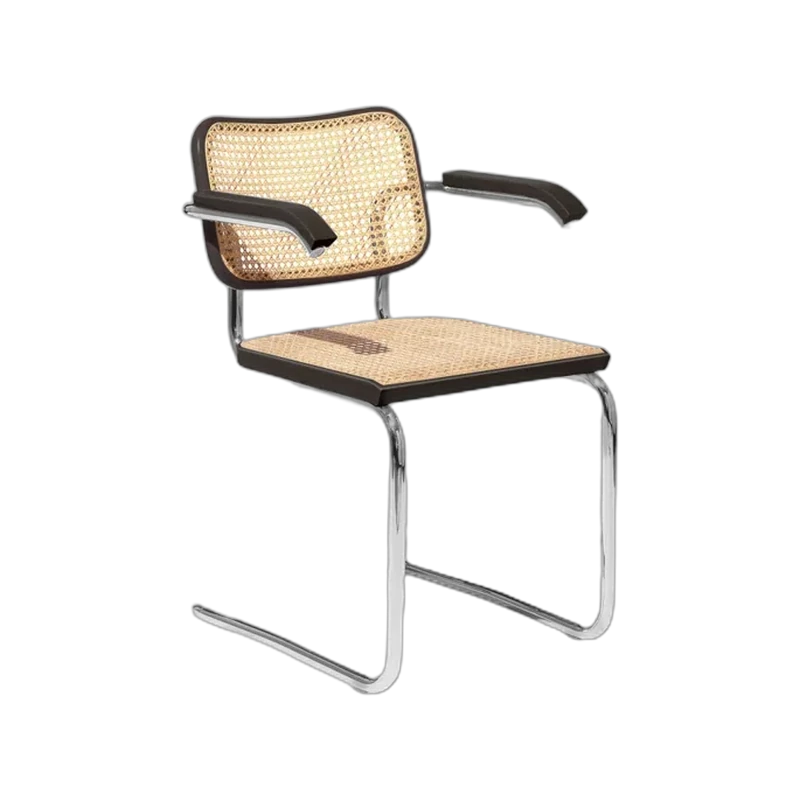
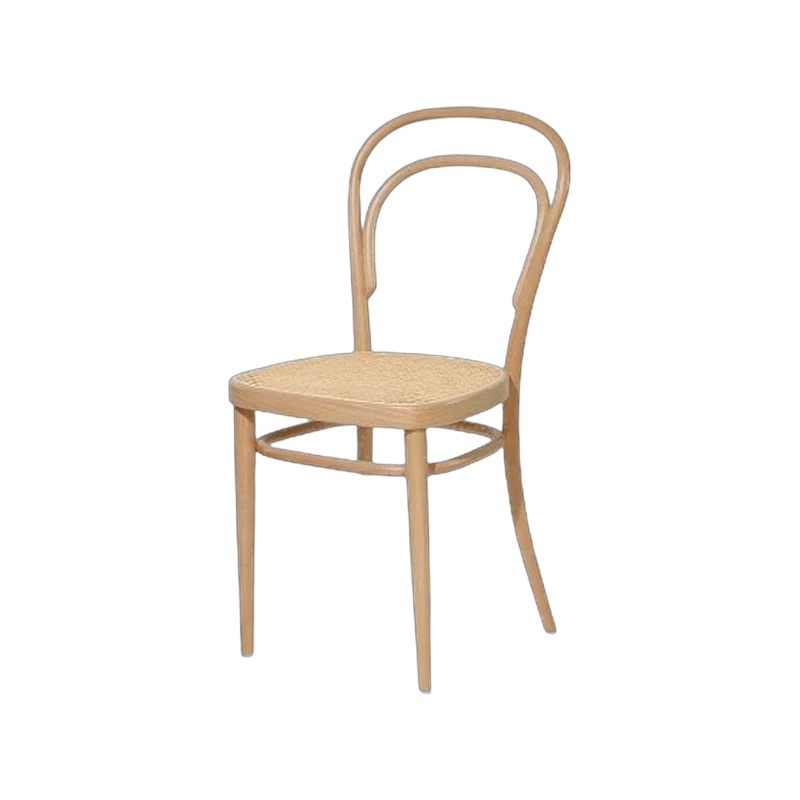
Gallery
4 images