
The 10 Most Famous Design Chairs, from the Thonet to the Panton
From Thonet's No. 14 to Vitra's Panton: ten chairs that shaped design history, each in three lines, with alternatives at every price.
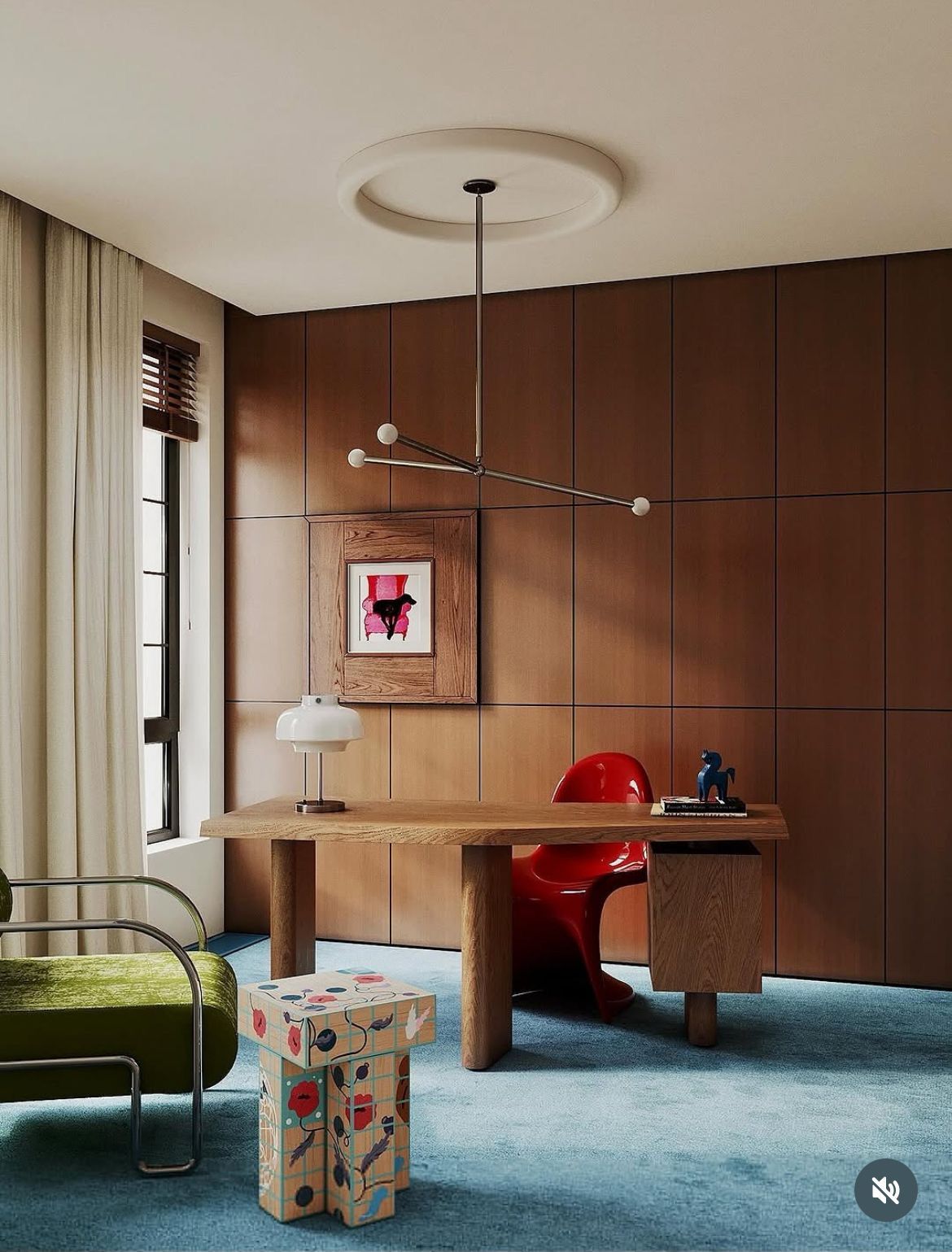
3 MIN · 5 OBJECTS IDENTIFIEDThe chair is the set piece of design: four legs, a back, and a century and a half of answers. From Thonet's Viennese cafés to Panton's plastic monobloc, each of these ten shifted a limit — technical, formal or industrial. All can still be found, in reissue or vintage.
1. The Thonet No. 14 — Michael Thonet, 1859

Six pieces of steam-bent beech, ten screws, two nuts: the No. 14 ships flat-packed — thirty-six chairs in a one-cubic-metre crate — to cafés the world over. Fifty million sold before 1930: the first piece of furniture of the industrial age, and still the chair of the bistro. See the original and its alternatives →
2. The Panton — Verner Panton, 1967

The first chair in the world moulded from a single piece of plastic, in full cantilever — ten years of trials before Vitra pulled it off. The pop S of Danish design, still in production, still just as improbable seen in profile. See the original and its alternatives →
3. The Wishbone CH24 — Hans Wegner, 1949

Born of portraits of Danish merchants seated on Ming chairs, the CH24 weaves a paper-cord seat beneath a Y-shaped back. Made without interruption by Carl Hansen & Søn since 1950 — more than a hundred operations, the cording done by hand. See the original and its alternatives →
4. The Series 7 — Arne Jacobsen, 1955

A shell of plywood cinched at the waist, set on four slender tubes: the best-selling chair in the history of Danish furniture. And one of the most photographed — the 1963 portrait of Christine Keeler was taken on a copy, which says everything about its success. See the original and its alternatives →
5. The Eames DSW — Charles & Ray Eames, 1950

The organic shell born of the MoMA "Low-Cost Furniture" competition, set on a wooden base: the first plastic chair made in large series. The whole Eames programme is held in this object — the best, for the most people, at the lowest price. See the original and its alternatives →
6. The Cesca B32 — Marcel Breuer, 1928

The Bauhaus cantilever reconciled with tradition: chromed steel tube, beech frame, Viennese cane. Renamed Cesca in the 1960s by the maker Gavina, after Breuer's adopted daughter Francesca — steel had found its softness. See the original and its alternatives →
7. The Tulip — Eero Saarinen, 1957

Saarinen wanted to be done with "the slum of legs" beneath tables: a single stem, a moulded shell, a cushion. The chair of Knoll's Pedestal Group — and of the television spaceships of the 1960s, which knew exactly what they were doing. See the original and its alternatives →
8. The Superleggera — Gio Ponti, 1957

1.7 kilos, an 18-millimetre triangular section, the caned seat: Ponti distils the Chiavari fisherman's chair down to its essence. Cassina threw it from a fourth-floor window for the advertising — it bounced. See the original and its alternatives →
9. The Zig-Zag — Gerrit Rietveld, 1934

Four boards, a Z, no legs: Rietveld reduces the chair to a line in space, De Stijl carried to its limit. Reissued by Cassina, it remains more radical than almost everything drawn since. See the original and its alternatives →
10. The Louis Ghost — Philippe Starck, 2002

A medallion armchair in the Louis XV spirit, injection-moulded in transparent polycarbonate, from a single mould. Starck feeds three centuries of French furniture into a Kartell machine — sold by the million, copied still more. See the original and its alternatives →
And if you spotted it in a photo?
Every piece on this list has its own reference page on Beyit, with the original, its history and alternatives at every price. And if a piece of furniture intrigues you in a photo — an Instagram interior, a film, a period house — scan it: Beyit identifies it.
One photo, every piece identified.
Your room, a shop window, an inspiration screenshot: send the photo, we find the pieces and their alternatives at every price.
On iPhone, the app does the same from your camera.
The pieces, at your budget.
Every piece mentioned, with its alternatives — from vintage to dupe.