How feeds rewired our sense of taste
74% of under-35s say their decor taste was shaped on Instagram and Pinterest. 11% credit their parents. For the first time, taste travels sideways.
3 MIN · 3 OBJECTS IDENTIFIEDA Pew Research study published in March 2026 measures it for the first time: 74% of under-35s say their decor taste was shaped on Instagram and Pinterest. 11% credit their parents. 4% credit magazines. For the first time in modern history, domestic visual taste is transmitted horizontally between strangers, not vertically between generations.
The break
Before 2015, decor taste was built in layers: family inheritance, magazines (Elle Décoration, AD, Marie Claire Maison), high-street shops (Roche Bobois, Habitat, Conran Shop), the homes of friends. A slow, local, geographic chain. The taste of a thirty-year-old in Lyon had nothing in common with that of a thirty-year-old in Lisbon.
Since 2015, the feed has replaced all of that. Taste is now shaped by an algorithm pushing the same two hundred images to millions of screens. The result: an unprecedented convergence. A thirty-year-old in Tokyo, Berlin, Mexico City or Paris literally wants the same living room.
Three direct consequences
1. Visual uniformity
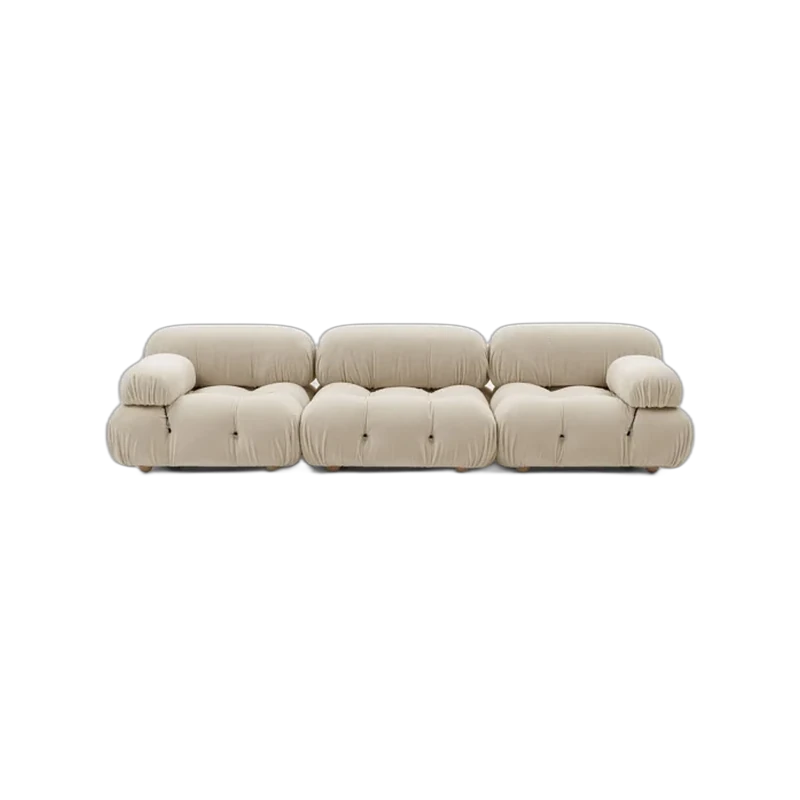
The whole planet wants a Camaleonda, an Akari lamp, a travertine wall. Not by accident — because the algorithm has been feeding them the same references for two years. Interior designers are beginning to turn down certain commissions in 2026: "one more travertine job and I resign", Vincent Van Duysen told Wallpaper in his latest interview.
2. The loss of vocabulary
People recognise a chair on sight without being able to name it. The feed erases brands, designers, sources. What remains is the floating image, "saved for later", never acted upon. The Pinterest 2026 report states that 84% of "decor" saves never lead to a purchase search. Not for lack of money. For lack of vocabulary.
3. The anxiety of choice
When a thousand identical objects scroll by, choosing becomes impossible. Anxiety replaces desire. This is what taste psychologists now call "decor paralysis": a generation that can describe an ideal interior with photographic precision but has no idea how to buy it.
What it produces
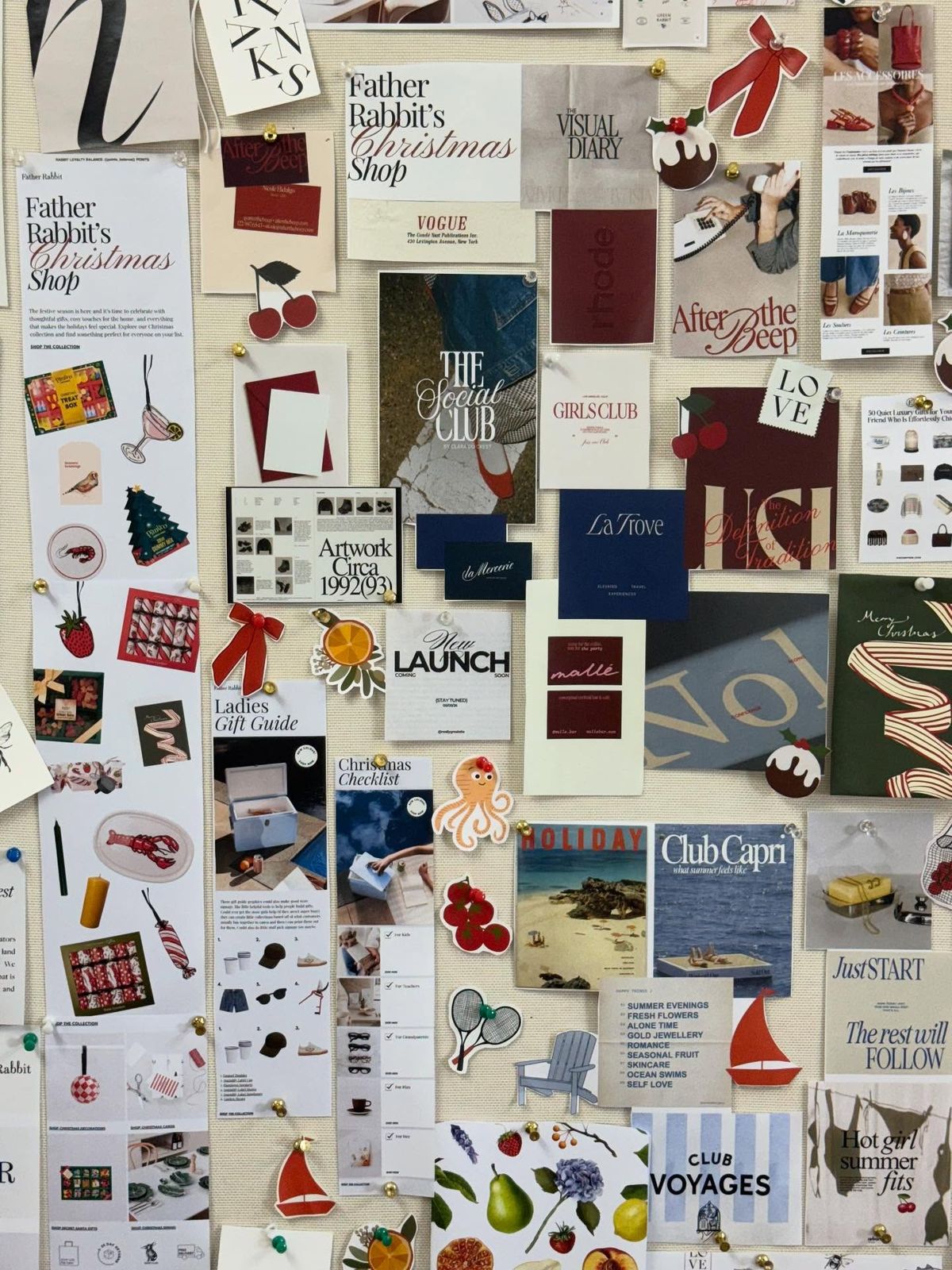
A generation that spends three hours a day on Pinterest and zero euros in a shop. That saves 4,500 pins and owns almost nothing. That lives in an empty flat ringed by a fifty-gigabyte moodboard.
And a market that polarises. On one side, the mainstream brands (IKEA, Maisons du Monde, Westwing) catching those who eventually cave to the easy click. On the other, the rare signed pieces (vintage or auteur) catching those who have moved past the moodboard and want to prove something. In between — the historic mid-market (Habitat, Conran Shop, Roche Bobois) — evaporates.
The way out
Three movements are emerging against the dictatorship of the feed. First, "collected interiors" (see our article from 5 June), which defend the deliberate mixing of periods and sources against algorithmic uniformity.
Then, the accounts that name things — Apartamento Magazine, Kingdom Design, Studio Giancarlo Valle, Cabana Magazine. All systematically credit their sources on every image published. It is an editorial stance: naming makes purchase possible, therefore engagement, therefore real taste.
Finally, reverse search. Beyit is one example: start from an image, identify the objects, trace them back to the source. It is the technical answer to algorithmic decontextualisation.
In practice
Three exercises to take back control. Before saving an image, find out where it comes from — who designed it, who published it, where it can be bought. If the search fails, do not save it.
Follow ten accounts maximum, unfollow the rest. Three decorators, three brands, three magazines, one archive photographer. The feed becomes legible.
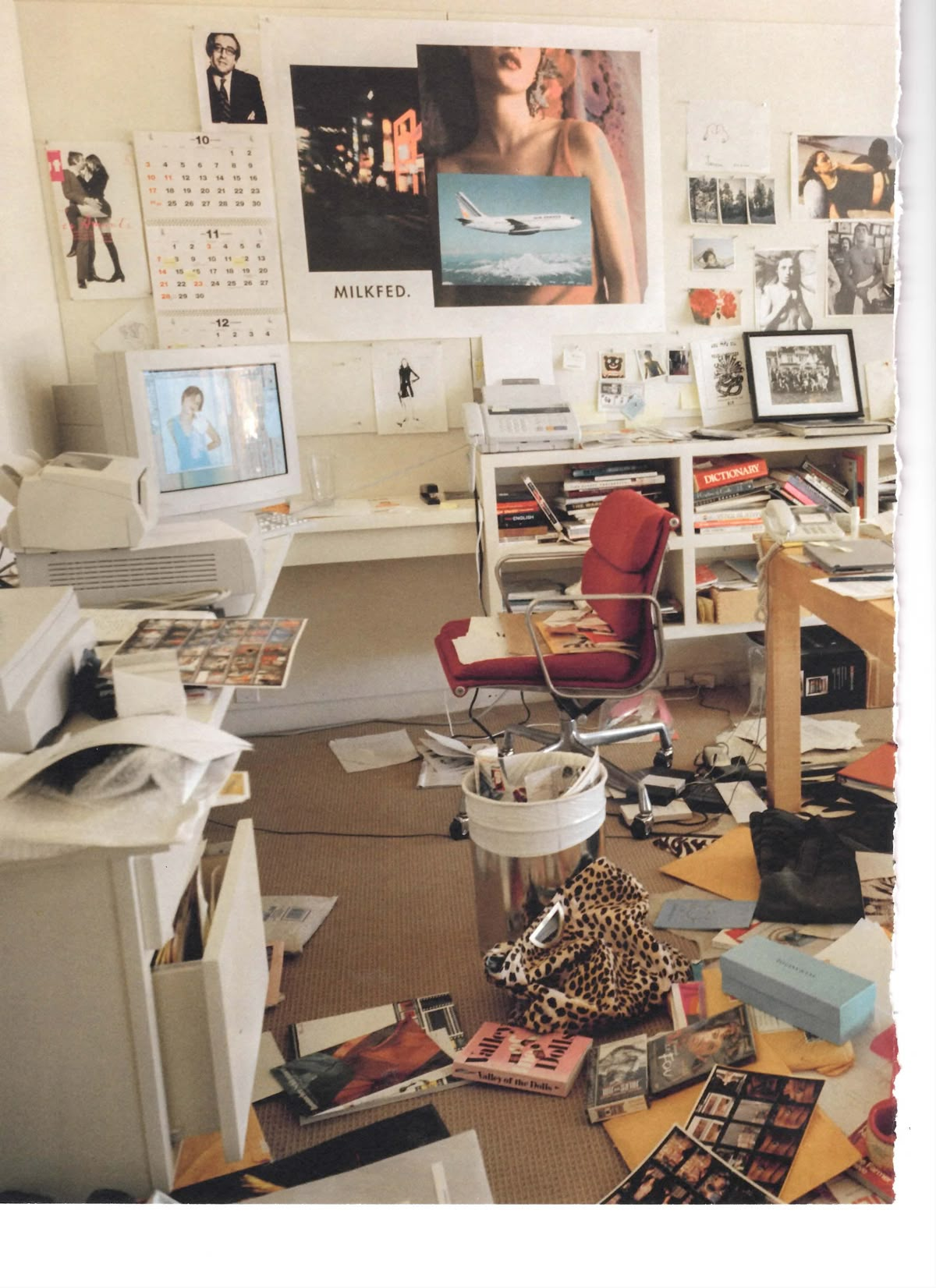
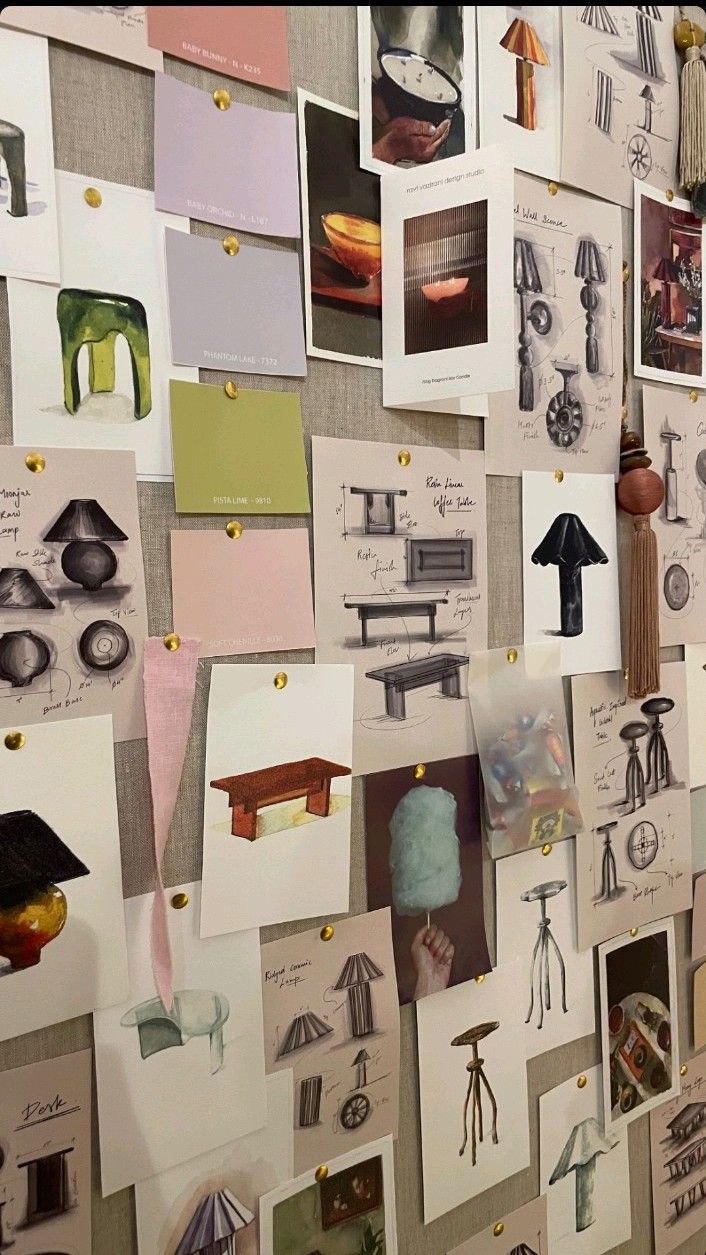
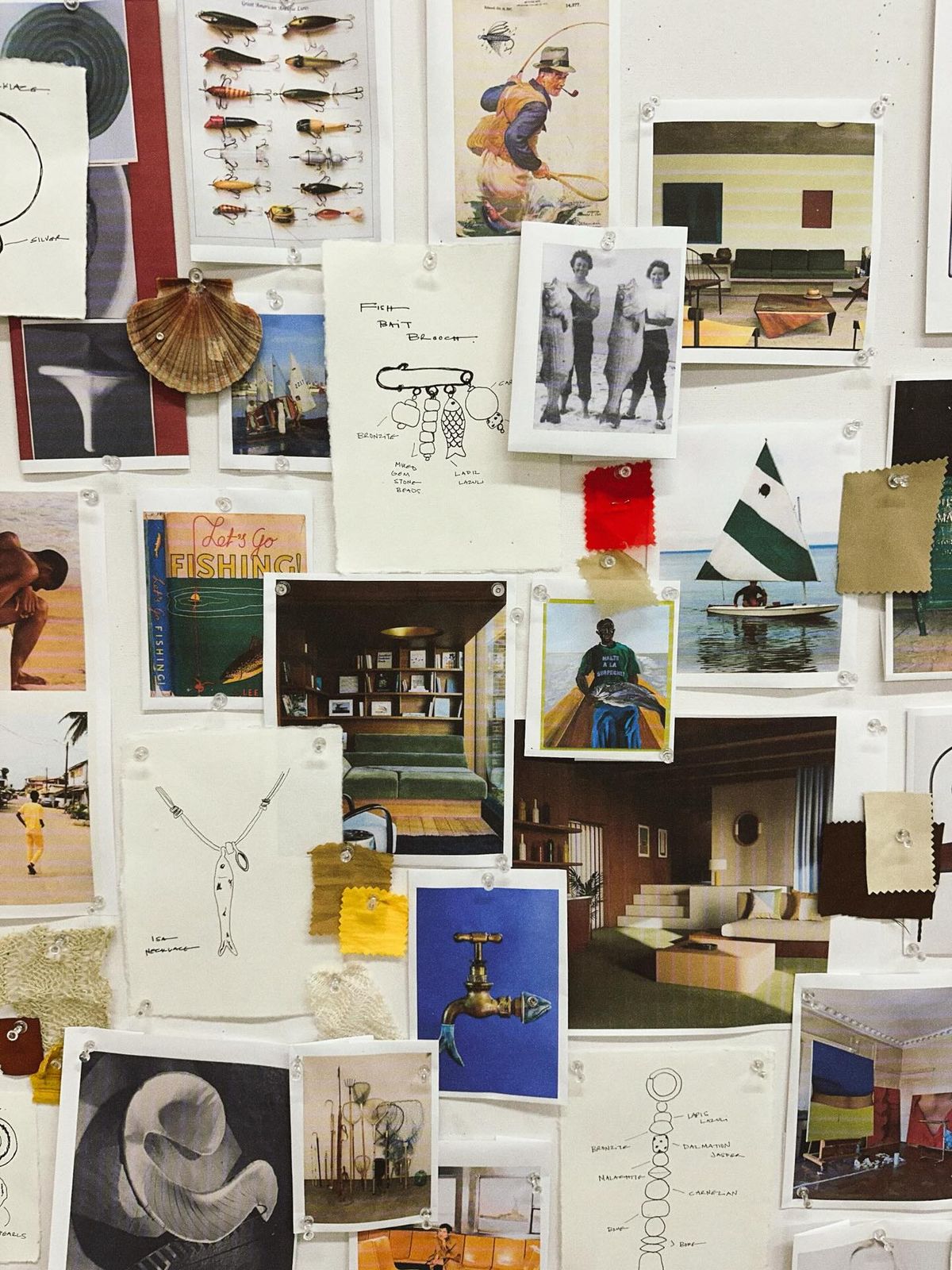
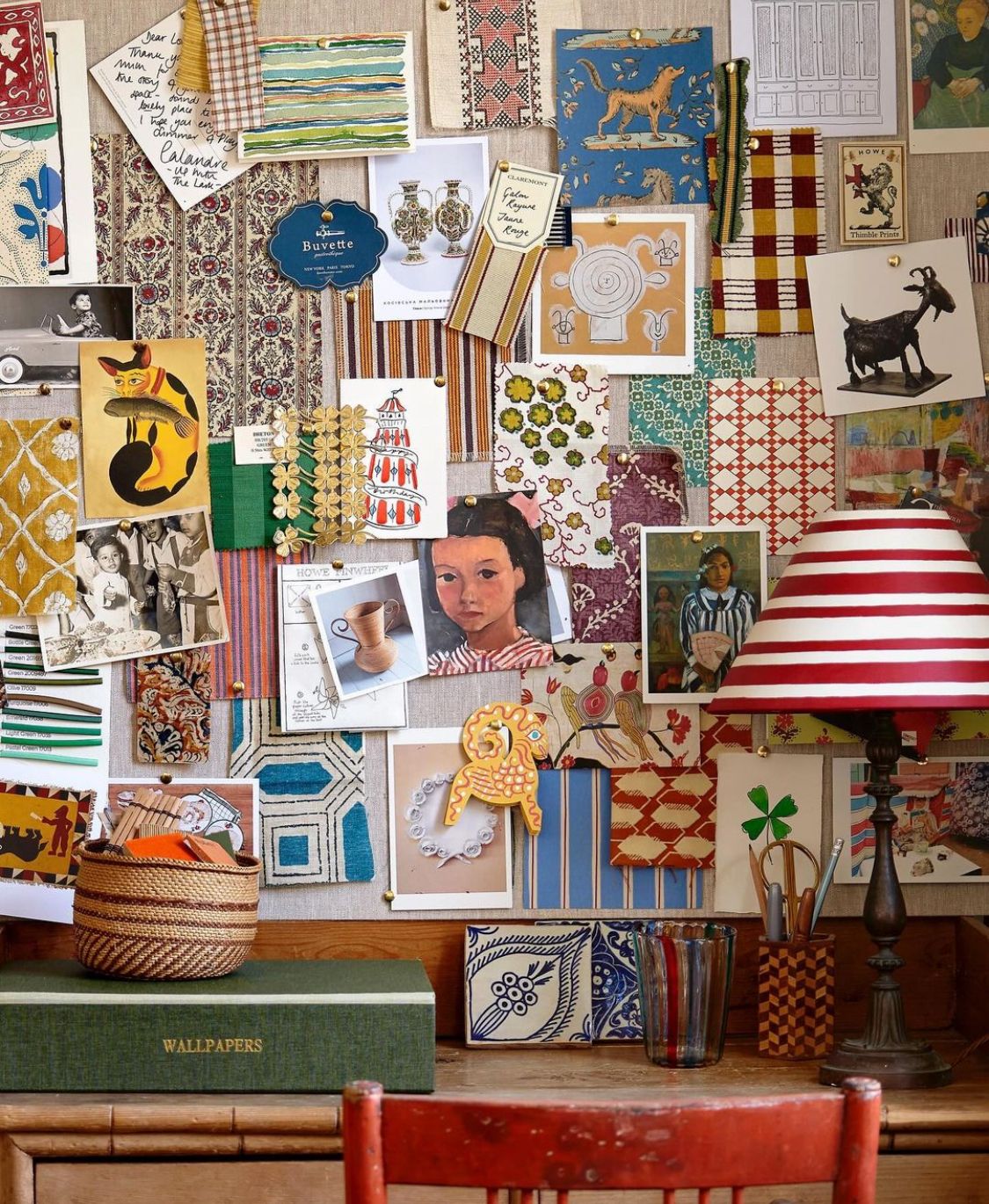
Print ten images you genuinely love and look at them together on a wall. The coherence, or its absence, will be obvious. It is the exercise that steps out of the scroll and reveals whether taste exists or whether it was only a Pinterest accumulation.
One photo, every piece identified.
Your room, a shop window, an inspiration screenshot: send the photo, we find the pieces and their alternatives at every price.
On iPhone, the app does the same from your camera.
The pieces, at your budget.
Every piece mentioned, with its alternatives — from vintage to dupe.


Where to find Maisons du Monde
At the house itself, or at the retailer that stocks it.
Gallery
5 images