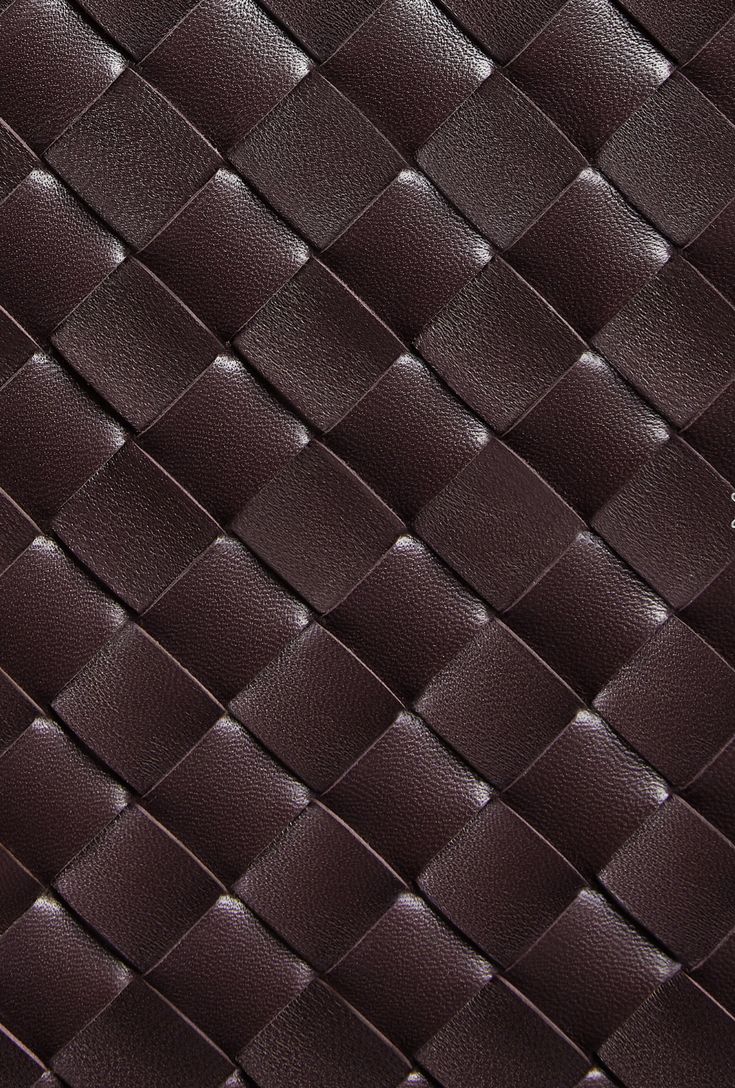
Full-grain leather: the guide to a sofa that ages well
Full-grain, corrected-grain, split: three words that change everything about the price — and the patina. What to read behind "genuine leather sofa".
1 MIN · 5 OBJECTS IDENTIFIEDTwo "genuine leather" sofas, one at £800, the other at £4,000. The difference comes down to three words the product sheets carefully avoid: full-grain, corrected-grain, split.
The leather hierarchy
Full-grain is the untouched surface of the hide: natural grain, visible scars and veins, a breathing material that takes on a patina. Corrected-grain has been sanded down and then artificially re-grained — uniform, more fragile. Split, finally, is the underlayer of the hide, coated with a pigmented film: it is the one that peels away in patches after five years.
Spotting it in the shop
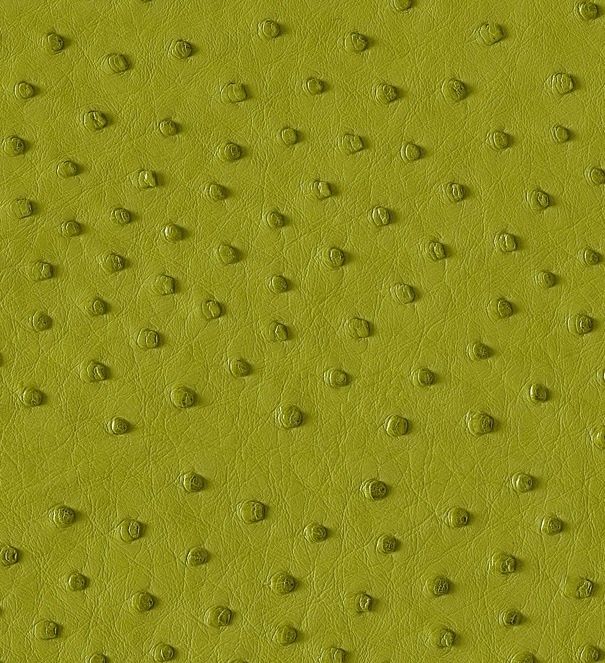
Look closely: a perfectly regular grain is suspect — real hide has irregularities. Pinch it: full-grain forms fine folds that smooth themselves out; pigmented leathers break into coarse creases. Smell it: the plastic film of a split has a chemical odour, not that of leather.
Patina, the decisive argument
Full-grain aniline leather darkens, softens and improves with age: that is why a quality leather sofa from the 1960s or 70s sells on, while a split-leather sofa ends up in the skip. Care: dust it, feed it once or twice a year, keep it away from the radiator. Nothing more.
Spotted a leather sofa, new or vintage? Scan it on Beyit: model, edition, market value.
One photo, every piece identified.
Your room, a shop window, an inspiration screenshot: send the photo, we find the pieces and their alternatives at every price.
On iPhone, the app does the same from your camera.
The pieces, at your budget.
Every piece mentioned, with its alternatives — from vintage to dupe.


Gallery
4 images