Decluttering Room by Room: The Decorating Method, Without the Sermon
Decluttering isn't a moral discipline, it's the cheapest way to redecorate: the room-by-room method, what to keep, and the storage that follows.
3 MIN · 2 OBJECTS IDENTIFIEDDecluttering isn't a moral discipline: it's the cheapest way to redecorate. A room is read through its furniture, and furniture is only visible when the surfaces are bare — the finest sofa in the world vanishes under three throws and a laundry basket. Here is the method, room by room, without the vocabulary of self-improvement.
The Principle: Fewer Objects, More Furniture
The aim isn't emptiness, it's legibility. A cluttered interior levels everything: the signed piece and the gadget carry the same visual weight. To declutter is to restore the hierarchy — letting the vase, the lamp and the ceramic breathe, and making the run-of-the-mill disappear into closed storage. You work room by room, one per weekend, never the whole house at once.
The Entrance: The Thirty-Second Zone
It's the room that clutters up fastest because everything passes through it. The rule: a single catch-all (keys, coins), a counted number of hooks — five or six coats maximum, the current season — and nothing on the floor. Whatever has no assigned place in the entrance doesn't live there: it camps.
The Living Room: Freeing the Horizontal Surfaces
Any flat surface draws objects like a magnet — it's the law of the genre. The coffee table holds to three objects: a book, a tray, a vase. The tray is the decorators' trick: it turns the jumble (remotes, candle, matchbox) into a composition. The bookcase, for its part, gains by keeping a third of it empty — shelves filled to the brim read as a wall of storage, no longer as a bookcase.
The Bedroom: Nothing on the Floor, Almost Nothing on the Nightstand
The cluttered bedroom plays out on the floor (clothes, bags, overflowing boxes under the bed) and on the nightstand. The nightstand holds to the lamp, the book in progress and the glass of water — which is precisely what makes the compact format of the wall-mounted bedside table virtuous: it physically has no room to accumulate. The clothes chair, meanwhile, is an institution one doesn't abolish: you replace it with a valet stand or a coat rack, which carries the same load with some bearing.
The Kitchen: The Bare Worktop
On the worktop stay only the objects used every day — the coffee machine, the board, the oil. Any appliance taken out less than once a week goes down into a cupboard. It's the room where decluttering is measured instantly: ten minutes of sorting, and the kitchen looks redone.
What to Keep: The Pieces That Sign
Decorative sorting has a criterion that general methods lack: the value of the piece. You keep what is designed, signed, old or loved — and you keep big: a single strong object per surface beats ten small ones. Family vintage is worth checking before it goes into a box: a Danish sideboard, an Italian lamp or a workshop chair often merit a detour by way of a valuation. Getting rid of things, yes — flogging a design piece out of ignorance, no.
The Storage That Follows: Closed for the Flow, Open for What Deserves It
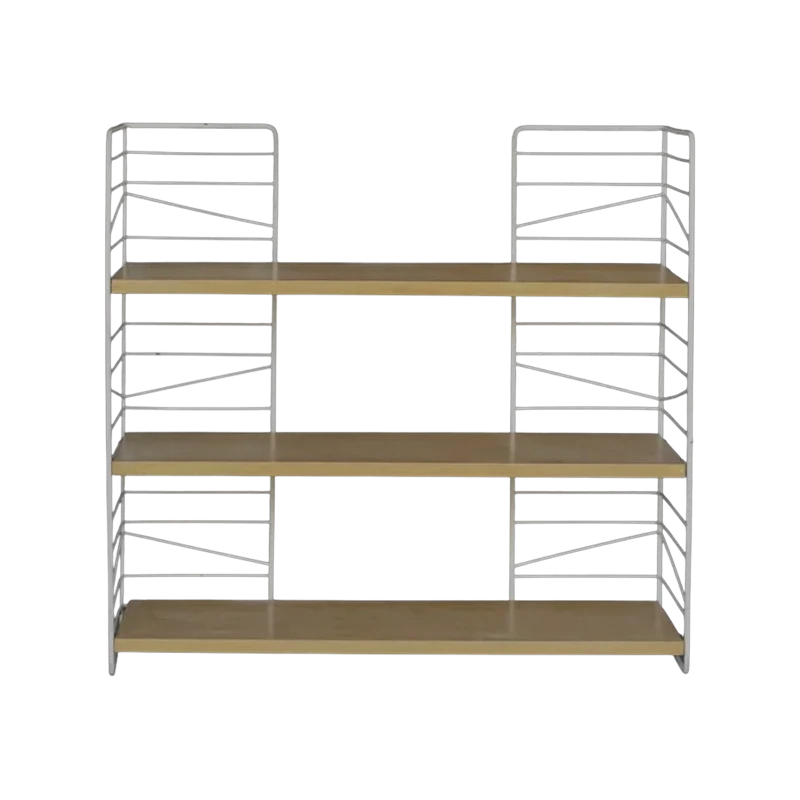
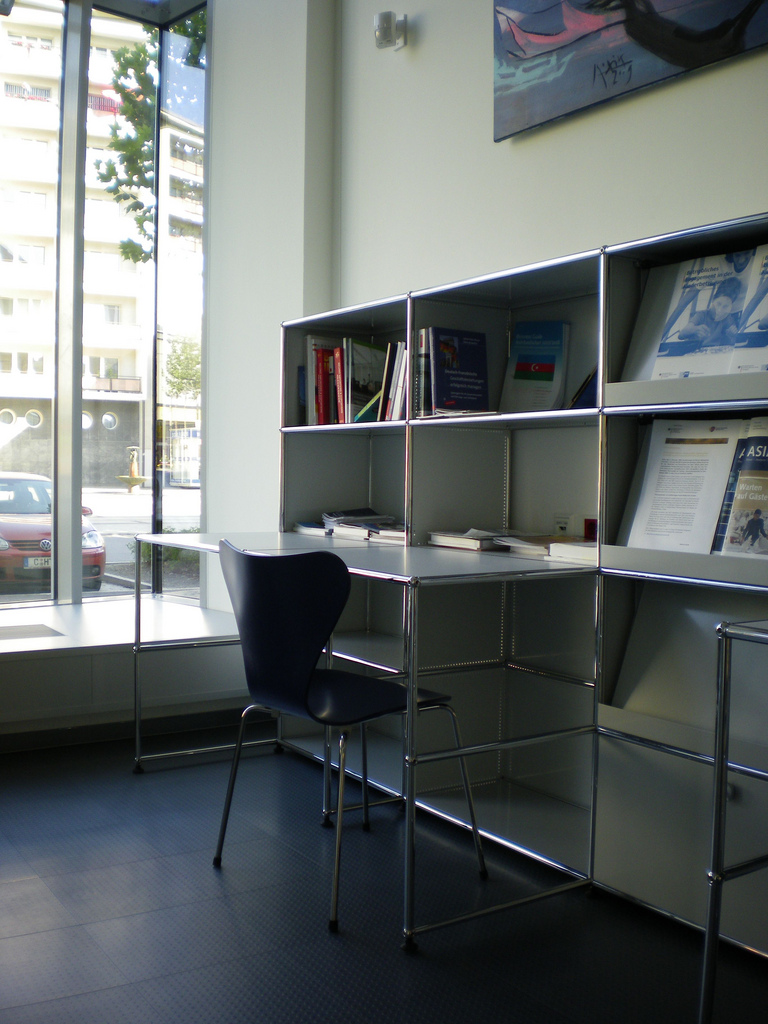
Decluttering only holds if storage follows, and the rule is simple: closed for the everyday, open for what you put on show. The closed absorbs the flow — a vintage sideboard in the living room, a chest of drawers in the bedroom. The open owns everything it shows: Nisse Strinning's String shelf carries the books and the chosen objects, and the USM Haller system — chromed grid and lacquered panels, designed in 1963 and unchanged since — remains the most durable answer to the storage question: it dismantles, reconfigures and resells, decade after decade.
The Beyit Tip
For everything that hesitates, the quarantine box: the objects neither kept nor thrown out go into a dated, sealed carton, stowed out of sight. Six months without opening it, and the box leaves whole — donated or sold — without being reopened. The decision makes itself, through real use rather than inner debate.
And After the Sort?
A decluttered room reveals what's missing: the right storage piece, the lamp that replaces three trinkets. If you've spotted it in an interiors photo, scan it: Beyit identifies the piece and offers the original and its alternatives at every price.
One photo, every piece identified.
Your room, a shop window, an inspiration screenshot: send the photo, we find the pieces and their alternatives at every price.
On iPhone, the app does the same from your camera.
The pieces, at your budget.
Every piece mentioned, with its alternatives — from vintage to dupe.