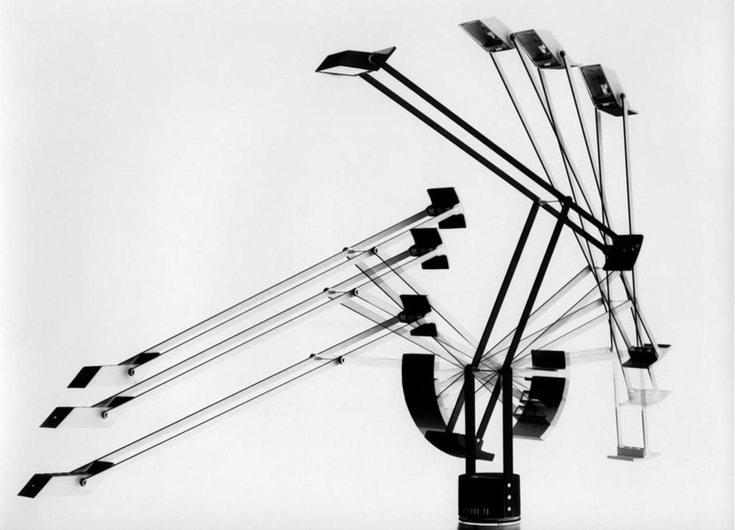

Richard Sapper's Tizio: The Architect's Lamp and Its Copies
Designed in 1972 for Artemide, the Tizio runs current through its arms, without wiring. Counterweight, balance, markings: what sets the original apart from its copies.
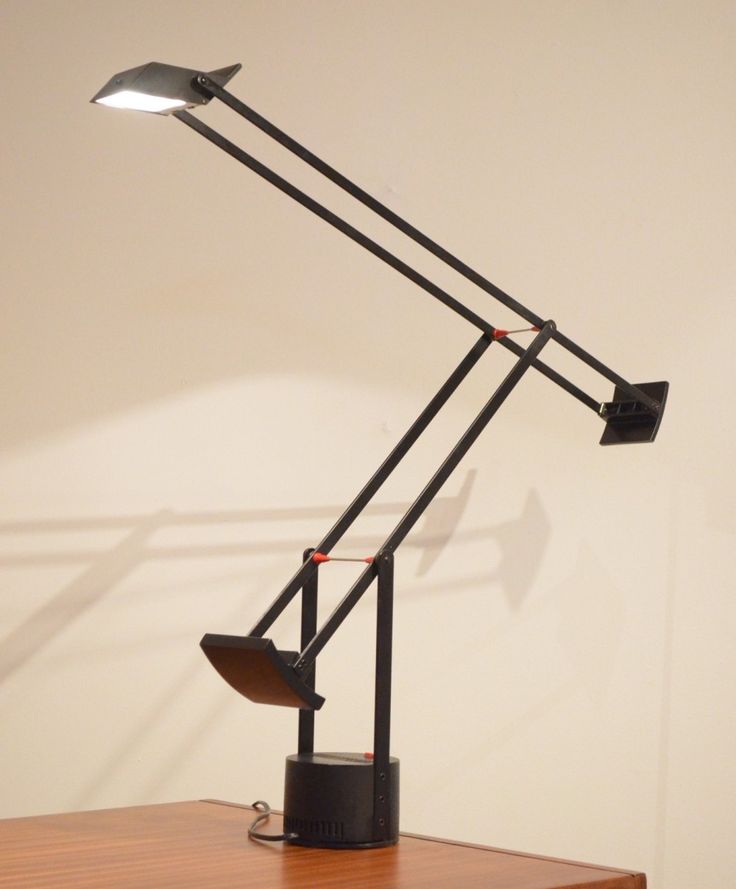
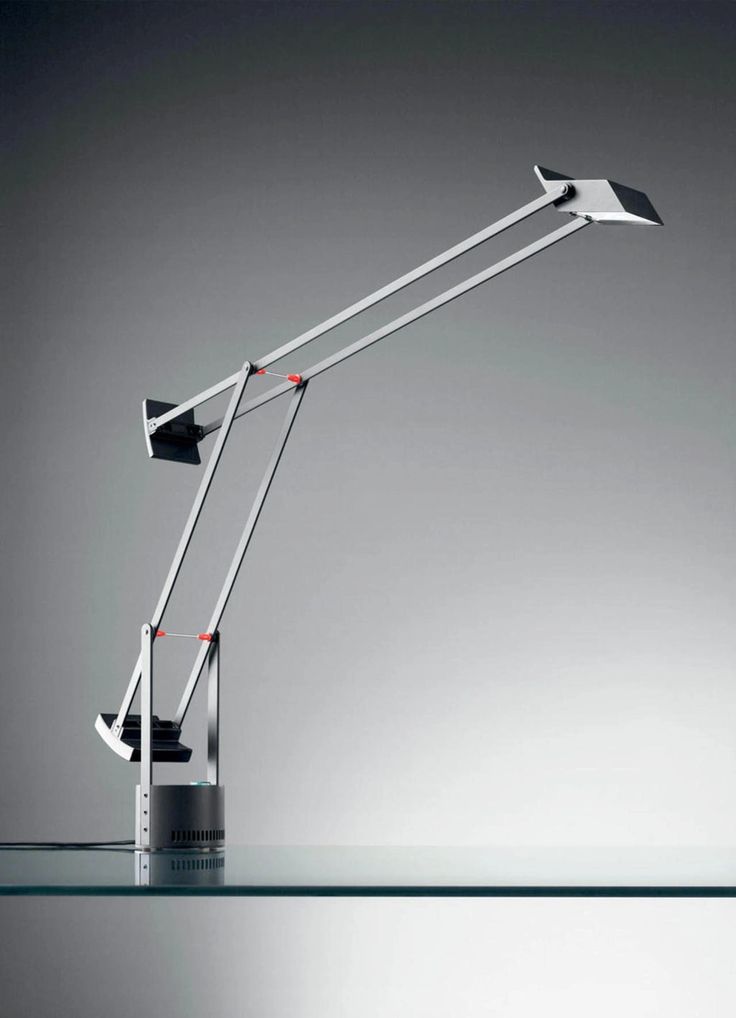
1 MIN · 1 OBJECT IDENTIFIEDNo wire in the arms: the low-voltage current runs through the structure itself. That is the idea that makes the Tizio, designed by Richard Sapper for Artemide in 1972, the most intelligent desk lamp of the century, and the thing its copies always miss.
Artemide and the Counterweight
Artemide has produced the Tizio since 1972. The transformer sits in the base, the two articulated arms balance by counterweight and move at the touch of a finger, without spring or locking screw. Halogen at first, the lamp now comes in LED, in two sizes: the Tizio 50 and the more compact Tizio 35.
How to Spot the Copy
The copy brings a wire back along the arms, or hides it badly in the joint: an immediate giveaway. Its balance is slack, the head droops. The parts are plastic where the original combines aluminium, thermoplastic and steel; the head heats up and warps. On an Artemide, the marking is on the base, with the name of the model, and the counterweights are heavy metal.
Price and Verdict
New, a Tizio 50 LED sits between €400 and €550, the Tizio 35 a little less. Vintage, a halogen from the 1980s-1990s goes for €150 to €350: the best deal, provided you check the transformer and the arm contacts, which oxidise. The copies, between €60 and €120, hold neither the light nor the pose.
Spotted a counterweight lamp on a desk? Scan it on Beyit: model, edition, vintage value and replicas.
One photo, every piece identified.
Your room, a shop window, an inspiration screenshot: send the photo, we find the pieces and their alternatives at every price.
On iPhone, the app does the same from your camera.
The pieces, at your budget.
Every piece mentioned, with its alternatives — from vintage to dupe.

Gallery
4 images