The new luxury is no longer expensive. It is simply illegible.
The old luxury wore a logo and a price tag. The new one wears objects nobody can name — decoded in five pieces.
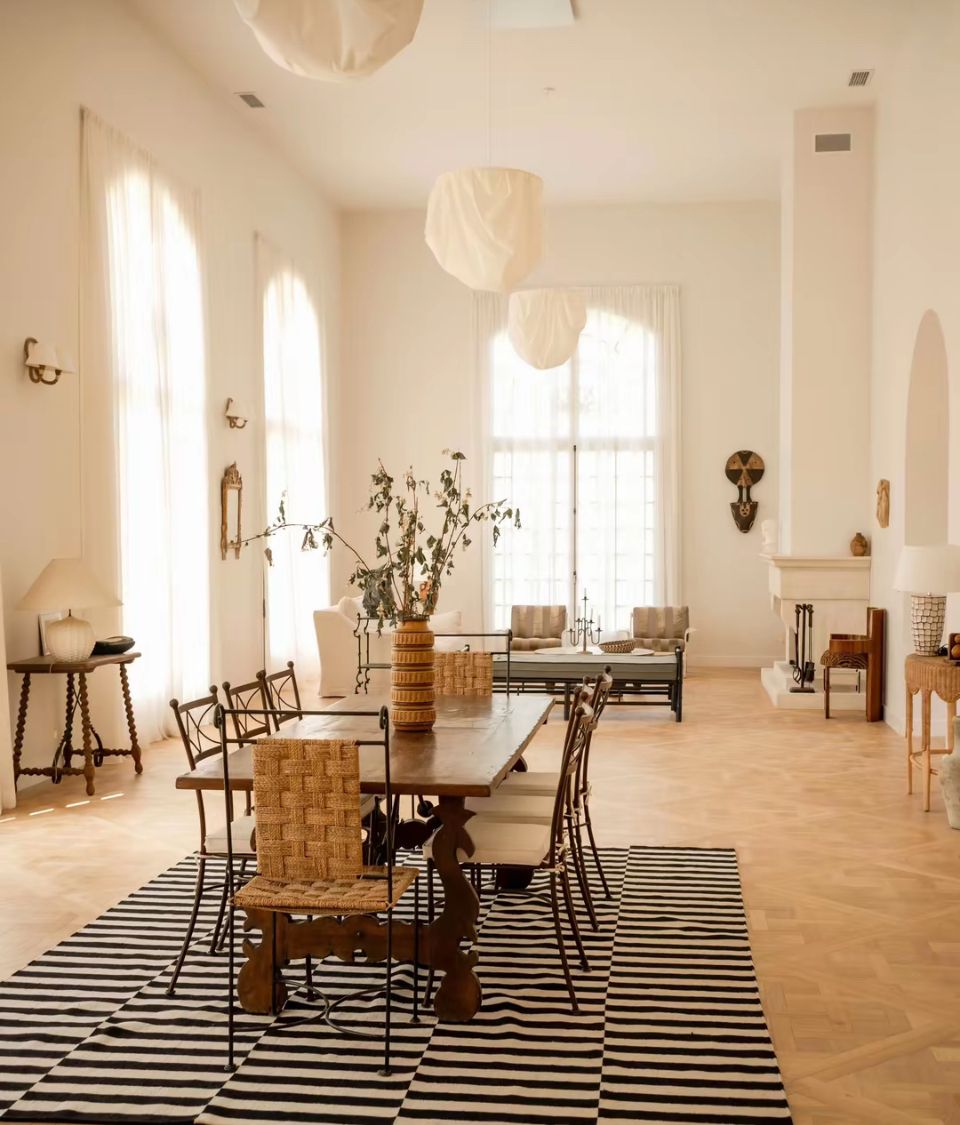
3 MIN · 5 OBJECTS IDENTIFIEDEleven at night, a dinner in the fifteenth arrondissement. On the table, a smoked-glass fruit bowl that looks like a 1972 Holmegaard but could just as easily have come from an Antwerp shop opened six months ago. No one around the table asks the question. That is precisely where luxury tipped over.
Before: four labels were enough to tell a room
For thirty years, you read an interior the way you read an alphabet. A Roche Bobois sofa, a Cassina table, a Flos lamp, a Christian Liaigre rug — the grammar was set. Label → price → status. Everyone read the same sentence, and everyone knew what it cost.
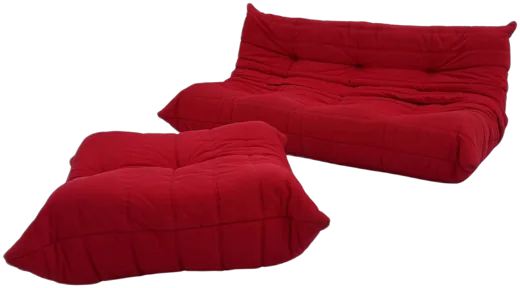
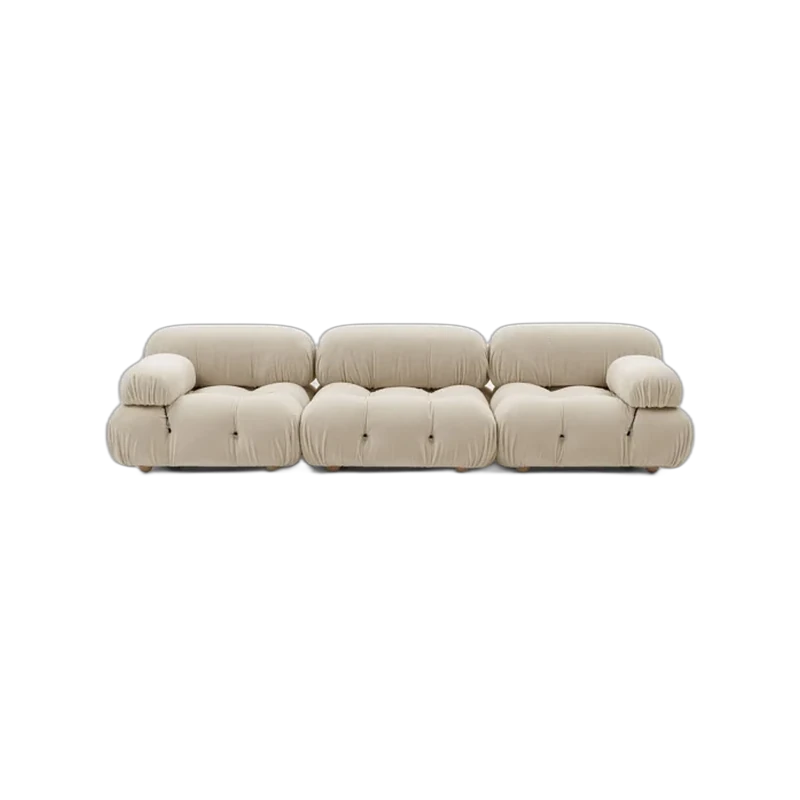
That legibility came from a material consensus. A Ligne Roset Togo cost 5,200 euros. A B&B Italia Camaleonda, 12,000. A Cassina LC2 chair, 4,800. The prices were posted, the showrooms identifiable, and the value chain held together.
The moment legibility collapsed
Three things shifted between 2018 and 2024. First, the Asian dupes became undetectable through an iPhone lens. A 380-euro Togo on AliExpress, photographed on the same beige carpet, makes exactly the same image as a 5,200-euro Togo at Ligne Roset. The grain of the foam, the stitching, the patina — everything dissolves into JPEG compression.
Then Pinterest and Instagram stripped objects of their context. An image circulates without credit, without source, without label. You see the Camaleonda, you do not know its name, you save it, you pin it, you have no idea what to search for.
Finally, the scroll saturated the retina. The same four objects come round ten thousand times: alabaster lamp, cream bouclé, travertine, cognac leather. Owning one of them no longer sets anyone apart.
The new objects of power
Luxury has retreated into what resists identification. Five examples, seen in the actual interiors of the people who carry weight in 2026.
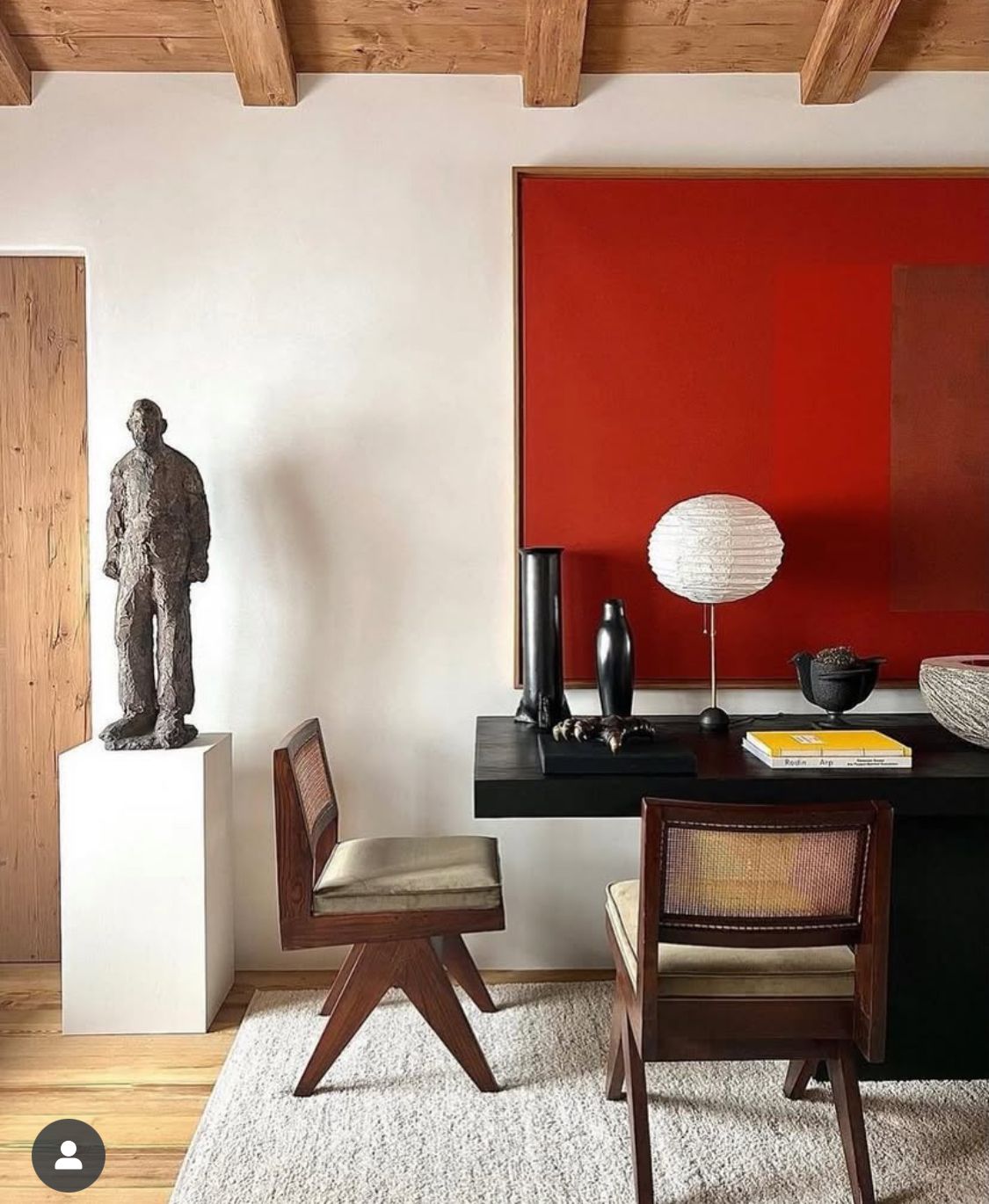
1. The Pierre Jeanneret chairs from the Chandigarh Project
Designed between 1955 and 1965 for the administration of Chandigarh, in India. Auctioned at Phillips, Christie's, Wright. Between 4,000 and 18,000 euros apiece depending on condition. Recognisable by the V-shaped compass legs, the solid teak, the taut caning. No label signs them. You have to know they exist to look for them.
2. The Noguchi Akari lamps, the real ones
The trap: 90% of the Akari sold online are counterfeits. The genuine one bears a red stamp Akari · Ozeki · Made in Japan under the base. Hand-made in Gifu since 1951 by Ozeki & Co. Count 280 euros for a simple pendant, 1,200 for a floor lamp. Sold at Vitra, the Conran Shop, or directly through the Isamu Noguchi Foundation.
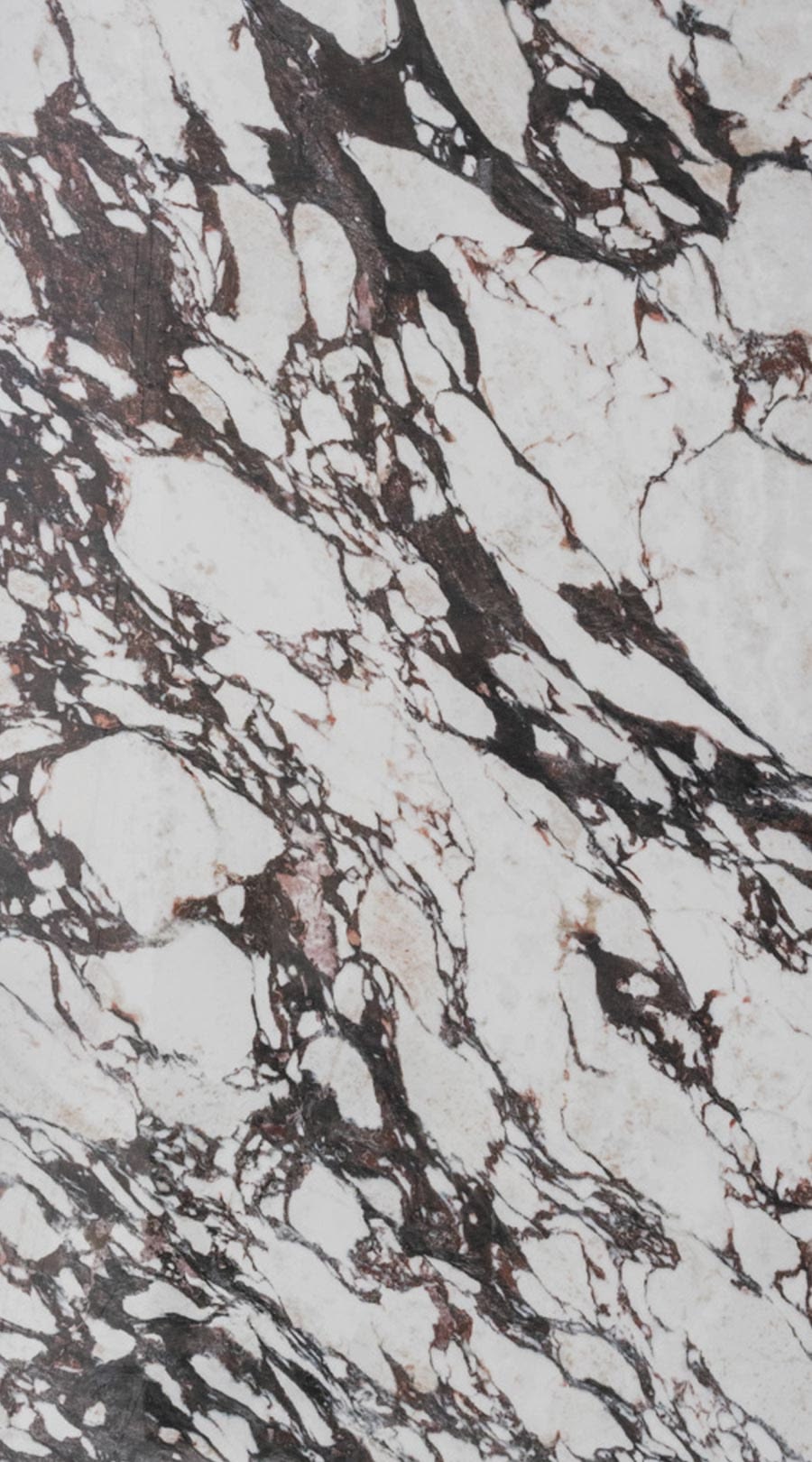
3. Calacatta Viola, not Calacatta Gold
The marble of the moment, but only in its Viola version — purple-burgundy veins on an off-white ground, quarried from a single seam in Carrara. The Gold (golden veins) is everywhere; the Viola is in three kitchens in Paris. Count 480 euros per square metre at Marbrerie Lecat in Ivry, against 280 for the Gold.
4. Casa Branca's heavy linen, against Ikea linen
On camera, they both hang the same. In the hand, one weighs 380 grams per square metre, the other 140. The Casa Branca curtain holds its shape for fifteen years. The Ikea sags in two. 240 euros a running metre against 18. Through a lens, no one sees the difference — which is exactly the problem.
5. The Astier de Villatte ceramics
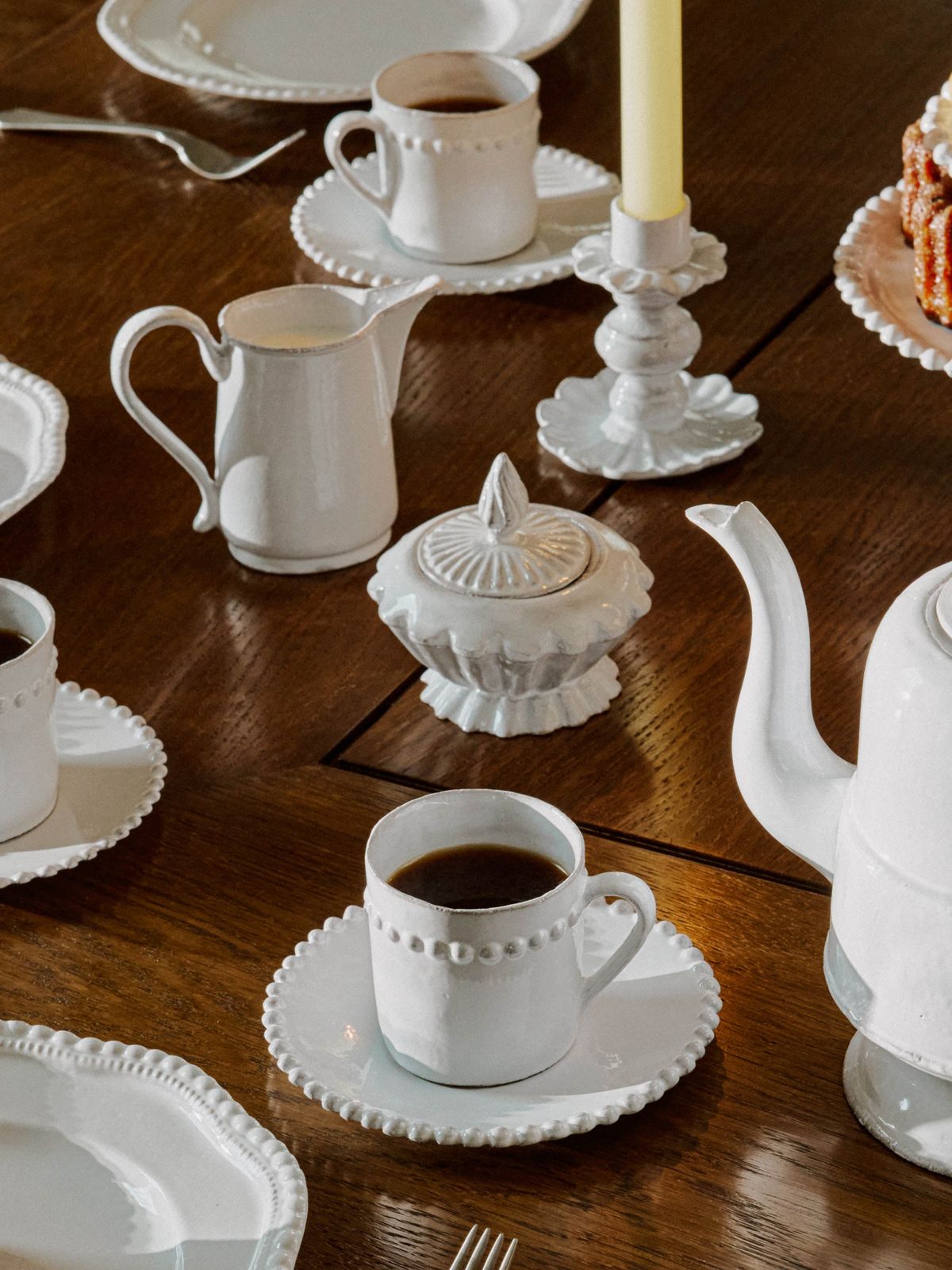
Seen on every styled table for the last five years. Made on rue Saint-Honoré by some twenty craftsmen. Recognisable by the black clay that bleeds through the crackled white glaze. A flat plate: 95 euros. A full service for eight: 3,600. No legible signature — just a small embossed stamp on the underside.
What it changes
Luxury no longer shows itself because it has given up on being seen. Its new address is knowledge — the gap between what you look at and what you can name. A trainee's flat with a genuine Cherner chair found for 200 euros visually crushes a four-million-euro apartment filled with expensive dupes. The first proves an eye. The second proves only a bank account.
The daily scroll produces thousands of objects identifiable by only 3% of the people scrolling. The remaining 97% save the image, pin the moodboard, and will never go further. Not for lack of desire. For lack of vocabulary.
It is this lack of vocabulary that now defines the hierarchy. The luxury of 2026 is won at the margins — in the detail nobody identifies unless someone gives them the name.
One photo, every piece identified.
Your room, a shop window, an inspiration screenshot: send the photo, we find the pieces and their alternatives at every price.
On iPhone, the app does the same from your camera.
The pieces, at your budget.
Every piece mentioned, with its alternatives — from vintage to dupe.



Gallery
4 images