
Danish Modern: The Pieces, the Book, the Album, the Film
Wegner, Jacobsen and teak sideboards from 1940 to 1970: the prices, the book of chairs, Jan Johansson, Festen and Finn Juhl's house.
2 MIN · 5 OBJECTS IDENTIFIEDFrom 1940 to 1970, Denmark led the world in furniture, with a school of cabinetmakers (Wegner, Juhl, Mogensen, Kjærholm) and one architect (Jacobsen). Teak, oak and cane, visible joinery, not a single ornament: Danish furniture was conceived for a 60 m² flat. It is the style everyone has been copying ever since.
The pieces
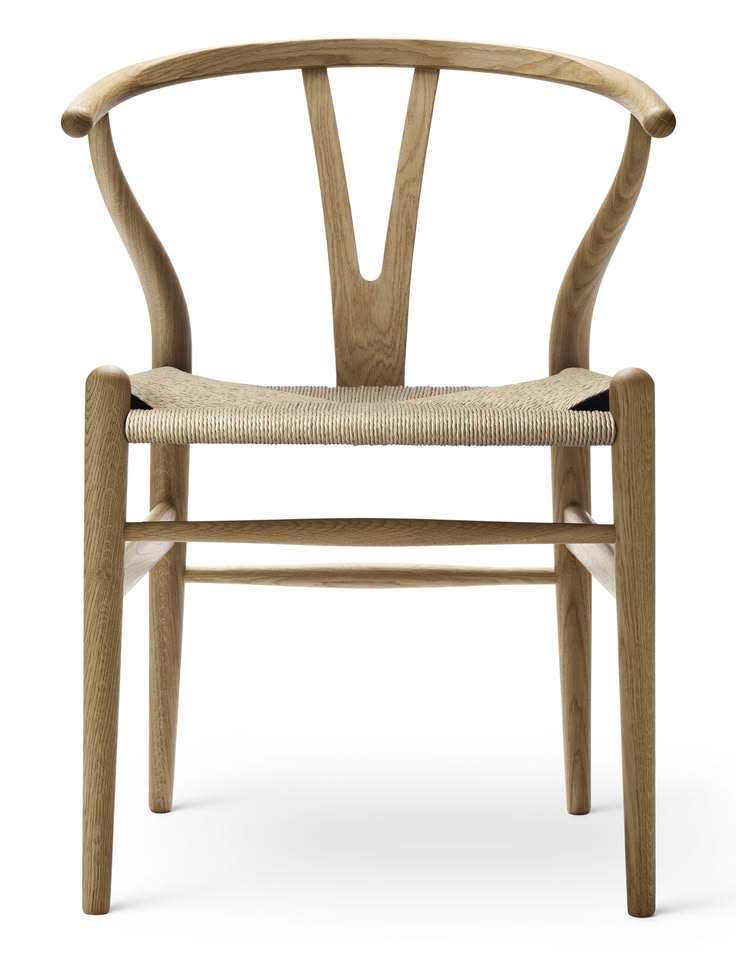
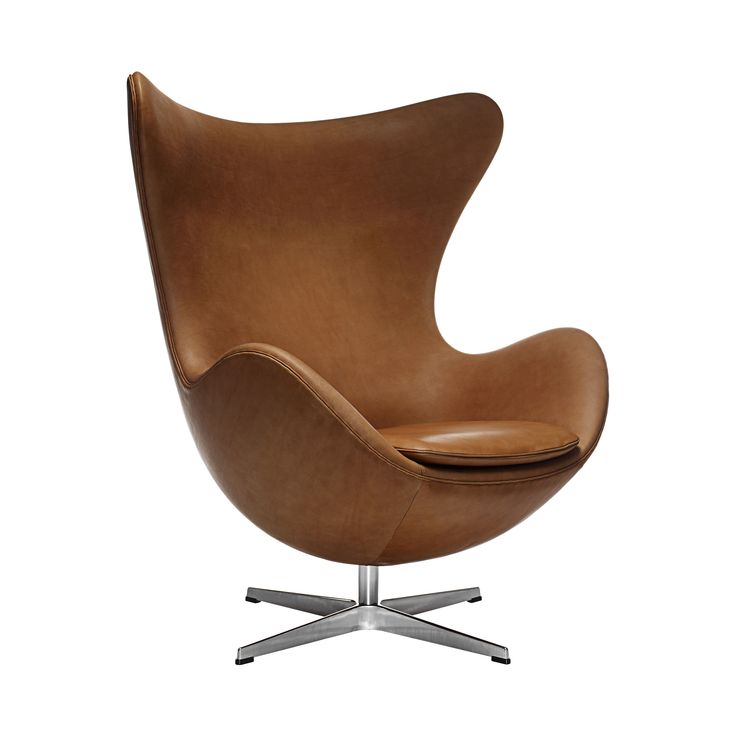
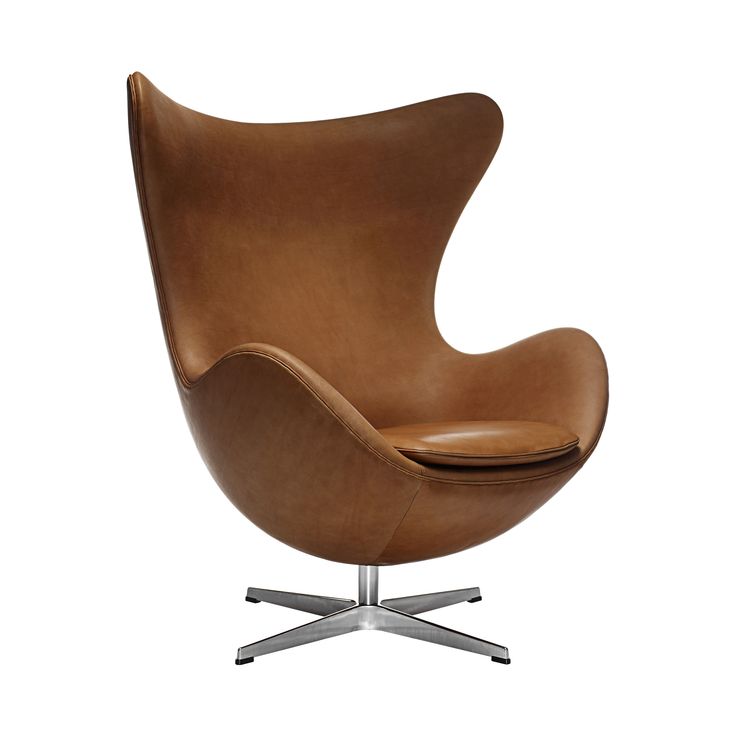
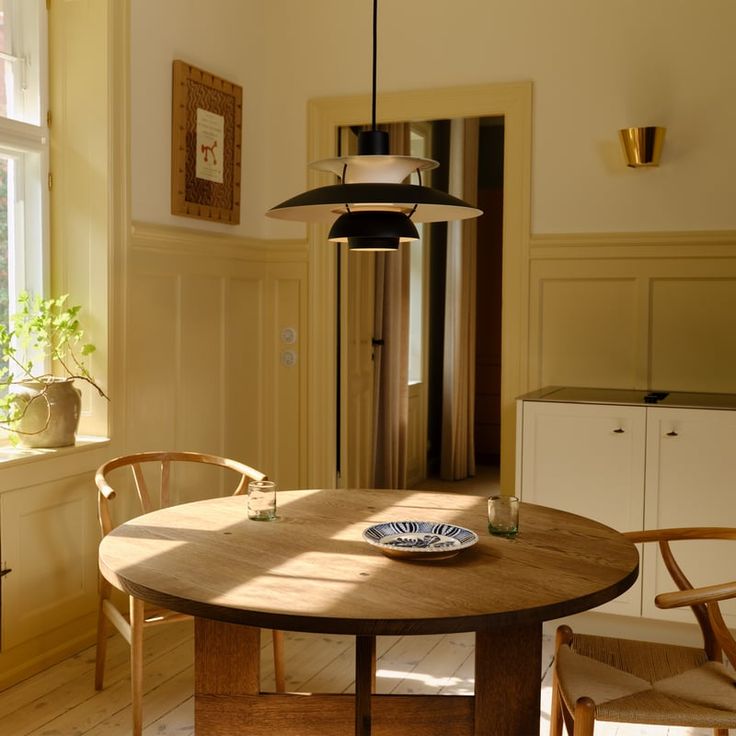
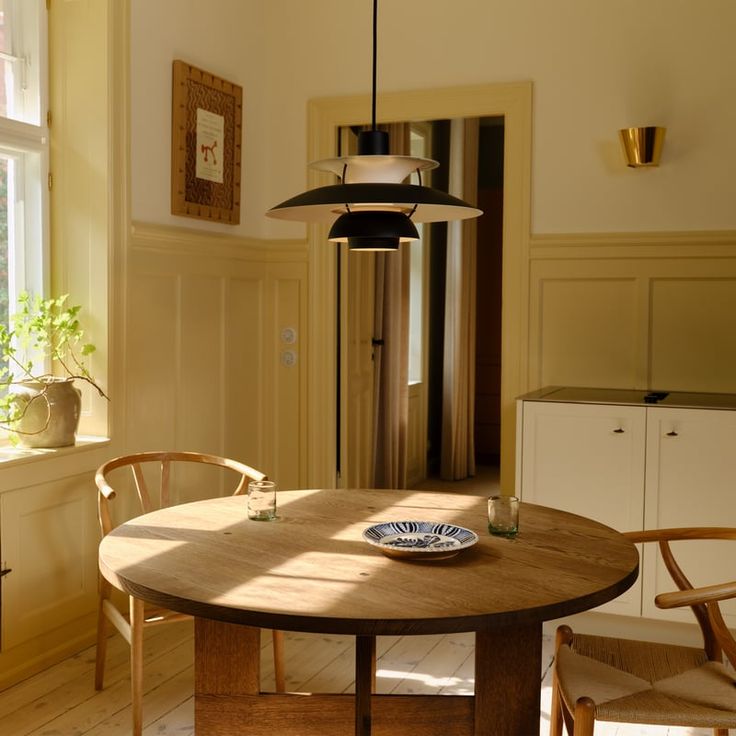
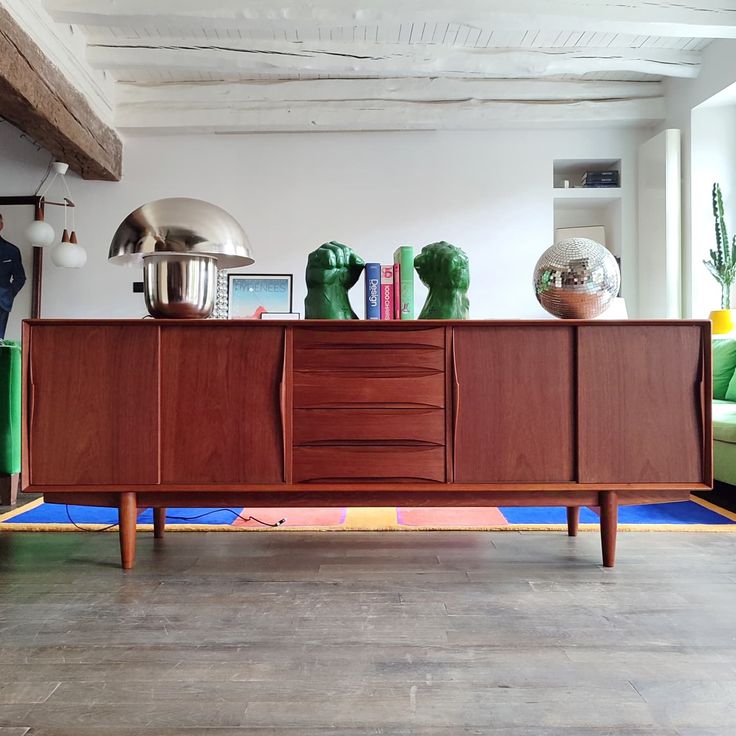
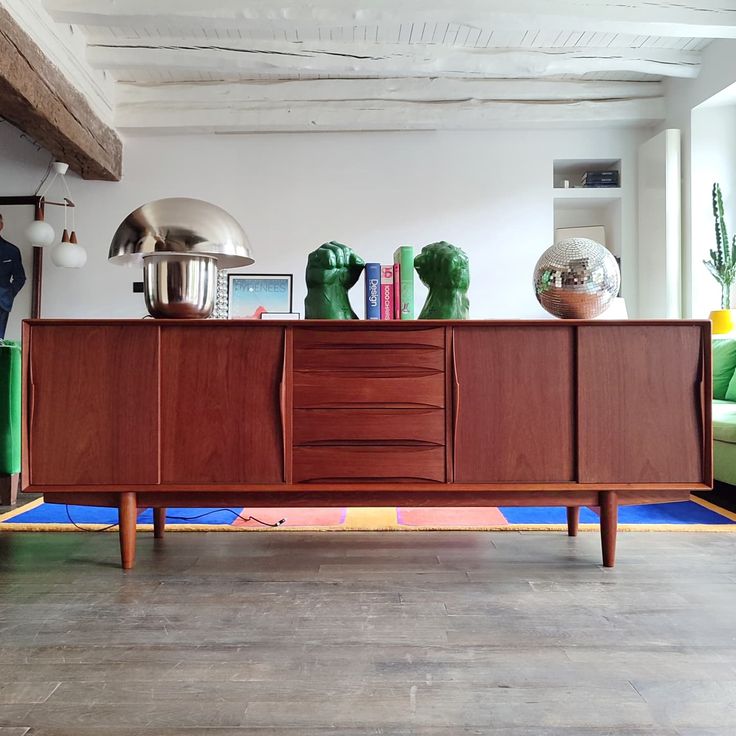
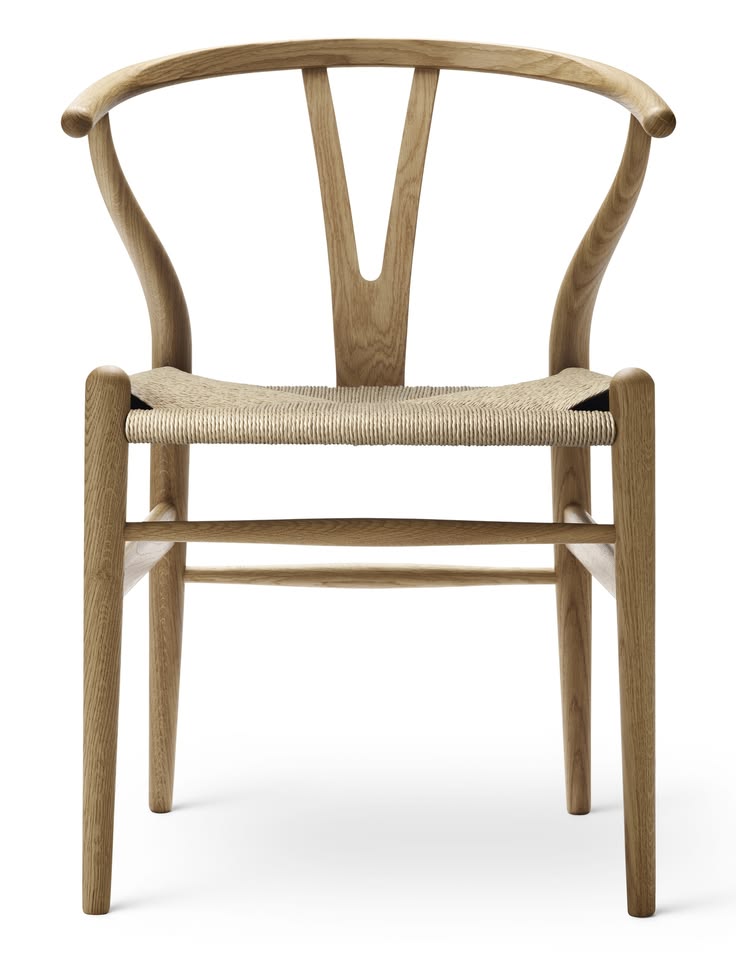
Hans Wegner's Wishbone CH24 (Carl Hansen & Søn, 1950), soaped oak and a paper-cord seat: between €600 and €900 new, between €300 and €600 vintage. Arne Jacobsen's Egg (Fritz Hansen, 1958): from €7,000 new in fabric, between €3,000 and €6,000 for an authenticated vintage example. A teak sideboard by Arne Vodder for Sibast or by Ib Kofod-Larsen, between €1,500 and €4,000. The Wishbone and the Egg have each had their own Scan on Beyit, copies included.
The book
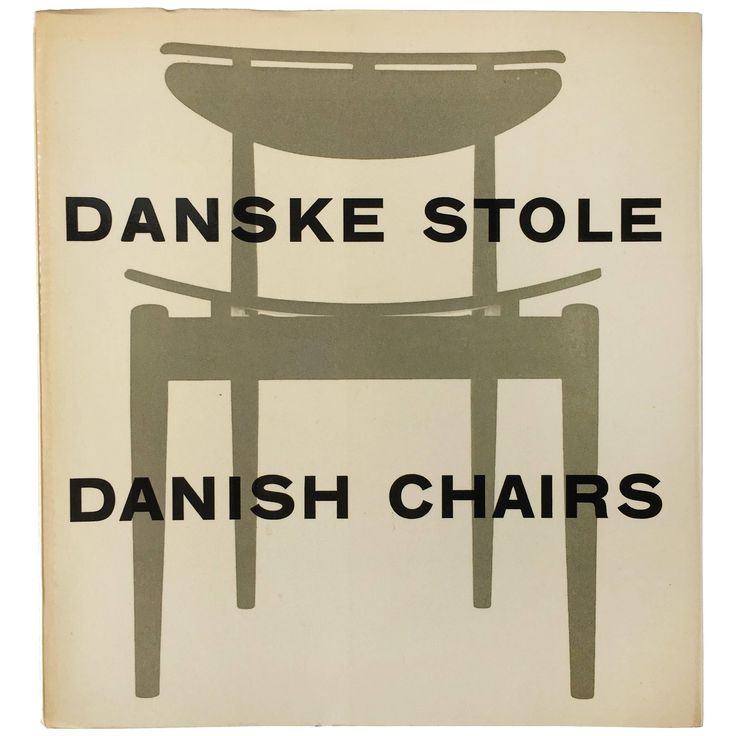
“Danish Chairs” by Noritsugu Oda, chair by chair, drawn and measured by a Japanese collector. For a complete interior, “Finn Juhl and His House” (Hatje Cantz).
The album
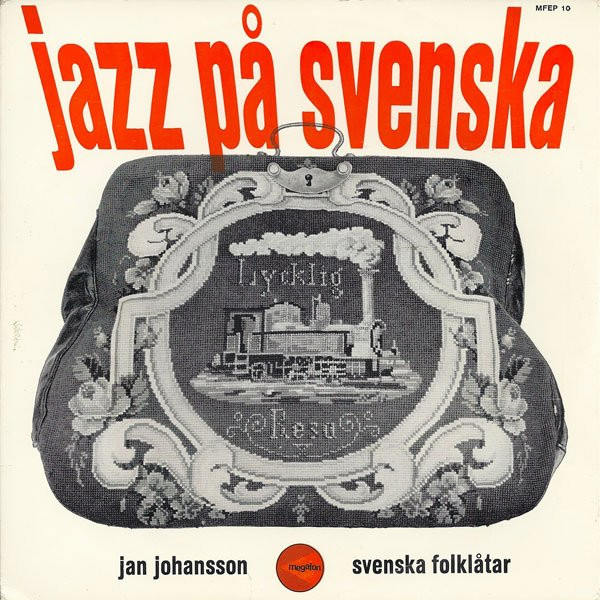
“Jazz på svenska” by Jan Johansson (1964). The pianist is Swedish, but this record of folk songs played by a trio is the one that spins in every Nordic sitting room: slow, woody, without bravado. It is teak set to music.
The film
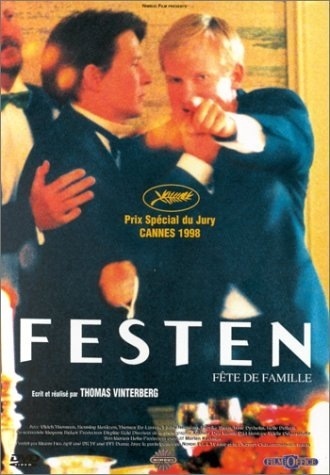
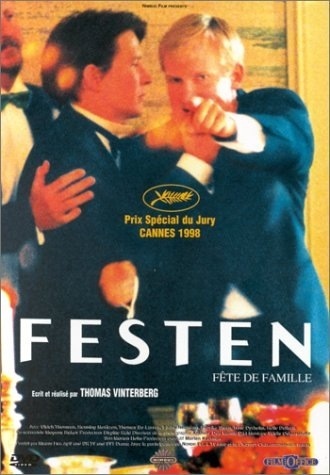
“Festen” by Thomas Vinterberg (1998): a Danish family manor filmed with a handheld camera, where you catch sight of the furniture of a bourgeoisie that bought new design in the 1960s. For today's interiors, the series “Borgen” (2010) shows how Copenhagen still lives with these pieces.
The palette and the materials
Teak, soaped oak, grey wool, natural leather; a single clear colour, a yellow or a blue, on a cushion or an armchair. The light comes from a layered-shade pendant, Poul Henningsen's PH5, to which we devoted a Scan. To get there: pale wood, matt fabrics, an emptiness on the floor.
The address
Copenhagen, the Designmuseum Danmark and its tunnel of chairs. In Ordrup, north of the city, Finn Juhl's house (1942), in the grounds of Ordrupgaard, can be visited furnished exactly as he left it: we devote a Carnet to it and, in January, an Open House.
Spotted a chair or a sideboard in this spirit? Scan it on Beyit: the maker, the era, the price — and the affordable piece it inspires.
One photo, every piece identified.
Your room, a shop window, an inspiration screenshot: send the photo, we find the pieces and their alternatives at every price.
On iPhone, the app does the same from your camera.
The pieces, at your budget.
Every piece mentioned, with its alternatives — from vintage to dupe.


Gallery
12 images