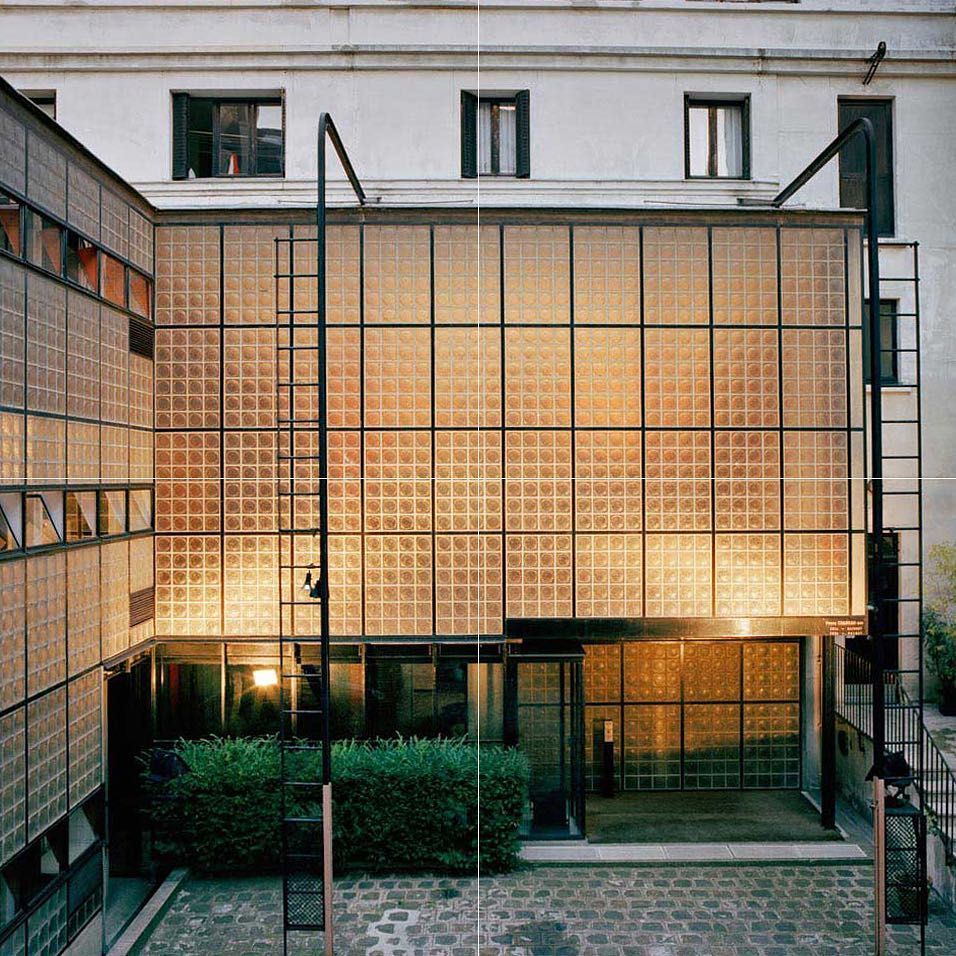

Pierre Chareau's Maison de Verre, 1932
Behind a courtyard in the 7th arrondissement, an entire house of glass brick and steel. The manifesto that brought clear glass and industrial materials into the home.
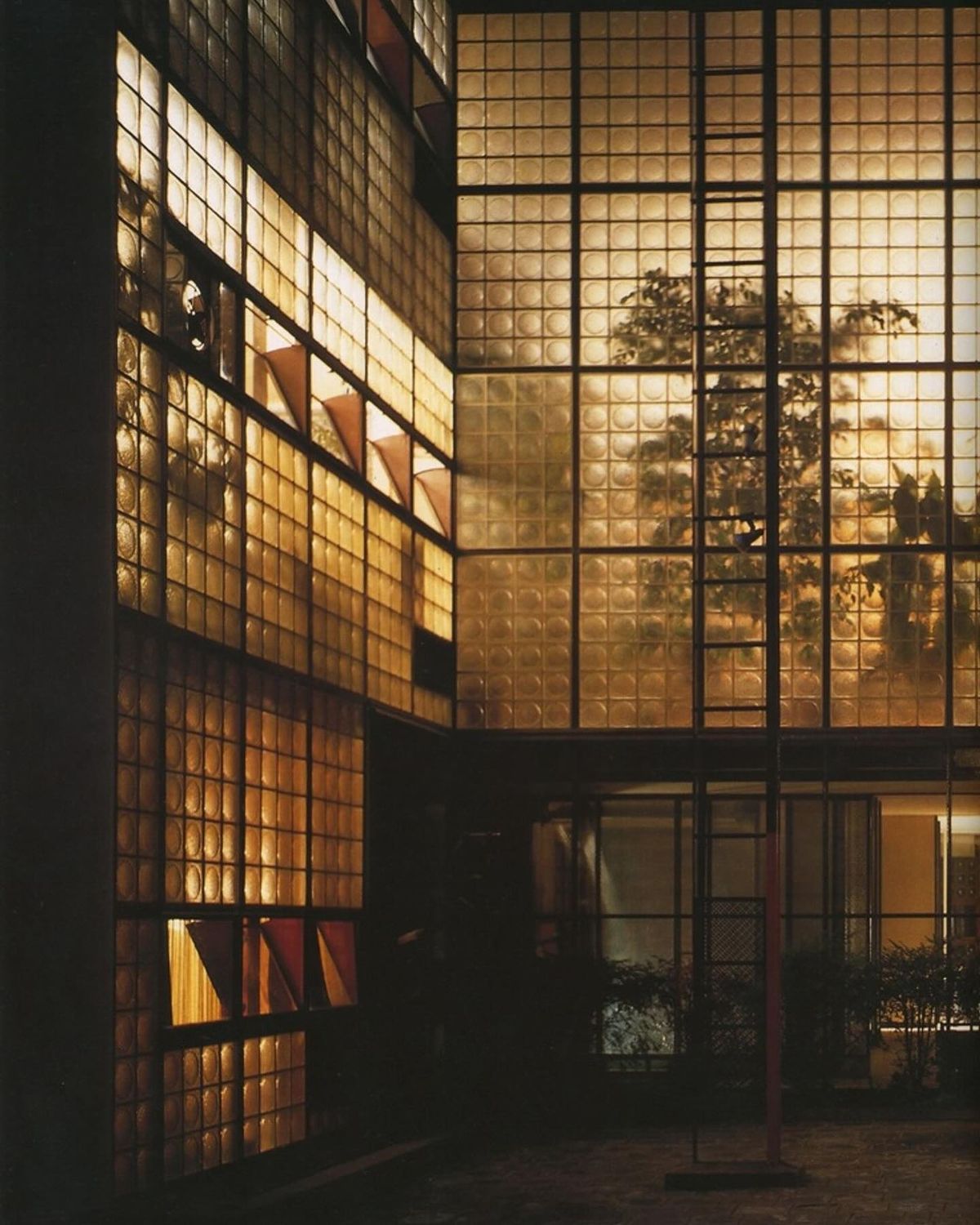
1 MIN · 25 June 2026At the far end of a courtyard on the rue Saint-Guillaume, in Paris, an entire façade made of glass block. Built between 1928 and 1932 by Pierre Chareau with the architect Bernard Bijvoet, the Maison de Verre is one of the most radical interiors of the twentieth century — and the birth certificate of clear glass in the home.
A house-machine
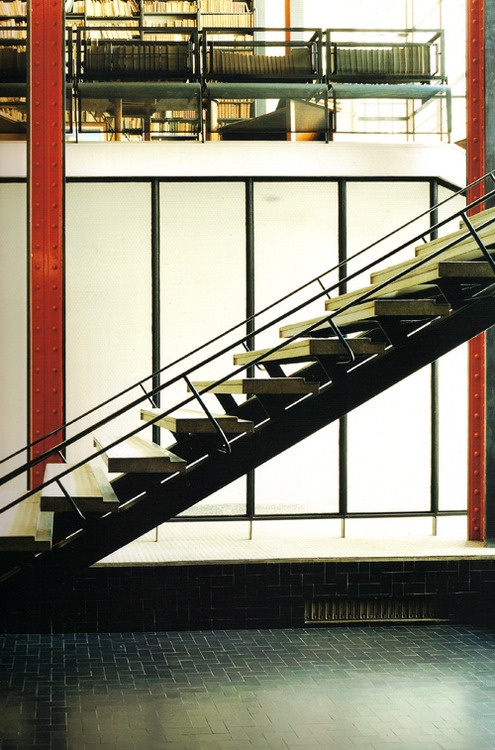
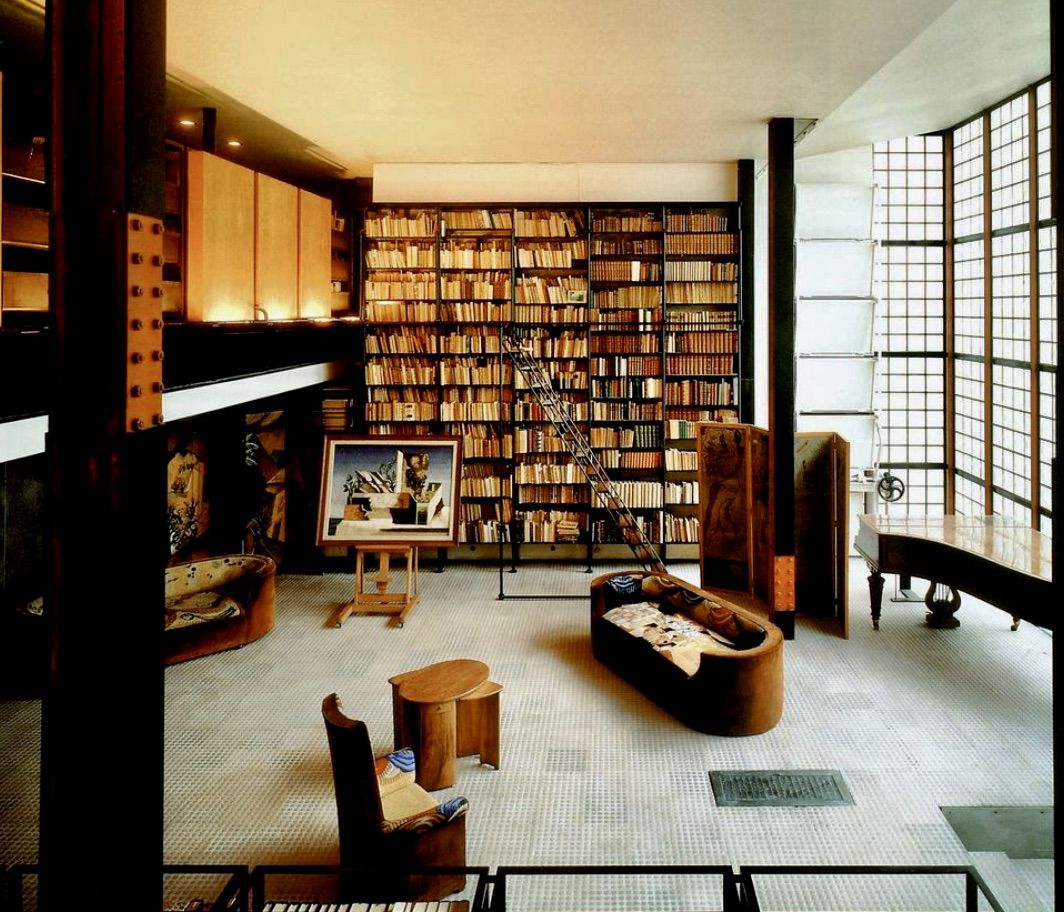
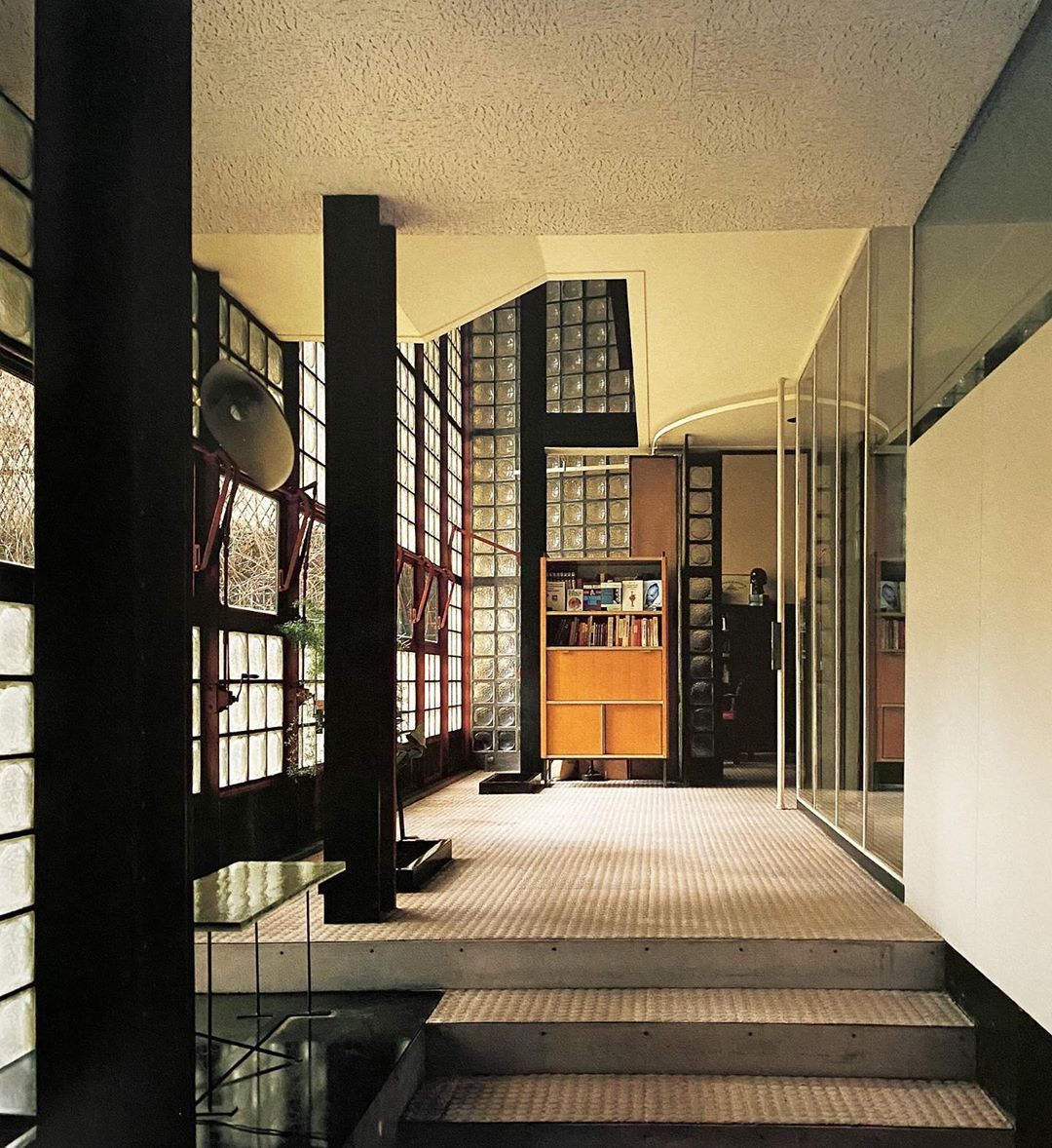
A commission from Doctor Dalsace: a medical practice on the ground floor, an apartment above. Chareau devised an exposed steel structure, movable partitions, retractable staircases, pivoting storage. Everything moves, everything adjusts — industry in the service of the intimate, thirty years ahead of everyone else.
Glass as a wall
The wall of glass block filters daylight into a milky, even sheet, and glows from within at night. No facing neighbours, no curtains: light becomes a building material. It is the opposite of the smoked glass of the 2010s — a deliberate, demanding transparency.
Visiting it
Still lived in and private, it can only be visited by appointment, in very small groups — one of the most coveted architecture tours in Paris. Best to book months in advance.
Its influence today
The return of clear glass, of domesticated industrial materials (steel, exposed rivets), of screen-like partitions: it all comes from here. When a contemporary interior owns its structure rather than hiding it, it quotes Chareau without knowing it.
Spotted a detail, a lamp, a partition? Beyit works back from the image to the piece — and to where to find it.
One photo, every piece identified.
Your room, a shop window, an inspiration screenshot: send the photo, we find the pieces and their alternatives at every price.
On iPhone, the app does the same from your camera.
Gallery
4 images