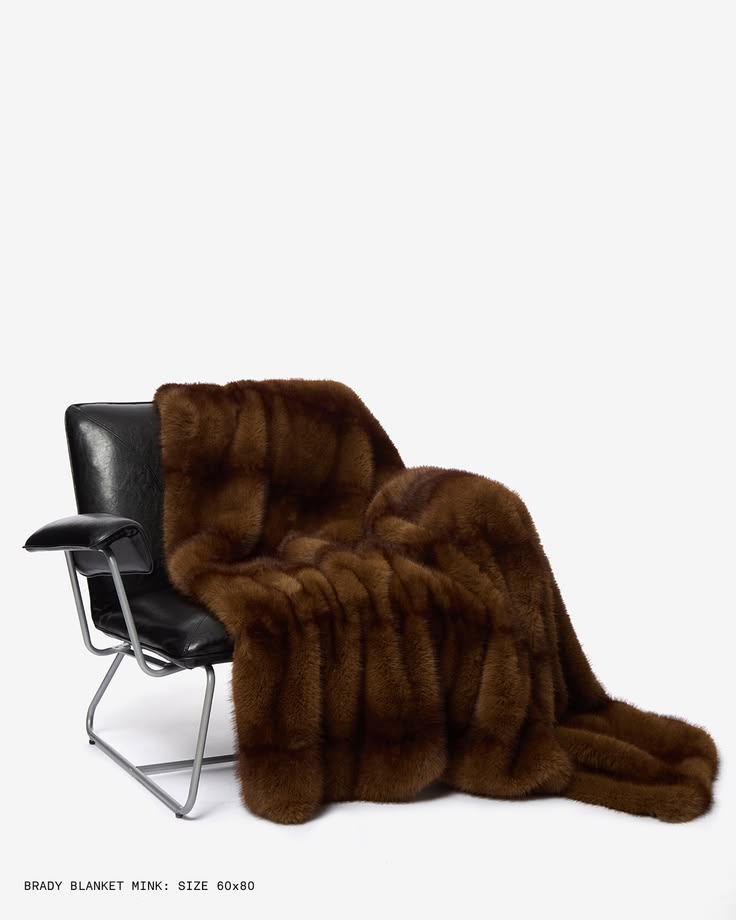

Throws: wool, mohair, cashmere — winter on the sofa
Virgin wool, mohair, cashmere, alpaca or waffle cotton: the feel, the label and the weight that set apart a throw that lasts, and what it is fair to pay.
1 MIN · 5 OBJECTS IDENTIFIEDThe throw is the thing we buy fastest in November and regret fastest too: chosen for its colour, judged by its feel. The fibre is everything, and it reads in the hand as clearly as on the label.
Five fibres, five hands
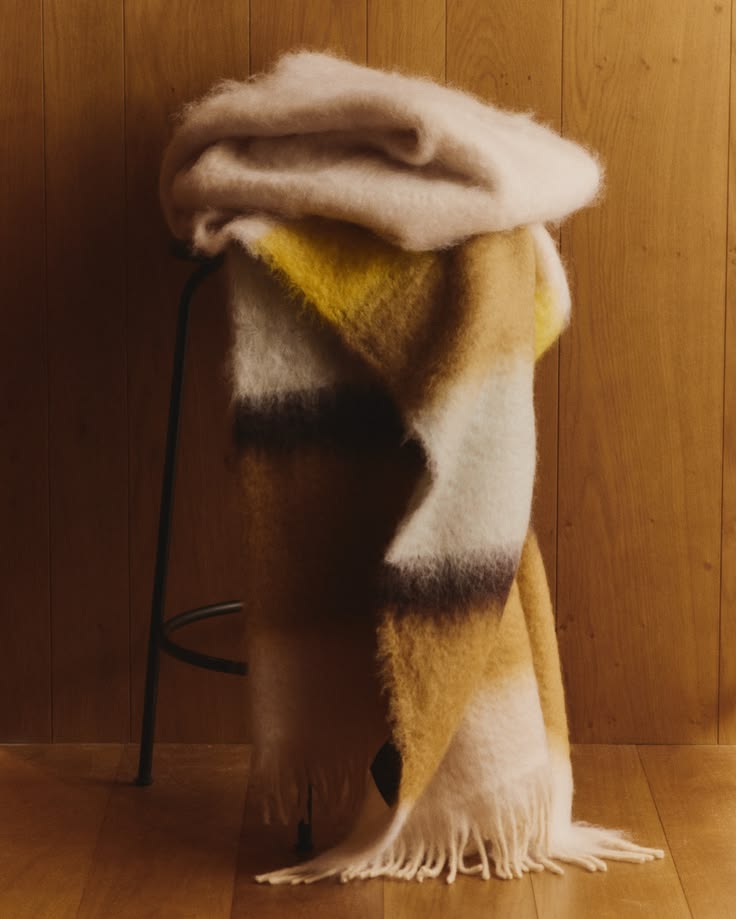
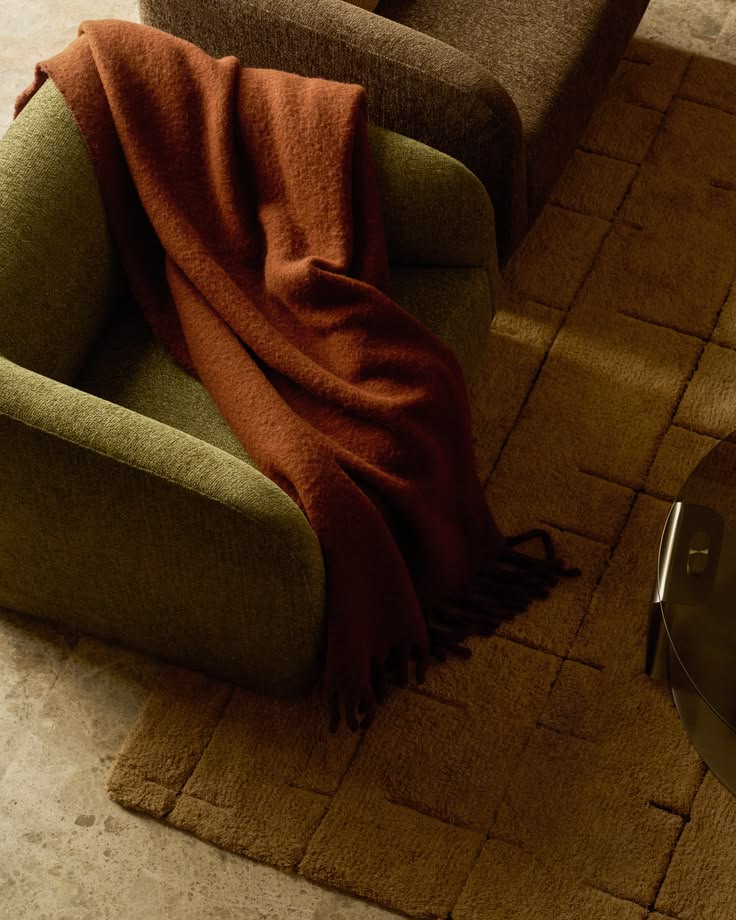
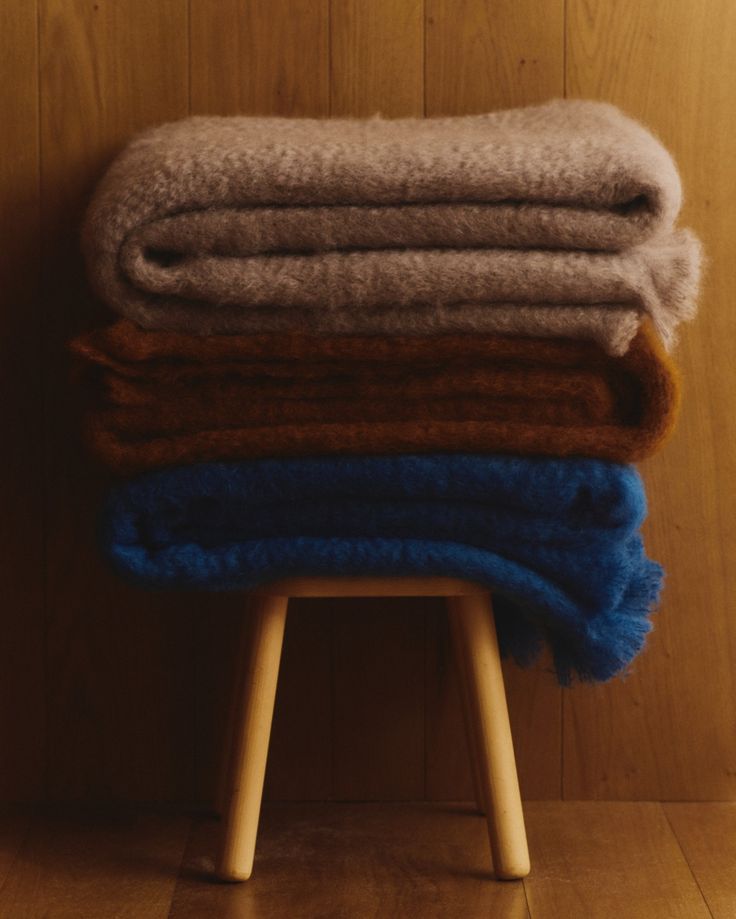
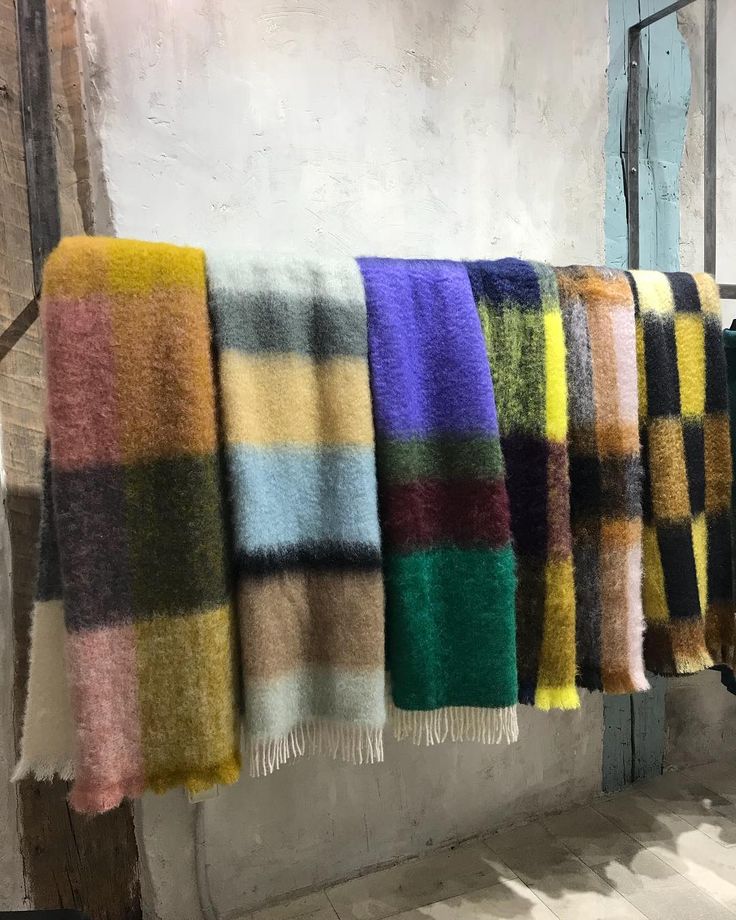
Virgin wool is warm, heavy, a little dry, and it improves with age; “virgin” means never recycled. Mohair, the hair of the angora goat, is light, lustrous, warm without weight. Cashmere is fine, soft, dear and fragile: it pills and holes up if moths get in. Alpaca is silky, dense, free of lanolin. Waffle cotton gives no warmth but goes in the machine.
Reading the label and the weight
An honest throw states its composition as a percentage; be wary of a “cashmere feel” with no figure, which often hides a majority of acrylic. A wool throw of roughly 130 by 180 cm weighs between 600 grams and a kilo; below that the weave is loose and it will slide off. The historic mills, in the Scottish Borders, Irish Donegal, the Pyrenees or Scandinavia, still weave in local wool and sign with a woven label, not a printed one.
Care and price
Wool, mohair and cashmere are washed by hand, cold, without wringing, and dried flat. Reckon on a few tens of euros for cotton, one to two hundred for good wool, several hundred for a mill cashmere or mohair. We have already spoken of Berber throws and foutas; here, only winter counts.
Spotted a throw on a sofa? Scan it on Beyit: mill, fibre, market value.
One photo, every piece identified.
Your room, a shop window, an inspiration screenshot: send the photo, we find the pieces and their alternatives at every price.
On iPhone, the app does the same from your camera.
The pieces, at your budget.
Every piece mentioned, with its alternatives — from vintage to dupe.


Gallery
4 images