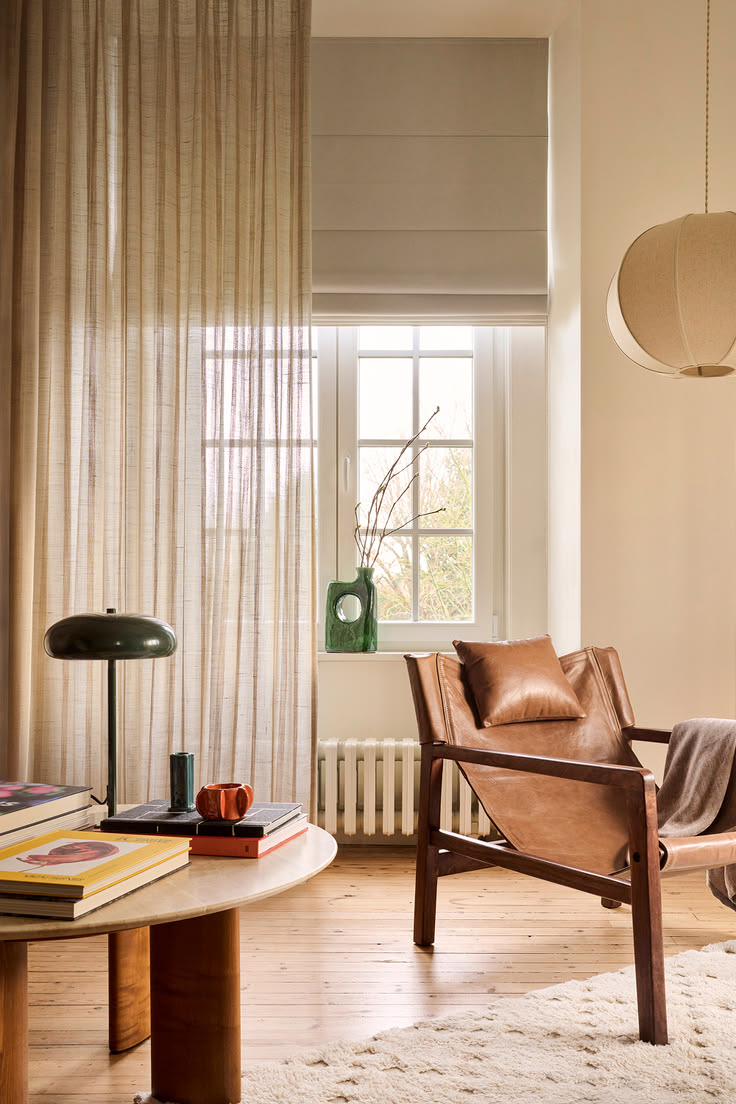
Interior blinds: the guide to choosing without going wrong
Roller, Venetian, Roman, day-and-night: each blind has a precise job. Light, privacy, budget — the guide to deciding room by room.
1 MIN · 1 OBJECT IDENTIFIEDThe blind is the curtain's discreet relative: less fabric, more precision. Still, you have to choose the right mechanism — each filters light in its own way, and none suits every room.
The four families
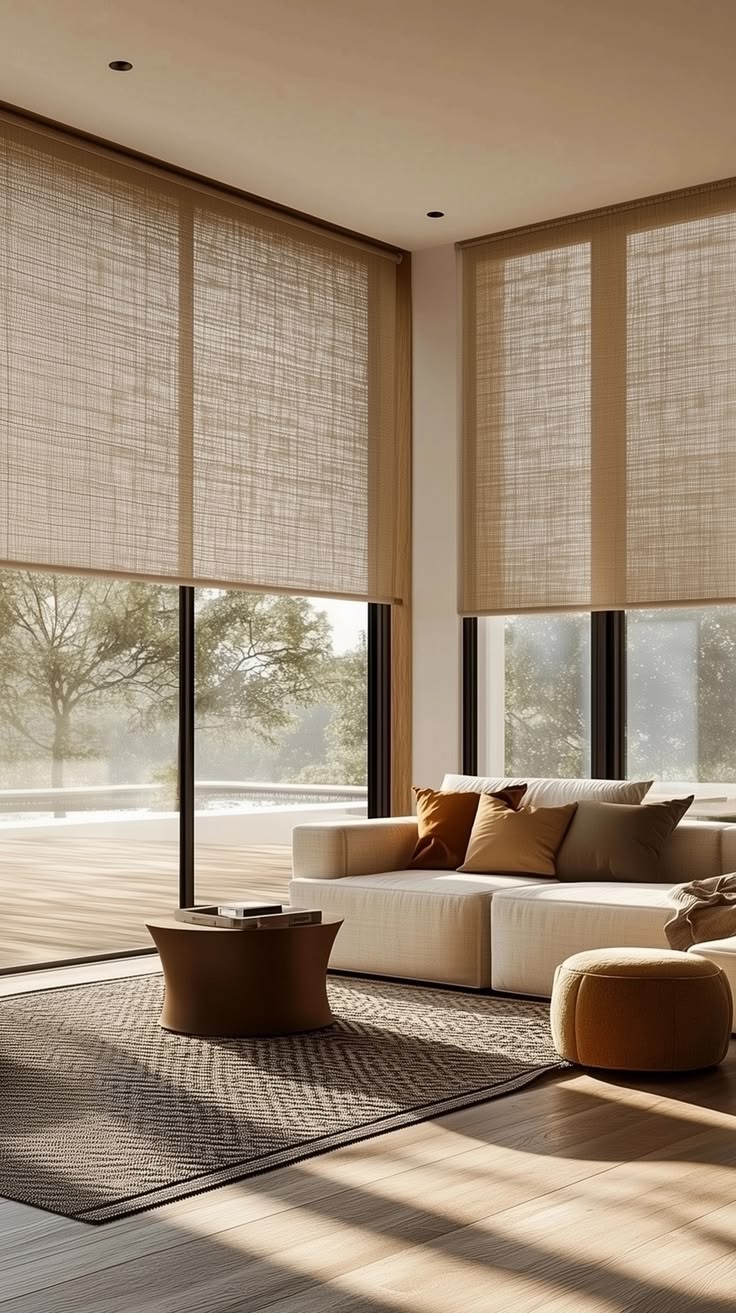
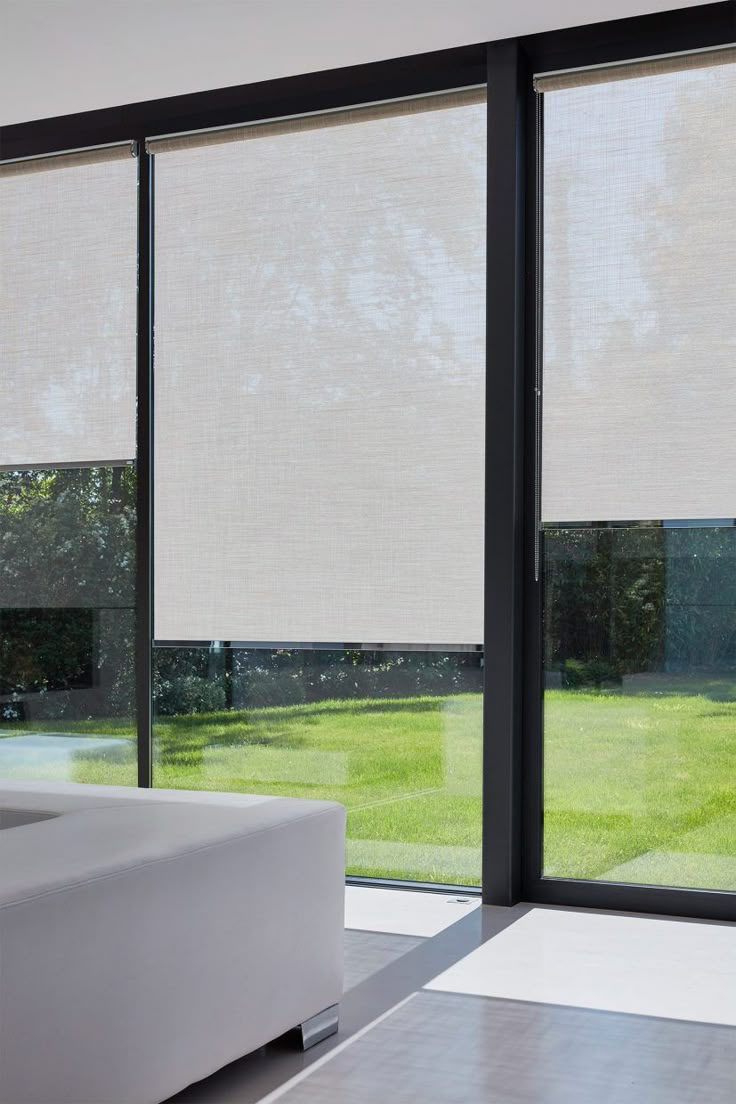
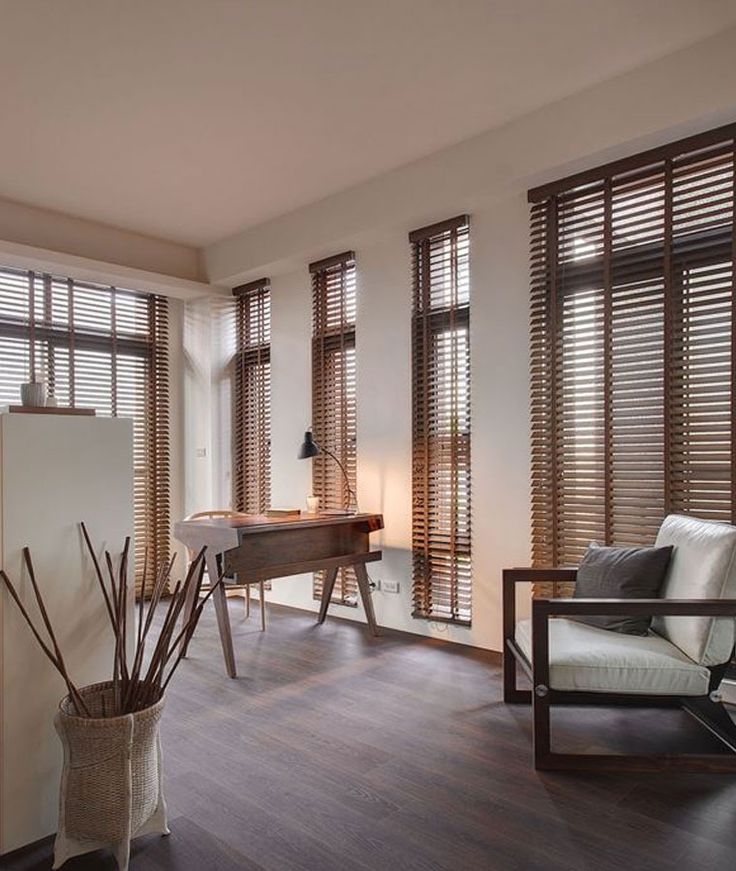
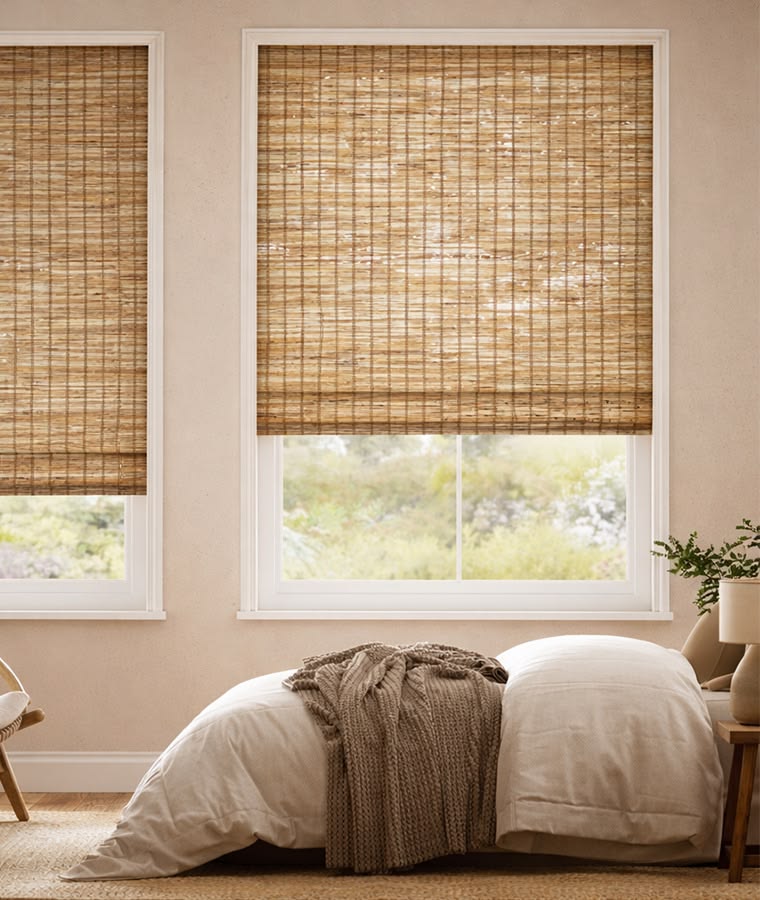
The roller blind is the plainest: a cylinder, a length of cloth, a single gesture. In its filtering version it softens the light; in its blackout version it puts a bedroom to sleep. The Venetian — tilting slats, aluminium or wood — is the only one that adjusts the light without closing: the tool of the office and the workroom. The Roman blind folds the fabric into horizontal waves and warms up classic interiors. The day-and-night, finally, alternates opaque bands and sheer voiles: halfway between a net curtain and a solid blind.
Room by room
Bedroom: blackout, fitted as close to the glass as possible, with ten centimetres of overhang on each side to block stray light. Living room: filtering or day-and-night, light before privacy. Kitchen and bathroom: washable materials, aluminium or polyester, never solid wood above a sink.
The details that raise the game
No-drill fitting holds on PVC windows and saves rentals. Motorisation, long a gadget, has become affordable and transforms life on large picture windows. And the golden rule: measure three times, to the millimetre — a blind a centimetre too short shows every single day.
Spotted a blind at someone's place? Photograph it and scan it on Beyit to find the equivalent.
One photo, every piece identified.
Your room, a shop window, an inspiration screenshot: send the photo, we find the pieces and their alternatives at every price.
On iPhone, the app does the same from your camera.
The pieces, at your budget.
Every piece mentioned, with its alternatives — from vintage to dupe.

Gallery
4 images