
The most famous design pendant lights, from the PH5 to the Vertigo
PH5, Vertigo, Caravaggio, Bocci… The pendants that defined the light above the table, their stories and alternatives at every price.
2 MIN · 5 OBJECTS IDENTIFIEDThe pendant decides everything: it anchors the table, sets the scale, signs the whole room. From Henningsen's optical calculus to Constance Guisset's parasol, seven lights that inhabit the height — including two mavericks that hang on their own terms.
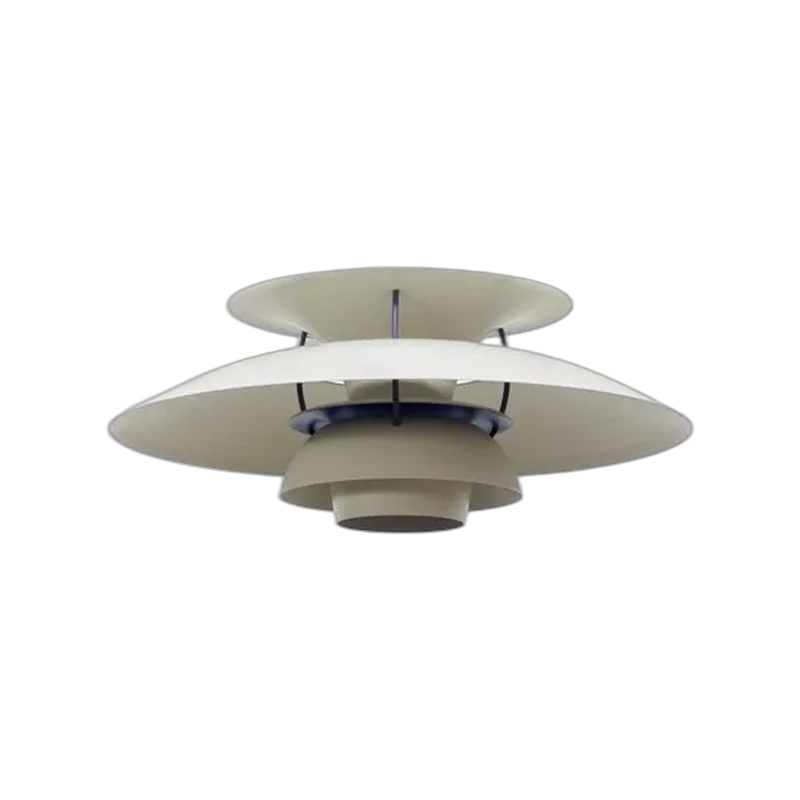
1. The PH5 — Poul Henningsen, 1958
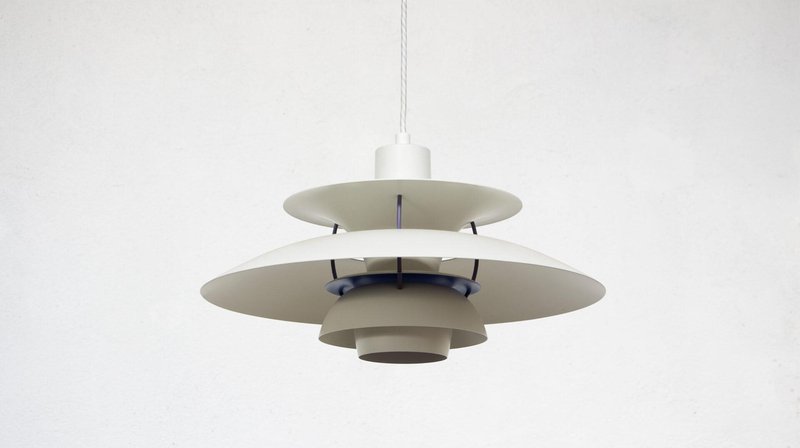
Henningsen designed the PH5 so that no bulb, whatever its kind, would ever hurt the eye: tiered, calculated shades that redistribute every ray. The five stands for the fifty centimetres of its diameter — hanging above half the tables in Denmark since 1958. See the original and its alternatives →
2. The Vertigo — Constance Guisset, 2010
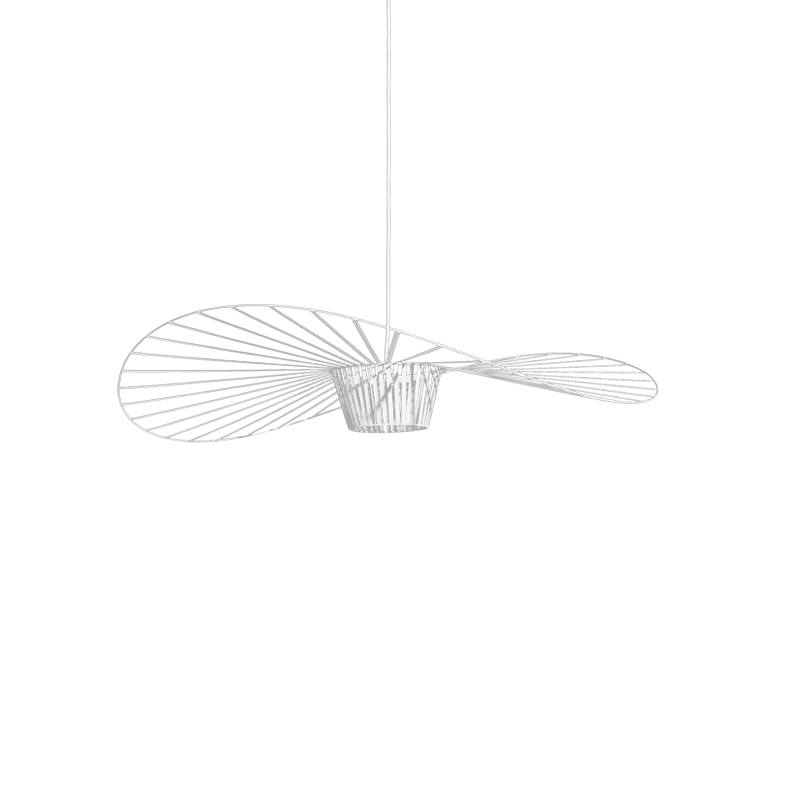
A giant parasol of fibreglass and polyurethane ribbon, so light it ripples at the slightest draught. Guisset wanted it to be as much a den as a lamp: beneath it, the room suddenly has an inside. A Petite Friture icon from its release, and now in the MoMA. See the original and its alternatives →
3. The Caravaggio — Cecilie Manz, 2005
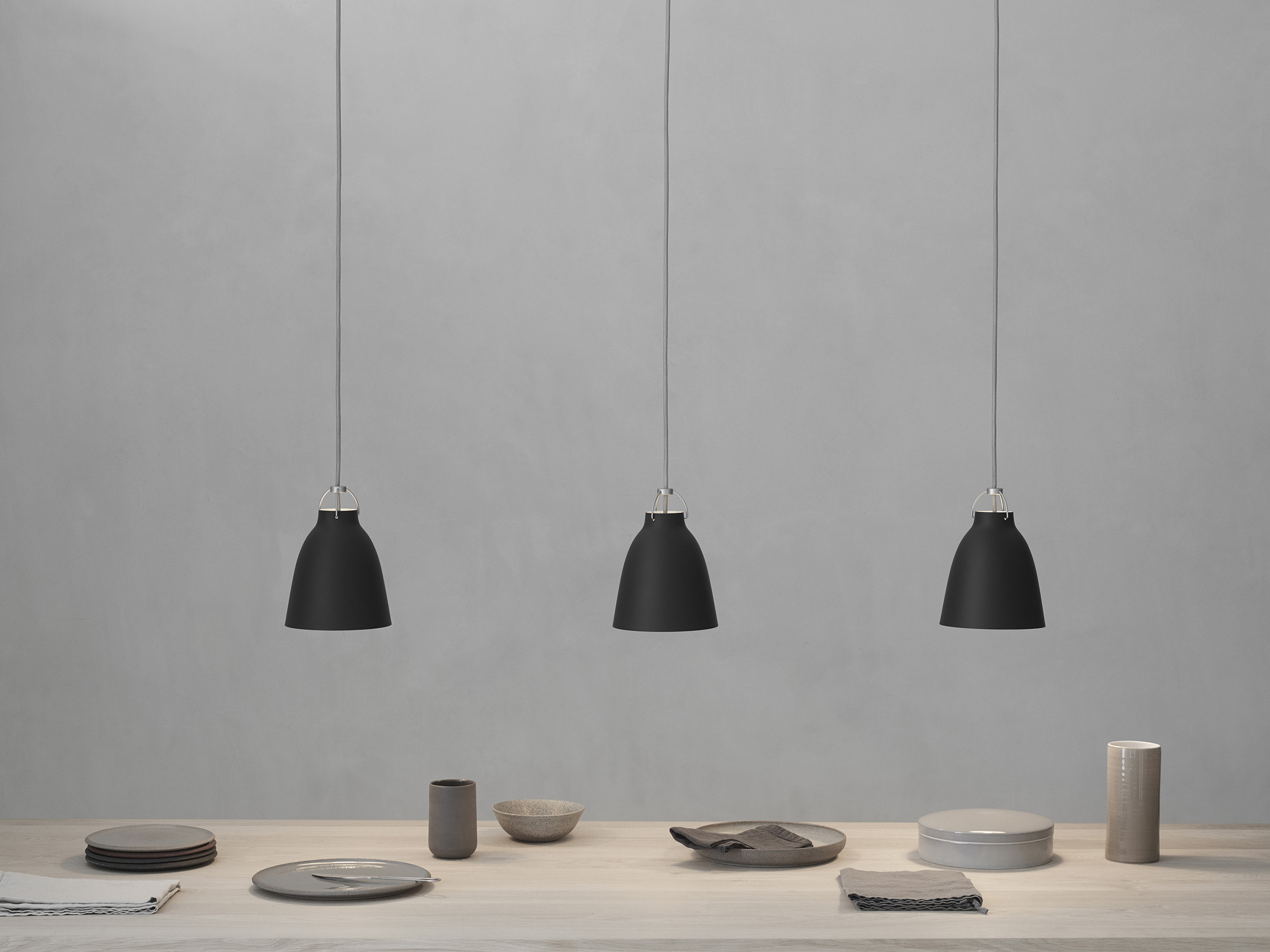
A bell of glossy lacquered steel, drawn taut like a drop, with a high slit that lets a little light escape towards the ceiling. Designed by Cecilie Manz in 2005, it passed from Lightyears to Fritz Hansen: Danish classicism has never stopped producing. See the original and its alternatives →
4. The Bocci 14 — Omer Arbel, 2005
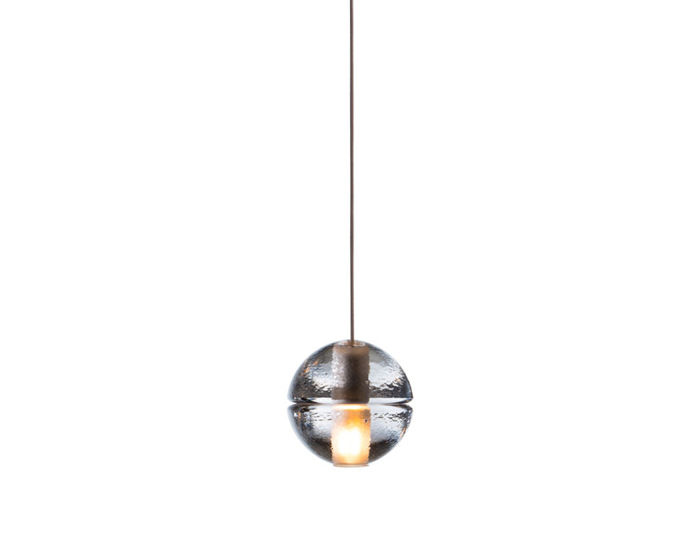
A sphere of cast glass, clouded like a river pebble, around a diffusing core. The first work of Vancouver's Bocci studio, born in 2005 and since multiplied into clusters in stairwells the world over. See the original and its alternatives →
5. The Viscontea — Achille & Pier Giacomo Castiglioni, 1960
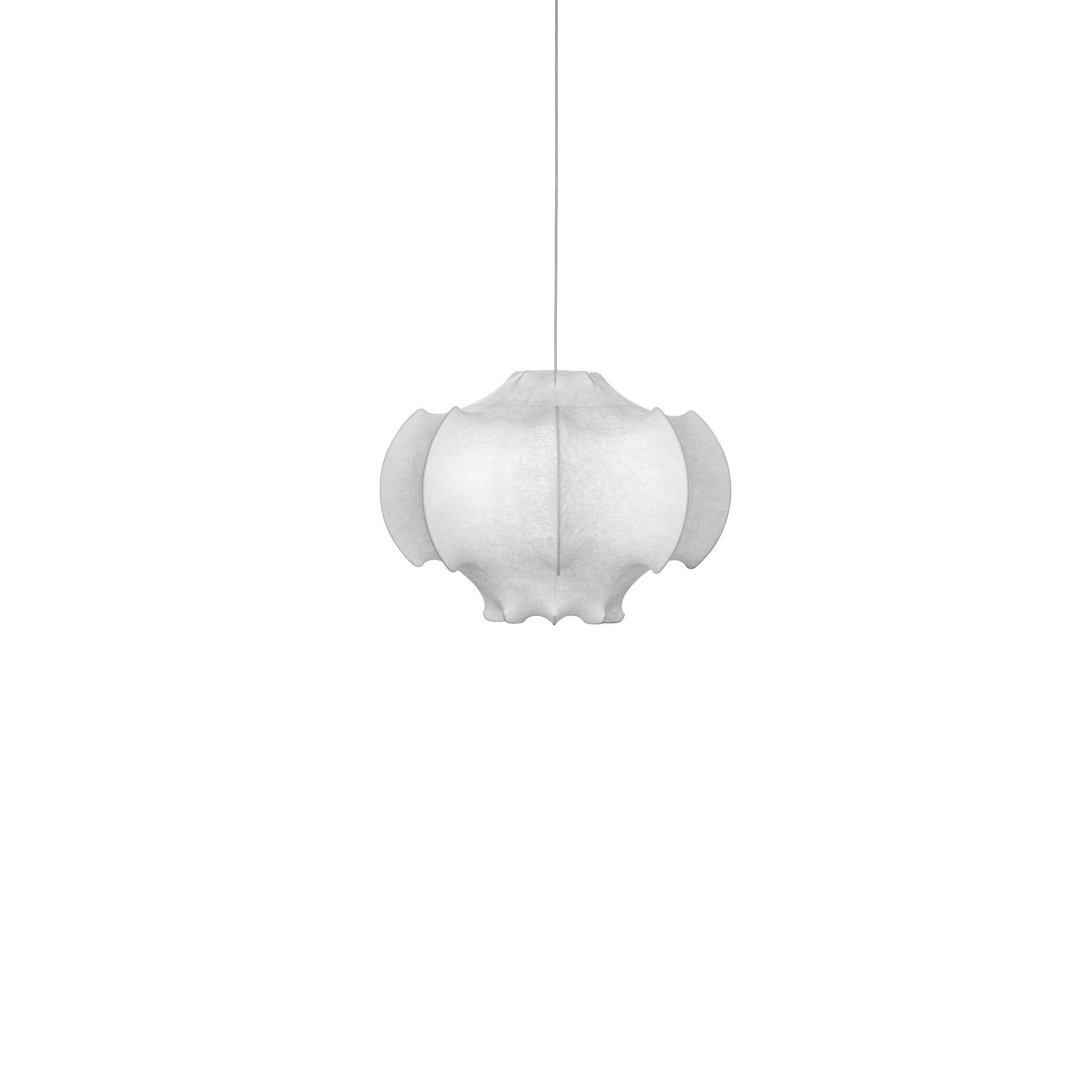
A cocoon of polymer sprayed onto a steel cage, a technique imported from America: the light arrives as if through a cloud. Designed in 1960, at the very start of the Flos adventure — proof that material can precede form. See the original and its alternatives →
6. The Nesso — Giancarlo Mattioli, 1967
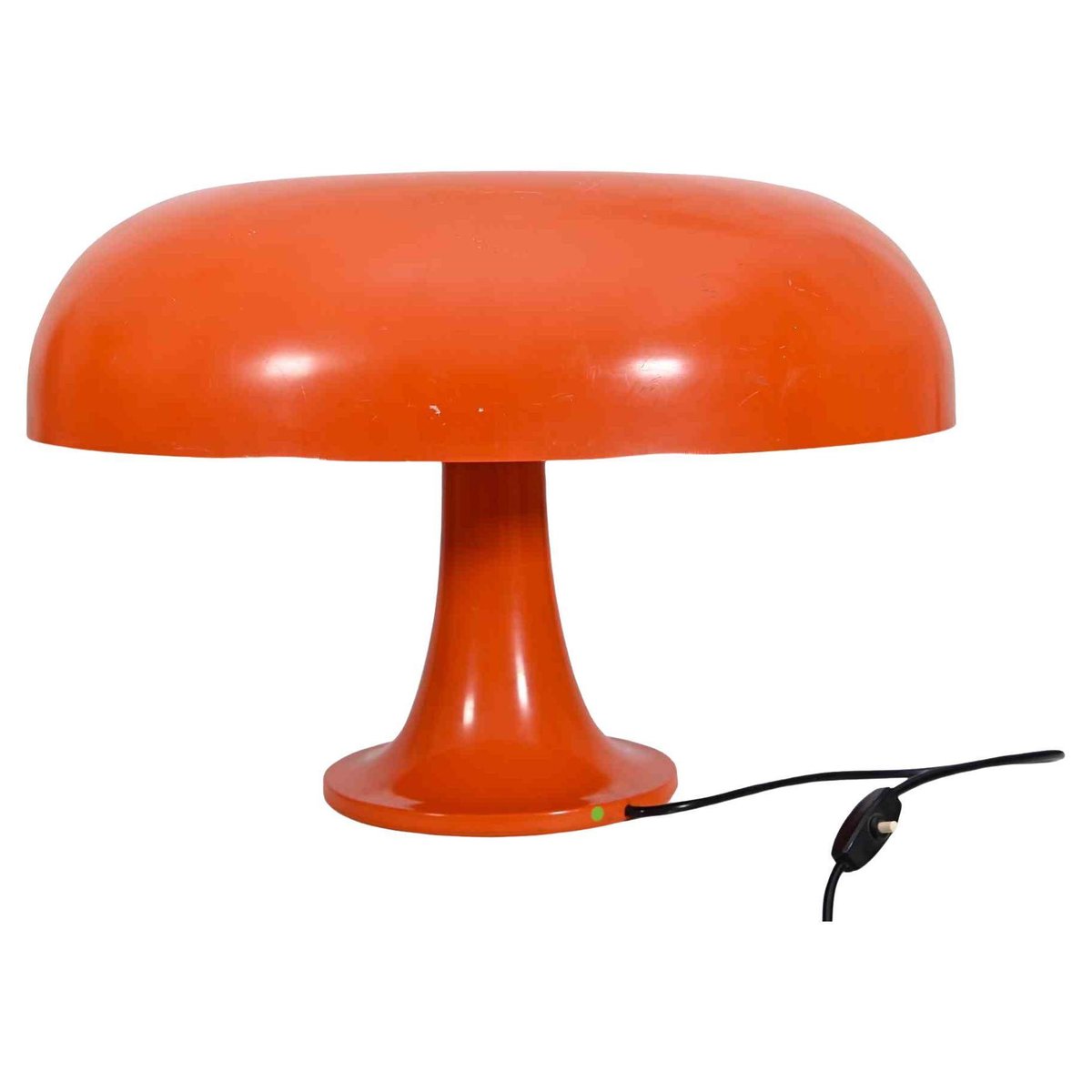
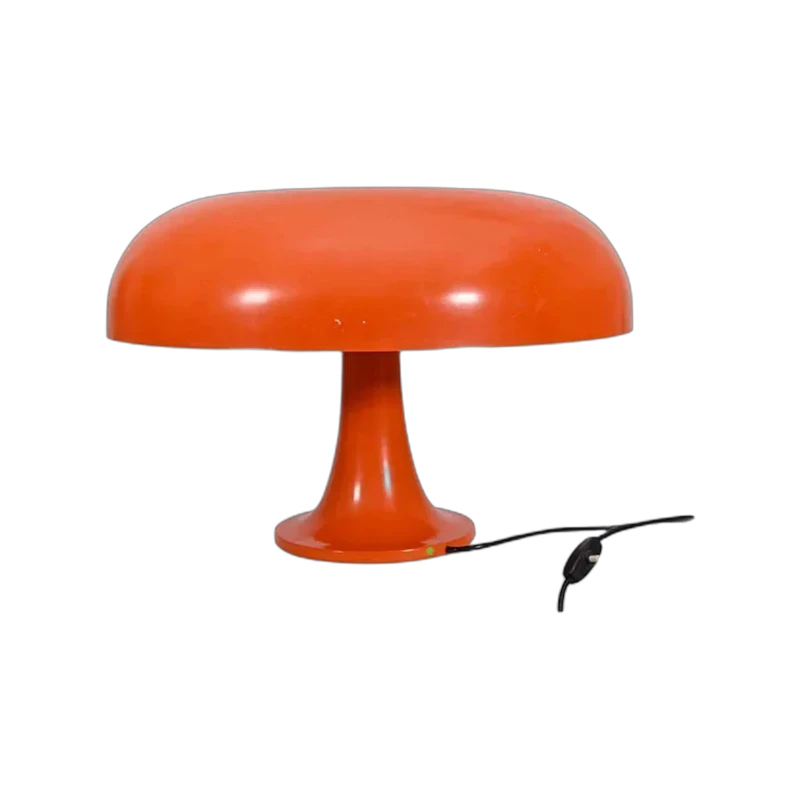
An orange ABS mushroom, winner of the competition launched by Artemide and the magazine Domus. The Nesso does not hang — it grows on the table — but its orange glow so defined the Italian Space Age that the transgression is forgiven. See the original and its alternatives →
7. The Parentesi — Achille Castiglioni & Pio Manzù, 1971
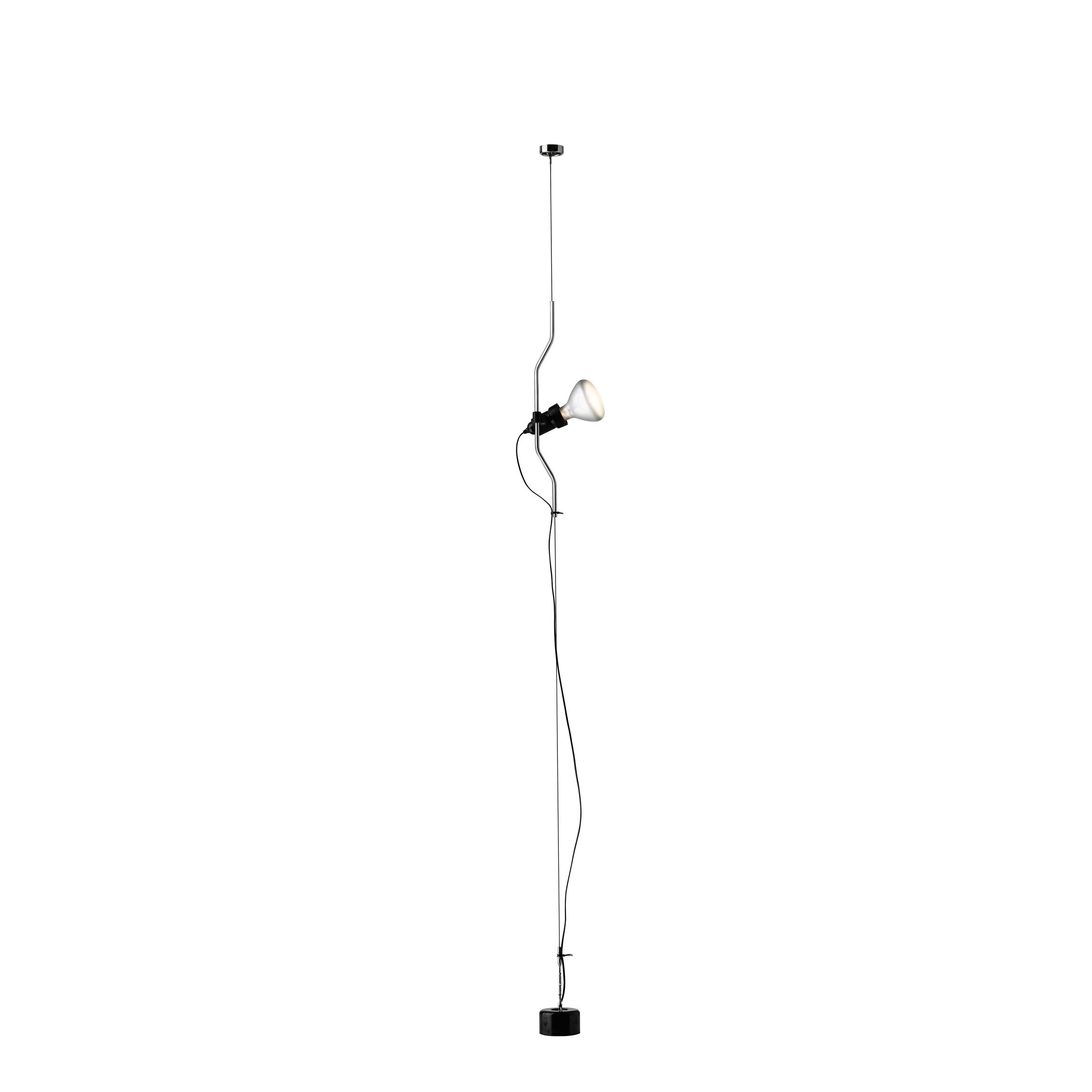
A cable stretched from ceiling to floor, a tube bent like a bracket that slides and stops by simple friction, at exactly the height you want. Neither pendant nor floor lamp — both at once. Compasso d'Oro 1979, still made by Flos, still unsurpassed. See the original and its alternatives →
And if you spotted it in a photo?
Every piece on this list has its own reference page on Beyit, with the original, its history and alternatives at every price. And if a piece of furniture intrigues you in a photo — an Instagram interior, a film, a period house — scan it: Beyit identifies it.
One photo, every piece identified.
Your room, a shop window, an inspiration screenshot: send the photo, we find the pieces and their alternatives at every price.
On iPhone, the app does the same from your camera.
The pieces, at your budget.
Every piece mentioned, with its alternatives — from vintage to dupe.