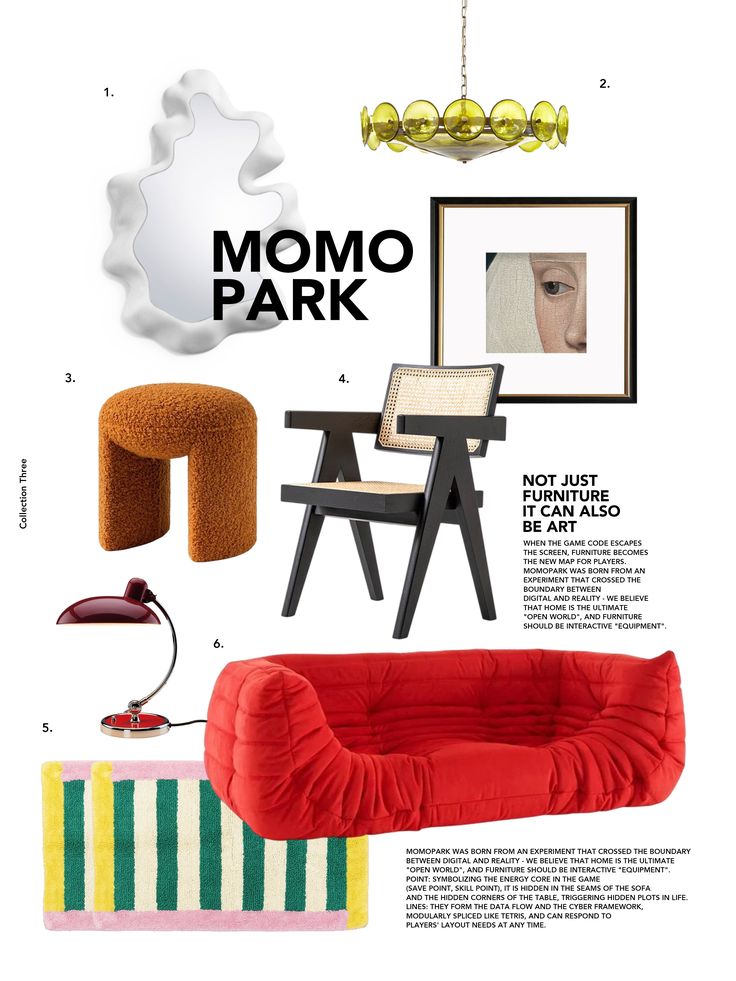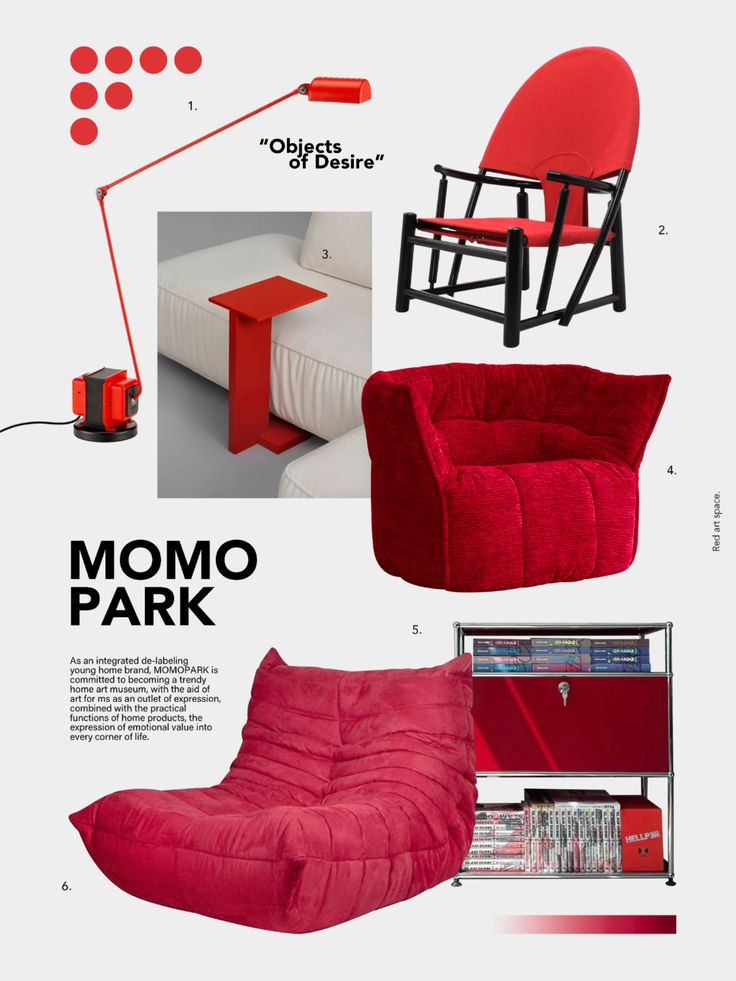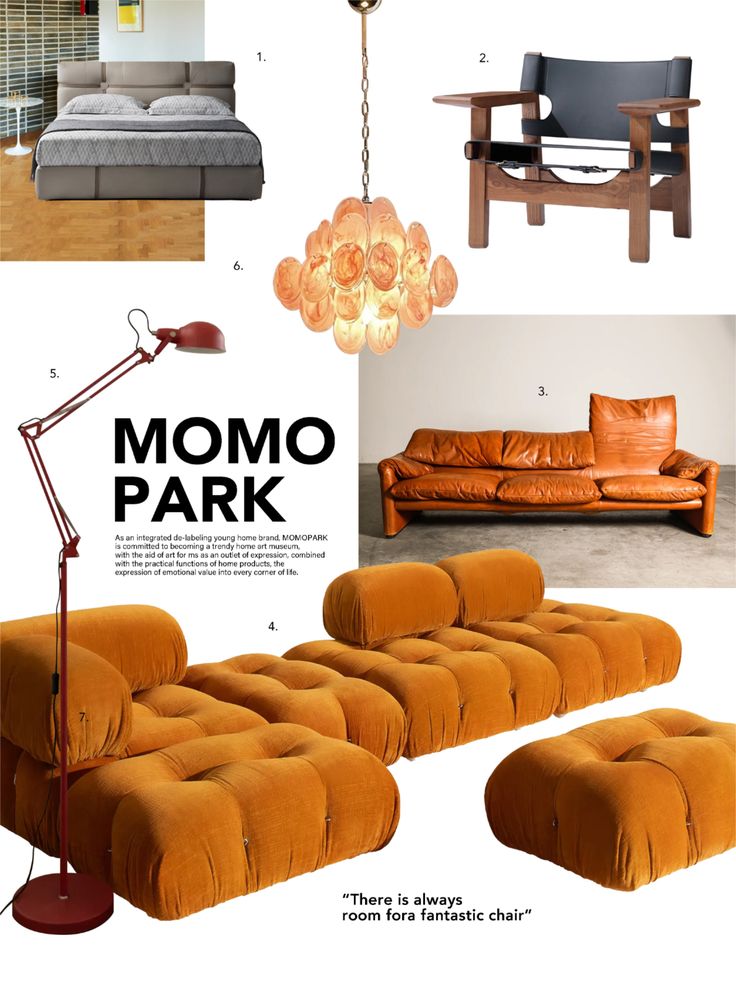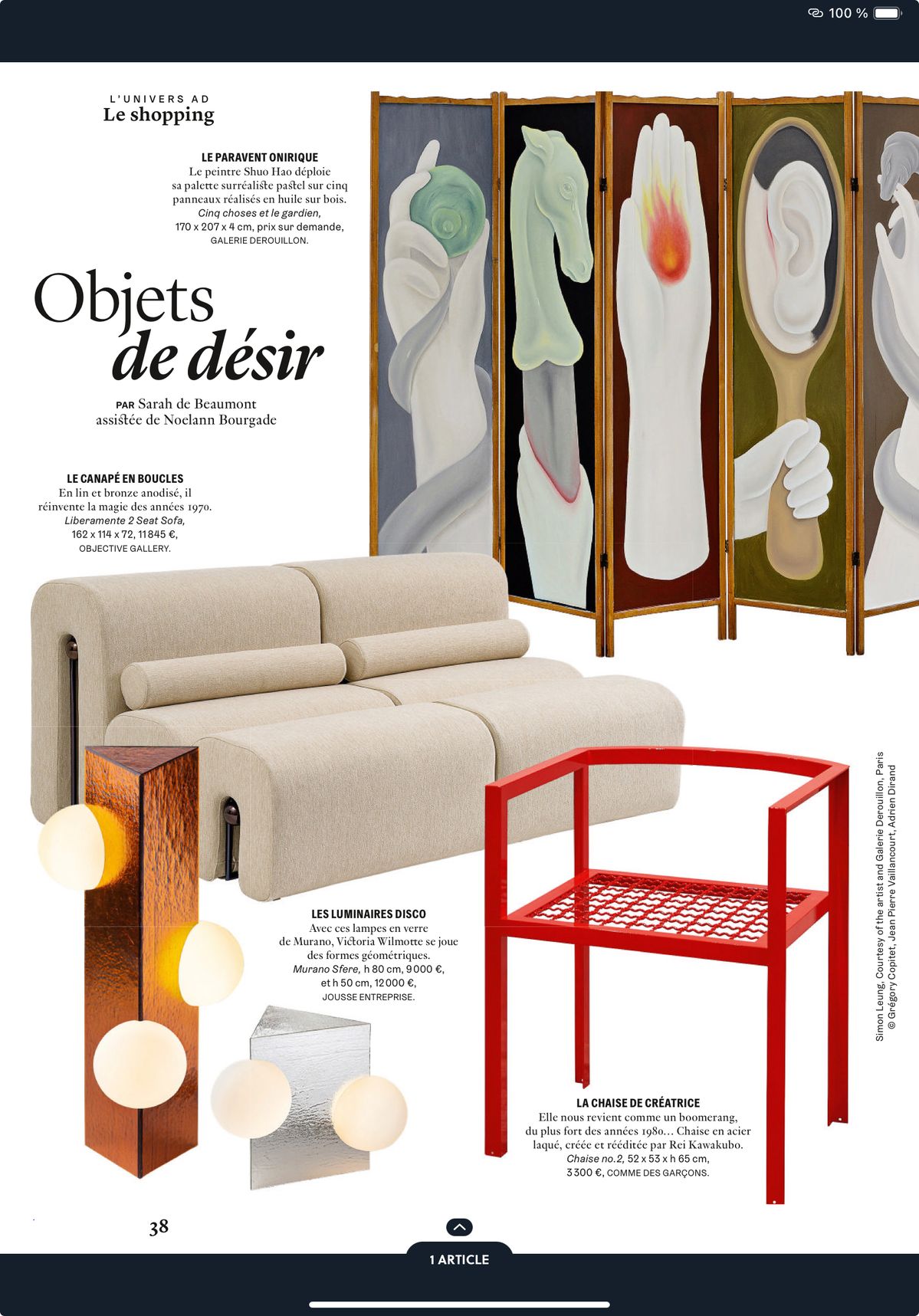
The future of interiors shopping begins with a screenshot
You see a living room in AD. You take a screenshot. Twenty seconds later, you know. You can buy. This is the future of interiors shopping — and the close of our twenty-day series.
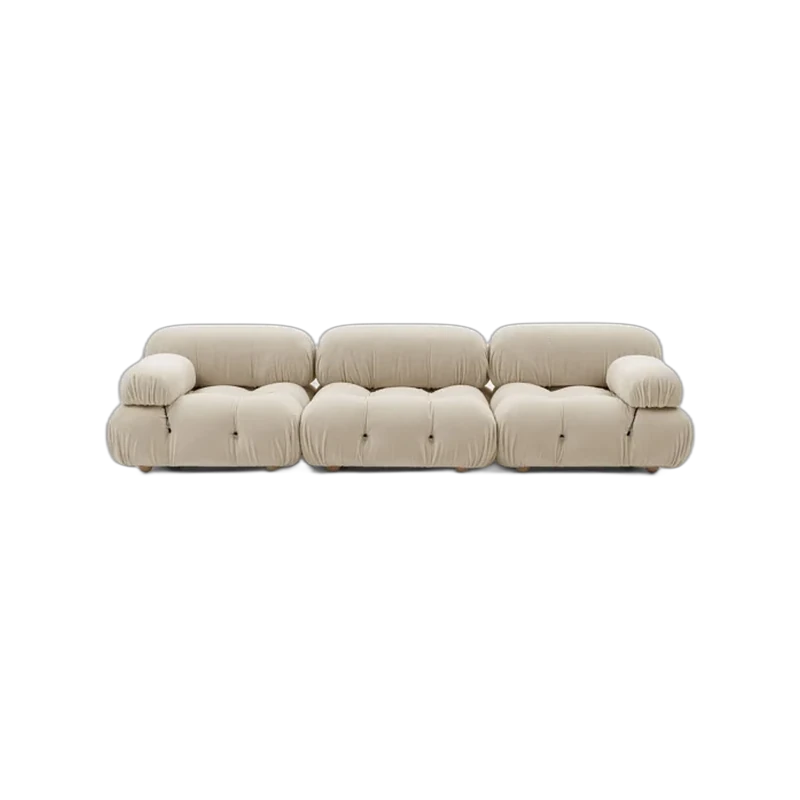
3 MIN · 5 OBJECTS IDENTIFIEDYou see a living room in AD. You don't know where to buy the sofa. You take a screenshot. You drop it into Beyit. Twenty seconds later, the chair is a Pierre Jeanneret PJ-SI-25-A, the sofa is a Camaleonda by B&B Italia, the lamp is an Atollo by Magistretti for Oluce. The marble is Calacatta Viola at 480 euros per square metre. You know. You can buy. This is the future of interiors shopping, and it's already what we do.
Twenty days earlier
This series began on 25 May with a manifesto: the new luxury is no longer expensive, it is simply illegible. Twenty articles later, we arrive at the practical consequence.
If luxury now hides in legibility, if status shifts from possession to identification, if the daily scroll produces thousands of objects that 97% of people will never be able to name — then the most precious tool in interiors shopping is no longer the catalogue. It is the tool that says the name.
The screenshot as the new unit of purchase
Until 2022, the screenshot was a sterile act. You captured a screen, you saved it, you lost it. No path to action.
Since 2024, the screenshot has become the emerging unit of purchase. Visual search tools (Google Lens, Pinterest Lens, Beyit) read the contents of the image and identify the objects. The screenshot is no longer an end — it is a point of entry.
Consequence: the interiors purchase chain now shifts from "see → desire → do nothing" to "see → screenshot → identify → buy". The scroll is no longer a dead end, it is the start of the tunnel.
Three structural shifts
1. Brands become visible
A brand without a distinctive visual signature ceases to exist in the screenshot economy. "Anonymous" brands (generic style, unsigned design) are wiped off the map. "Legible" brands (signature shapes, clean palettes, named designers) rise. Effect: market concentration accelerates, around brands with a strong visual language.
2. Vintage becomes searchable
A vintage object from 1965 becomes identifiable through a photo taken in 2026. That object, which until now was "lost" (seen, never found), becomes "recoverable". Consequence: an explosion of the signed vintage market — Pierre Jeanneret ×4 in four years, Charlotte Perriand ×3, Tenreiro ×5.
3. Knowledge becomes distributed
Knowledge of designers, brands and models is no longer the preserve of professionals (decorators, dealers, specialist journalists). It is democratised by the tool. Effect: the cultural hierarchy is redrawn. Good news for the market. Bad news for the gatekeepers.
What Beyit does
1. Identify
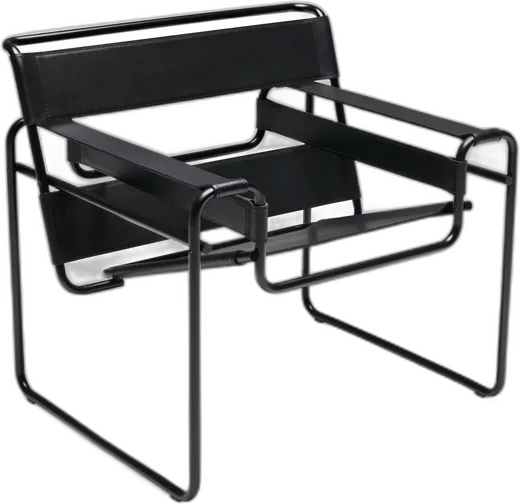
From a photo, recognise the visible objects. Not just "chair" — the chair by its name (Cesca, Wishbone, Tulip), its designer (Breuer, Wegner, Saarinen), its brand (Knoll, Carl Hansen, Knoll).
2. Evaluate
Give the real price and propose three tiers of alternatives: luxury (the genuine signed piece), mid (accessible reissues), budget (avowed dupes). Not to push the sale — to give an informed choice.
3. Document
Keep the history of identified objects. Build, over time, the user's own vocabulary. As scans accumulate, the eye is trained. That is the deeper promise: turning the scroll into an education.
Four new habits, to take on
1. Screenshot rather than save
Pinterest save keeps the image. A Beyit screenshot extracts the contents. The two do not replace each other — they complement each other. Save for the moodboard, scan for the knowledge.
2. Identify before buying
Never buy an interiors piece "like the one in the photo" without first identifying the original. It is the only way to know whether you are paying the right price, for the right designer, in the right version.
3. Build your vocabulary over ten years
Taste is built by the accumulation of names. Learn ten names a month. By the end of the decade, you speak the language.
4. Accept the gap between seeing and buying
Not everything can be owned. Interiors become an aesthetic fantasy consumed for its own sake. That's fine. But when you buy, you buy informed.
And after
This twenty-day series stops here. But the thesis goes on. The new luxury is cultural, not economic. It is earned through knowledge, not through spending. And it begins, from now on, with a simple screenshot.
See you tomorrow in the magazine. And thank you for reading to the end.
One photo, every piece identified.
Your room, a shop window, an inspiration screenshot: send the photo, we find the pieces and their alternatives at every price.
On iPhone, the app does the same from your camera.
The pieces, at your budget.
Every piece mentioned, with its alternatives — from vintage to dupe.



Gallery
4 images