The Gap Between Inspiration and Purchase
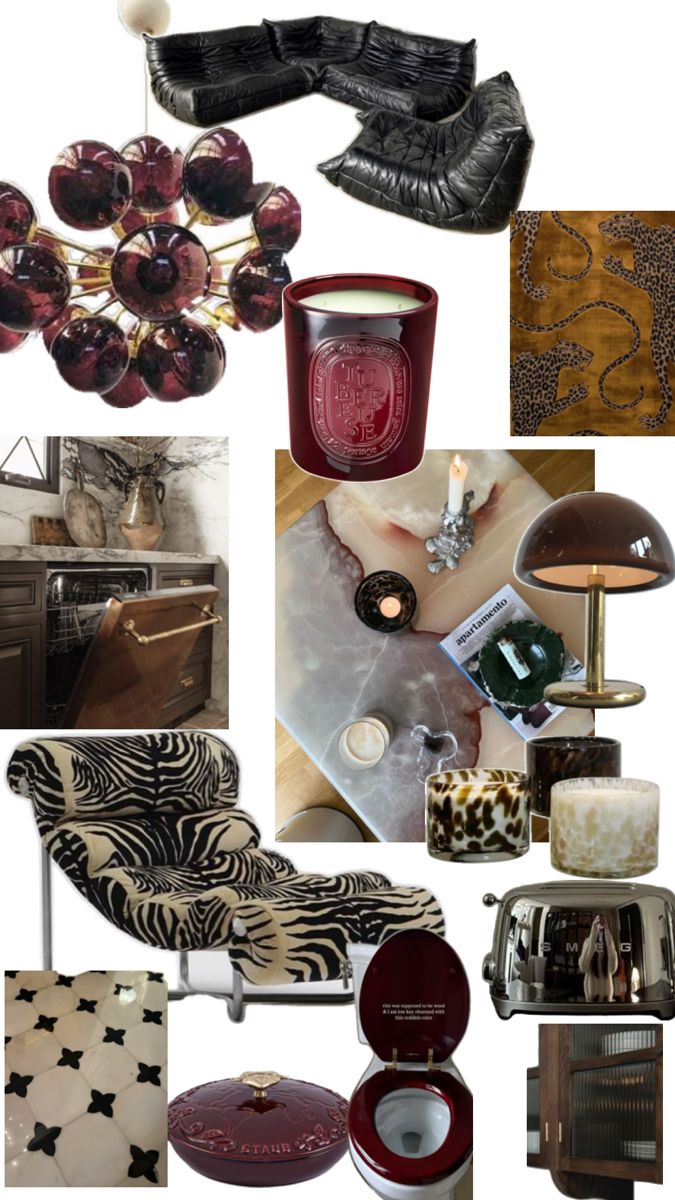
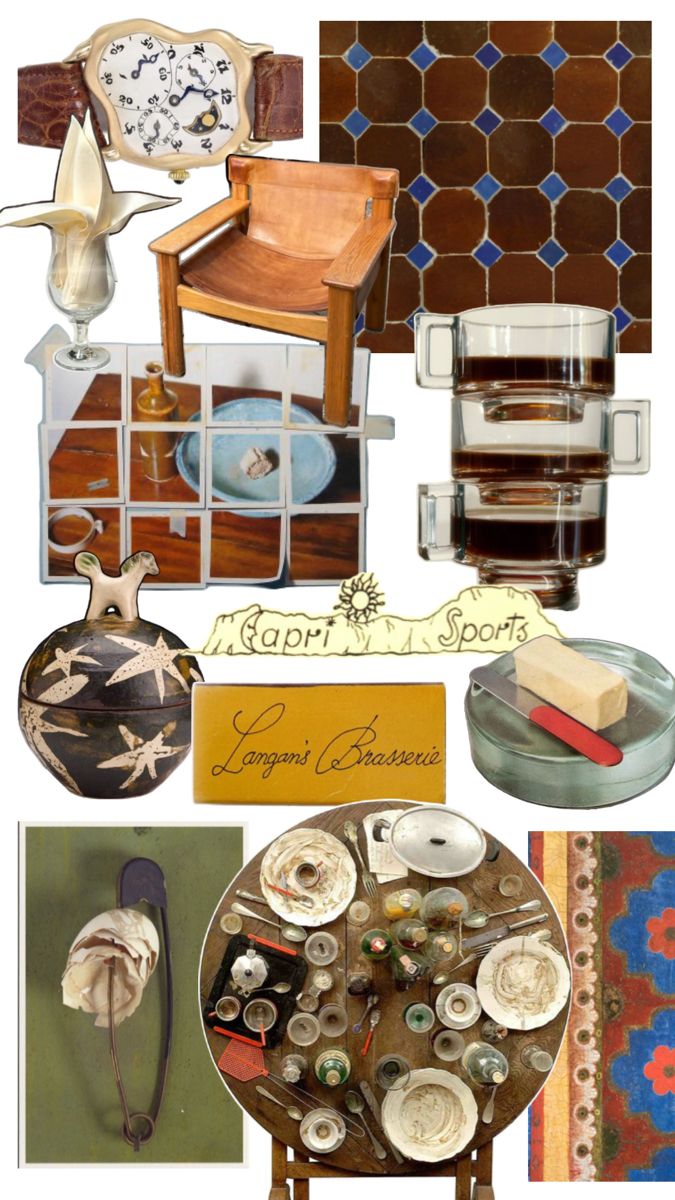
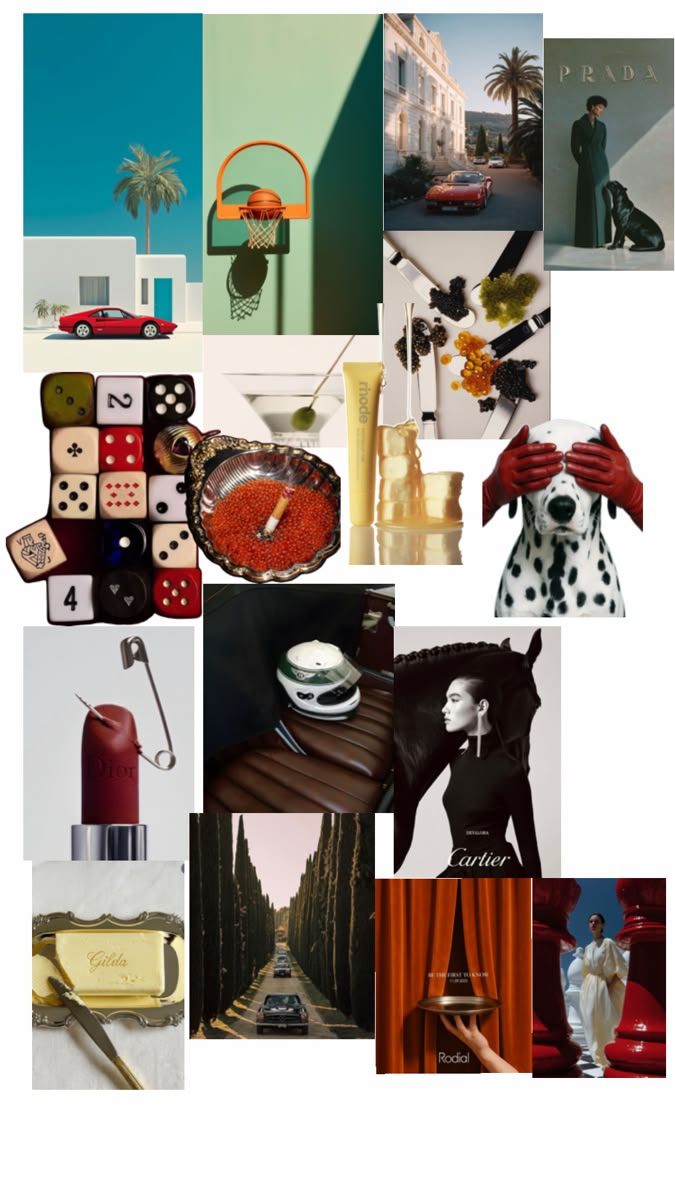
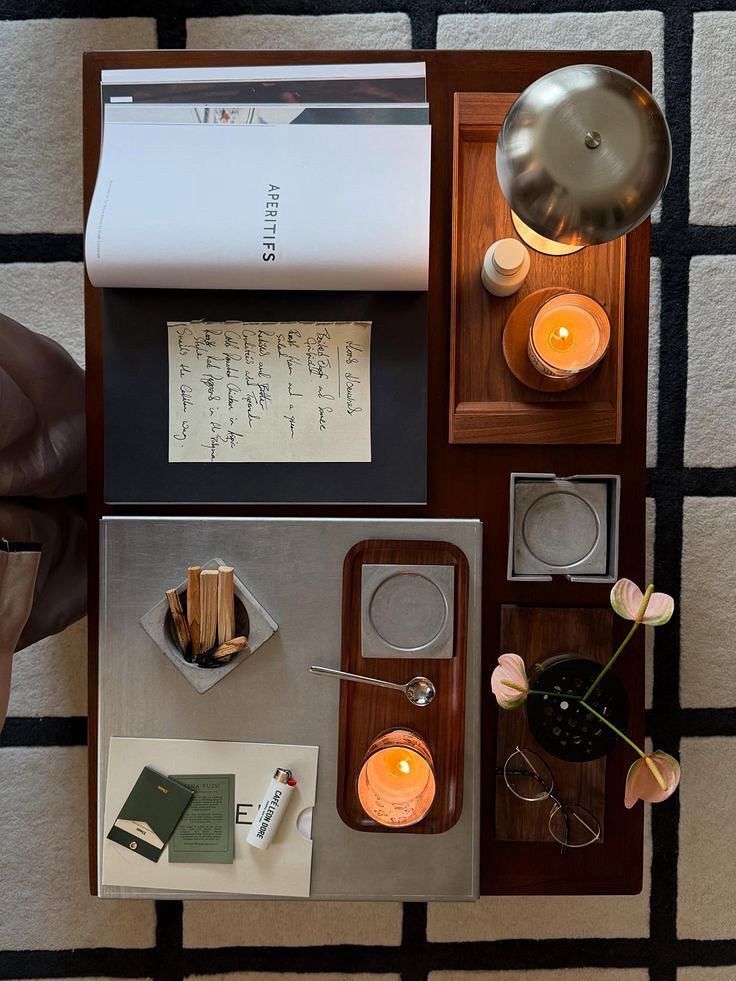
Pinterest 2026: the average interiors user hoards 4,230 pins for a 0.3% purchase rate. Three buys per thousand saves. That gap defines the market.
3 MIN · 5 OBJECTS IDENTIFIEDPinterest 2026: the average active interiors user hoards 4,230 pins. Click-through rate to a retailer: 1.8%. Actual purchase rate: 0.3%. For every thousand images saved, three purchases. This is the gap between inspiration and purchase — the chasm that defines today's online interiors market.
Three gaps that compound
The semantic gap
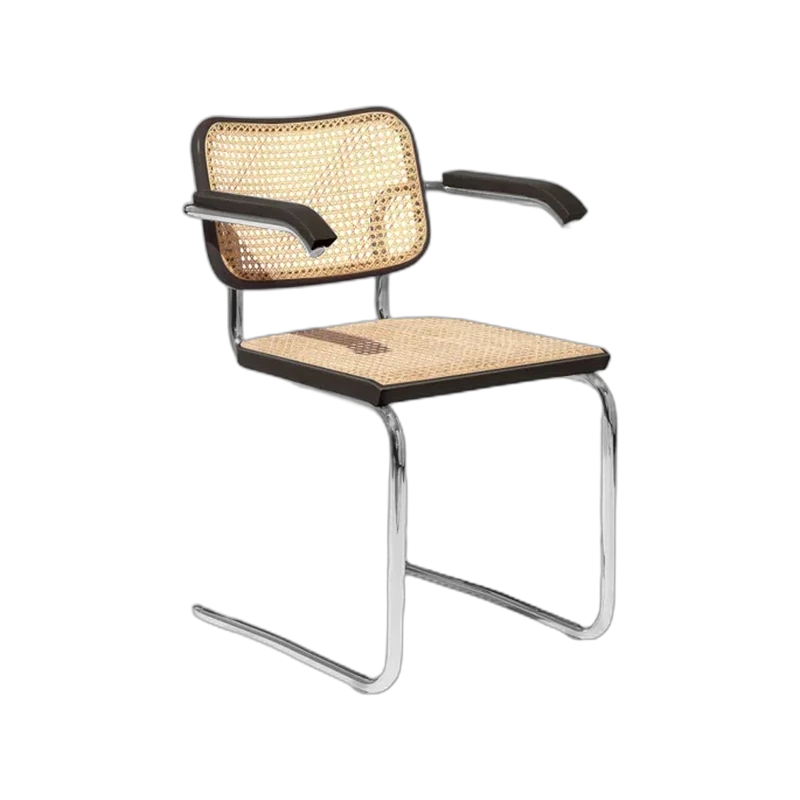
Seeing an object does not give you its name. An image without caption, credit or source is a dead end. The most-used Pinterest tag in 2026: "living room ideas". Zero actionable information. Someone in their thirties can save a Cesca chair for two years without ever learning it is a Cesca.
The financial gap
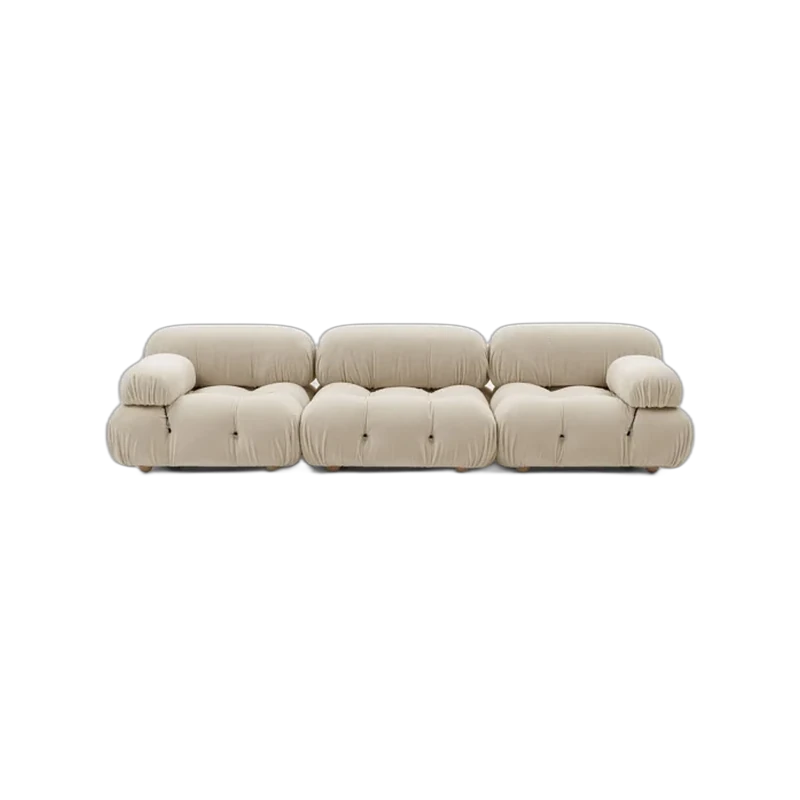
Identifying the object is not enough. A Pierre Jeanneret chair costs 6,400 euros. A Camaleonda, 12,000. A Sciolari chandelier, 4,800. For most people, those prices disqualify themselves. The inspiration stays, the purchase evaporates. The financial gap becomes the most powerful silent argument against conversion.
The logistical gap
You find the object, you know the price, you accept the price — and you still don't buy. Because it has to be delivered, carried, fitted in. Physical friction kills half the decisions made in the mind. A six-month lead time on an Italian sofa defuses 70% of intended purchases, according to internal figures at B&B Italia.
Why this gap is new
Before Pinterest
The classic interiors purchase cycle lasted three months: spot it in Elle Décoration → visit the showroom → choose → order → receive. The funnel was short, the steps clear, the commitment constant. No one saved four thousand images. No one had four thousand images to save.
Since Pinterest
The cycle has stretched to two to five years on average. You see it in 2024. You buy it in 2029. In between: 4,200 pins, ten decorators followed, three moodboards created, zero acquisitions. The funnel becomes a loop that never closes.
The brands closing the gap
Visual search tools
Beyit, IKEA Place, Google Lens, Amazon Search. All are trying to close the semantic gap: photograph the object, find its source, open the path to purchase. None succeed perfectly with interiors — the object has too many variants, the image is too decontextualised. But the tools are progressing fast: Beyit now identifies 68% of visible objects, against 32% in 2024.
Accessible reissues
Habitat, Maisons du Monde, IKEA. All now offer "educational dupes" — declared copies of design icons, at 5-15% of the original price. The financial gap closes by renouncing status. Perverse effect: it muddies the value of the real thing. A Cesca for 89 euros at Maisons du Monde means no one understands any longer why the real one costs 1,480.
Rentals
Feather (United States), Furniture Hire UK, Möbel Mit Stil (Germany). Design furniture rental, monthly payment, return whenever you want. It closes the logistical gap by removing the commitment to buy. The market has grown eightfold since 2022. Rental is becoming the furniture equivalent of Vestiaire Collective for clothing.
What it changes
For the market: a brand's value is now measured in desire sustained, not stock cleared. Cassina is worth 4 billion euros at 2026 valuation, on 380 million in revenue. The desire-to-sale ratio has become more predictive than short-term profitability. Cassina no longer principally sells sofas. It sells the idea of the Cassina sofa.
For the consumer: accepting that managing the gap is itself part of taste. Learning to defer, to wait, to let desire return to a specific object. The best strategy: save ten images of the same piece across three years. If it is still saved at the end, it is buyable. If not, it never was.
How Beyit closes the gap
Three moves. Identify: recognise what is in the image (name, brand, designer). Evaluate: show the real price and alternatives across budgets (luxury, mid, budget). Document: keep the history of saved objects, so that when the moment to buy arrives, the user finds the whole chain again.
The gap will never close to zero. But it can shrink — and that is precisely the Beyit promise. Not to sell sofas. To give the names.
One photo, every piece identified.
Your room, a shop window, an inspiration screenshot: send the photo, we find the pieces and their alternatives at every price.
On iPhone, the app does the same from your camera.
The pieces, at your budget.
Every piece mentioned, with its alternatives — from vintage to dupe.



Where to find Maisons du Monde
At the house itself, or at the retailer that stocks it.
Gallery
5 images