The age of the collected interior
The opposite of the decorated interior. A deliberate mix of periods, prices and cultures that ends up speaking together. Darré, Vervoordt, Coppola.
3 MIN · 5 OBJECTS IDENTIFIED2018, AD US publishes an interior by Pierre Yovanovitch. Everything is signed, everything is calibrated, everything is in range. May 2026, AD US publishes another Yovanovitch interior. A 1958 Pierre Jeanneret chair. A custom sofa. An anonymous nineteenth-century African mask. A 1972 Murano lamp. A contemporary painting by an unknown hand. No apparent logical link. That is exactly the point — it is a collected interior.
What a collected interior is
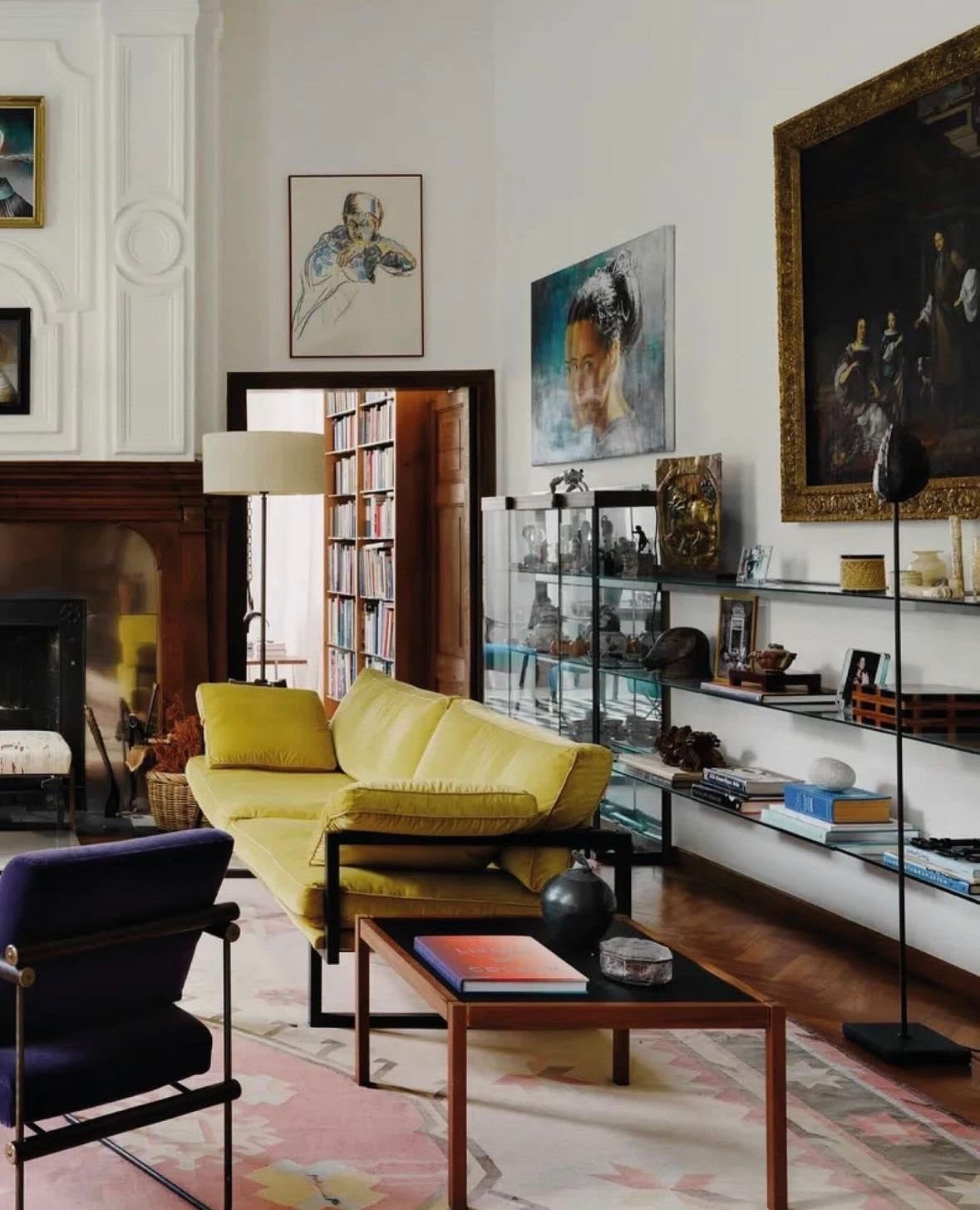
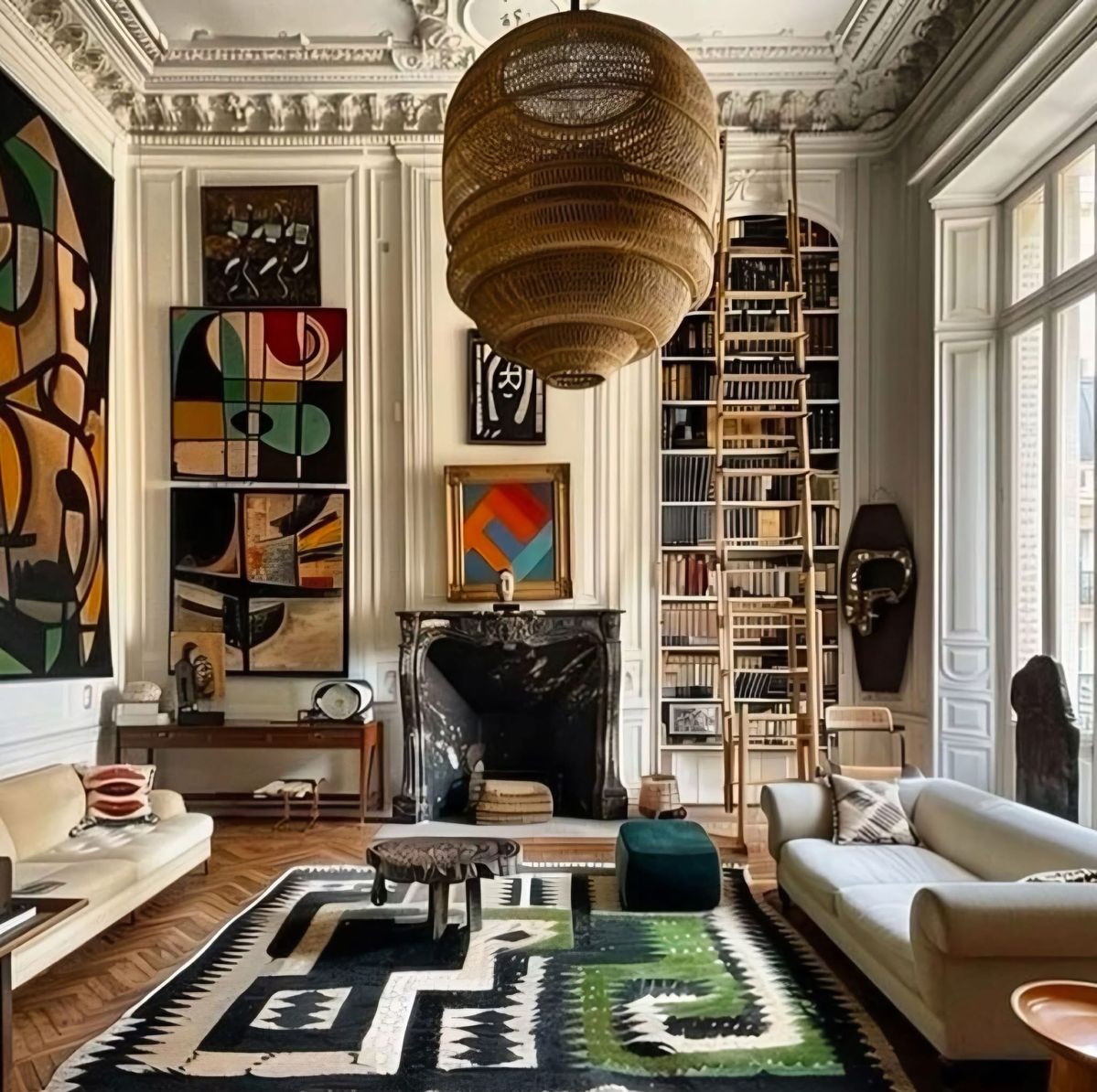
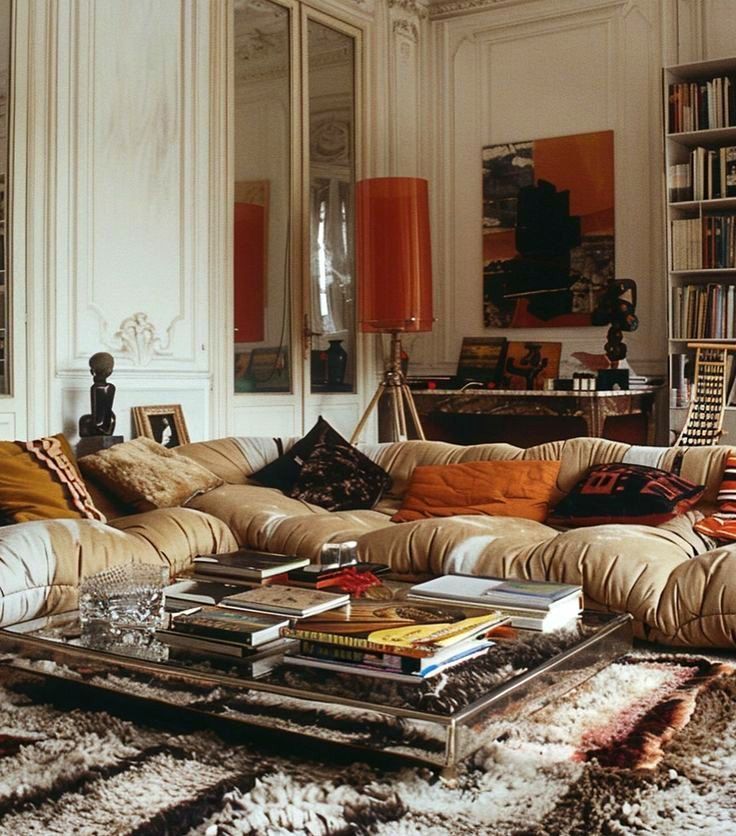
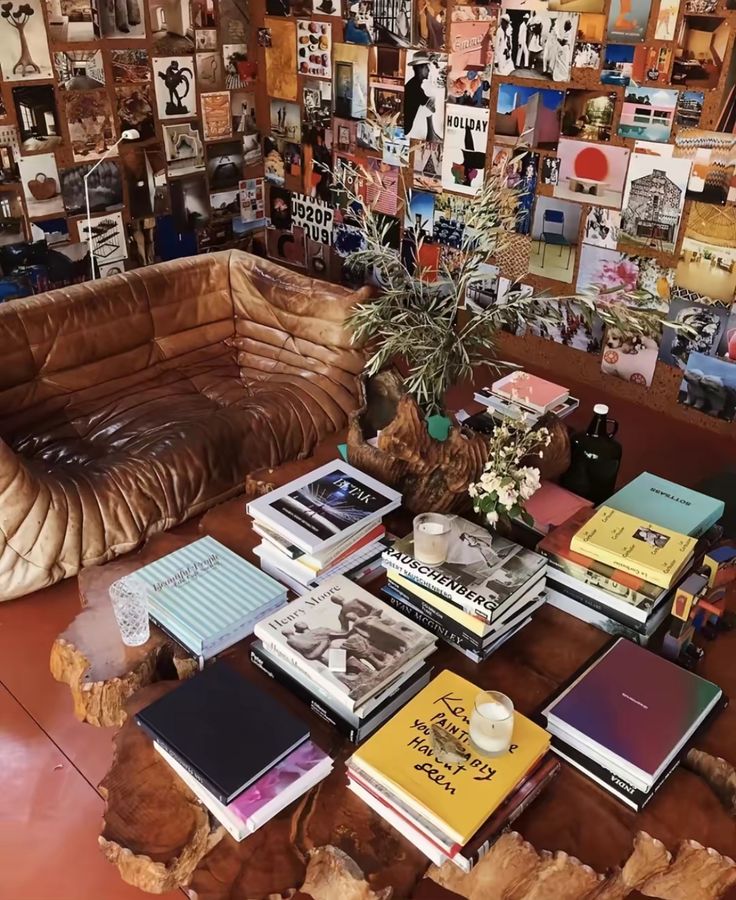
The opposite of the decorated interior. Rather than conceived by a single hand, in a single period, within a single range — it is assembled over years, with pieces from incompatible provenances that nonetheless end up speaking to one another.
Five traits: a mix of periods (eighteenth century + 1960 + 2026, with no hierarchy), a mix of prices (a 300-euro flea-market find sitting next to a 50,000-euro auction lot), a mix of cultures (African, Asian, European, American), a mix of signatures (known designers, anonymous makers, folk art), and the apparent absence of an overarching plan.
Why it works
Three reasons. Hidden coherence: behind the apparent chaos, a thread runs — most often a chromatic palette (warm browns, ochres, weathered beiges) or a material temperature (tactile, matt, patinated). The collected interior is not disorderly; it is quietly ordered.
Fatigue with the calibrated: after ten years of Instagrammable interiors (cream bouclé sofa + Atollo lamp + travertine), the eye craves a readable disorder. The collected interior offers that disorder — but controlled.
Personal narrative: each piece tells a story (where found, who sold it, why bought). The interior becomes autobiographical, not merely aesthetic. It is a habitable narrative.
The references that define the movement
Vincent Darré
Parisian decorator, flat on the place des Vosges. He mixes nineteenth-century dolls, contemporary paintings, sixties furniture, Deyrolle taxidermy. The absolute reference for the maximalist collected interior — at Darré's, nothing is ever in range, everything speaks through deliberate accumulation.
Axel Vervoordt
From Antwerp, dealer-decorator. A pioneer since the eighties. He combines Gothic antiquities, contemporary art, Japanese wabi-sabi design. The reference for the meditative collected interior. His Gravenwezel castle, published in World of Interiors in 2024, has become the implicit manual for every European decorator of 2025-26.
Pierre Yovanovitch (the 2026 pivot)
The French decorator who in 2026 pivoted from "decorated Yovanovitch" to "collected Yovanovitch". His new Apparatus collection signs the movement at commercial scale: pieces from different makers, vintage re-editions, bespoke creations. A single interior can now hold six periods.
Sofia Coppola
Paris flat, on the île Saint-Louis. A mix of seventies Italian, contemporary art, French antiques, rococo vintage. Published in Cabana in 2024, it became an Instagram reference with 84,000 Pinterest saves. Coppola embodies the "civilian" version (not a professional decorator) of the collected interior — the one anyone can reach with ten years of patience.
How to build a collected interior
Rule 1: a single chromatic rule
Choose three to five colours at most (browns, ochres, deep green, bordeaux, for instance). Anything that enters the house must belong to that palette. This is what produces unity within diversity. Without a chromatic constraint, the collected becomes the accumulated — see below.
Rule 2: buy across ten years, never in a month
A collected interior is built in layers, over years. One piece per quarter at most. The effect of natural "gathering" comes from time itself, not from a project executed in six months. Vervoordt took forty years to compose Gravenwezel.
Rule 3: never explain
A collected interior works when the pieces speak visually without the eye needing an explanation. If one has to justify "why this African mask next to this Mondrian", it has failed. The logic is silent or it is not there at all. It is the difference between a curator who knows and a curator who needs to prove that they know.
The trap
The classic mistake: confusing collected with accumulated. The collected interior selects, eliminates, replaces. The accumulated keeps everything. The first is precise, the second is heavy. The difference is visible to the eye — a collected interior breathes, an accumulated one suffocates.
A simple test: if you cannot, without looking, list five pieces that have left the house in the past year, you are in accumulated. The collected presupposes a permanent eviction.
One photo, every piece identified.
Your room, a shop window, an inspiration screenshot: send the photo, we find the pieces and their alternatives at every price.
On iPhone, the app does the same from your camera.
The pieces, at your budget.
Every piece mentioned, with its alternatives — from vintage to dupe.



Gallery
4 images