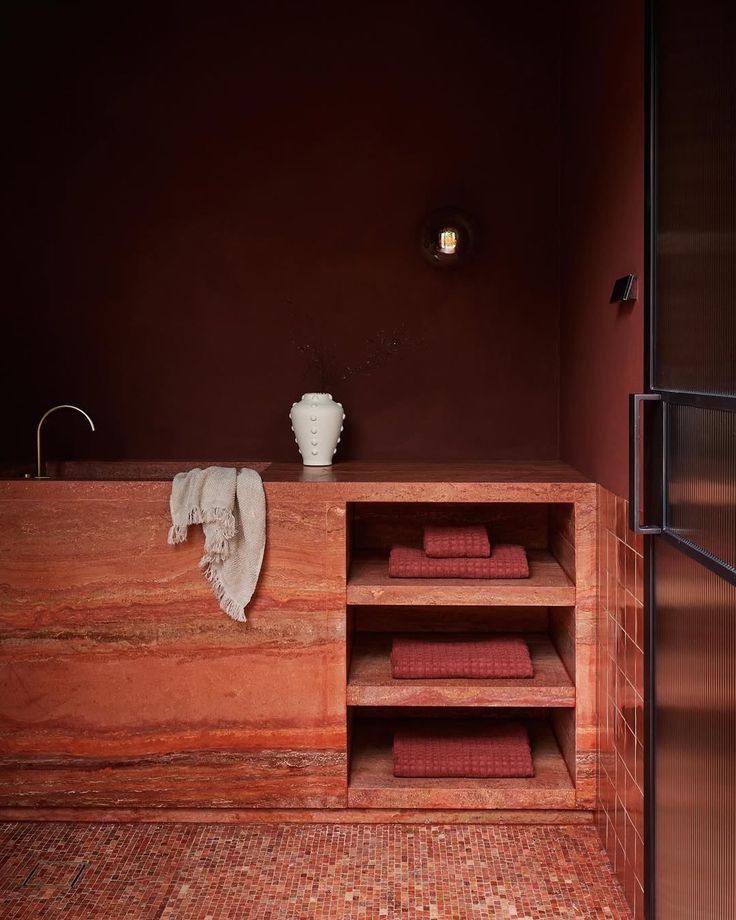

Travertine: Why the Roman Stone Is Everywhere (and How to Choose It)
The Colosseum is made of it, and so is your feed. Holes, tones, finishes: understand travertine before you buy a coffee table that costs as much as a sofa.
1 MIN · 5 OBJECTS IDENTIFIEDIt is the stone of the Colosseum and the Villa Adriana — and for five years now, the stone of every coffee table on the feed. Travertine, a limestone deposited by hot springs, owes its comeback to what once passed for its flaws: its holes.
A stone full of cavities
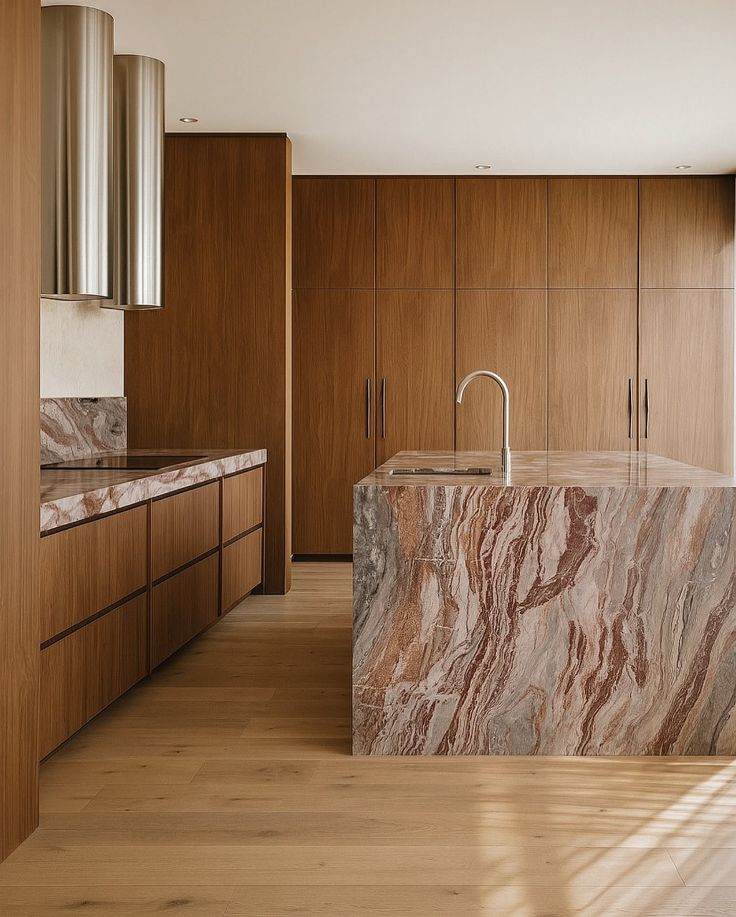
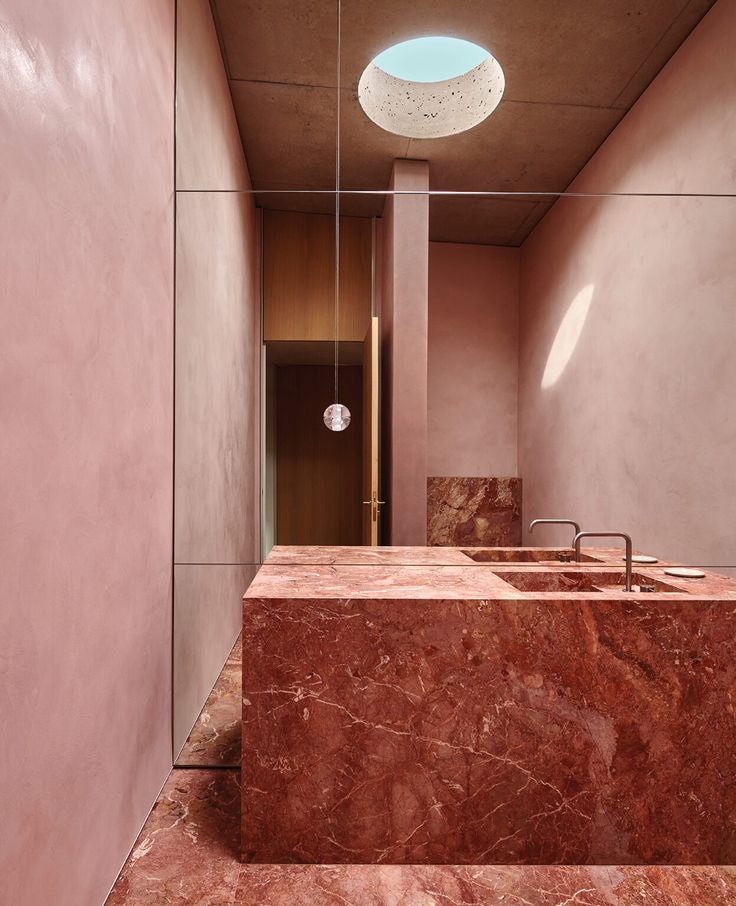
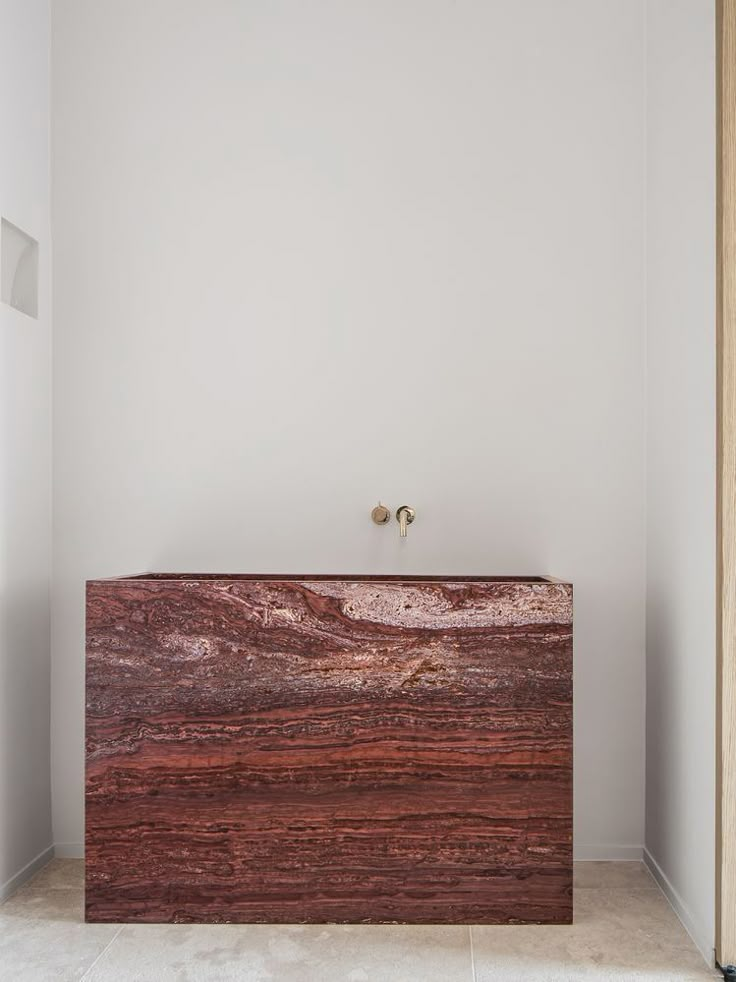
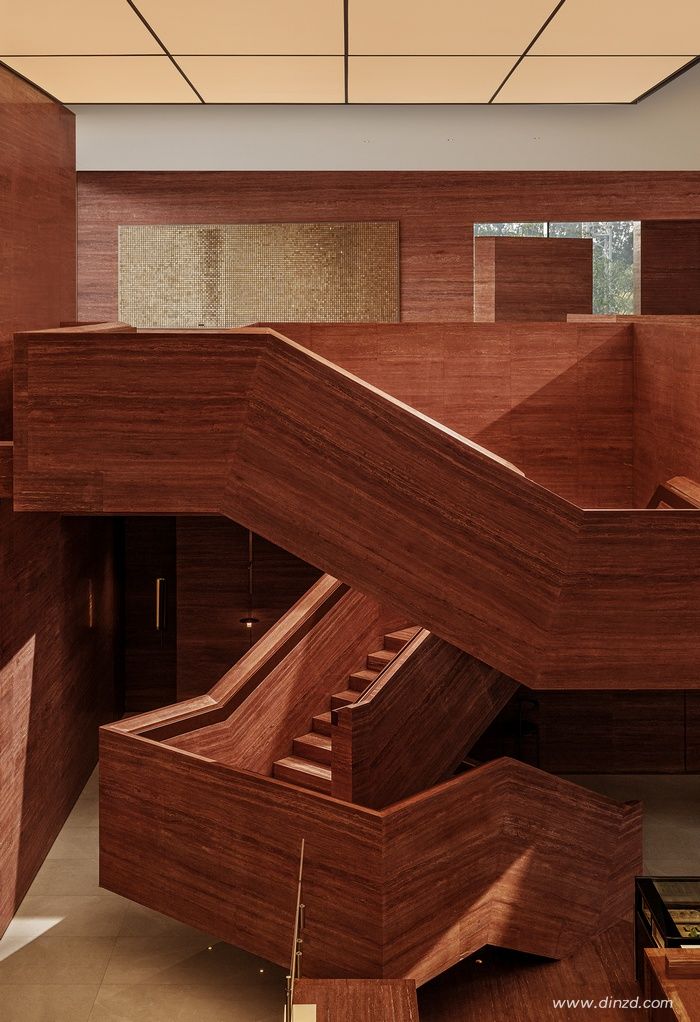
Travertine forms in layers, trapping gas bubbles as it goes: hence those characteristic cavities, running from cream beige to walnut depending on the quarry — Tivoli near Rome, Iran for the paler tones. Two finishes dominate: holes left open (the raw Seventies look) or filled with resin and then polished, easier to live with.
Why it is back
The interiors of the Seventies and Eighties were full of it — coffee tables with thick tops, consoles, lamps — and the return of “warm minimalism” has pushed it back to centre stage: a warm, matt, imperfect stone, everything polished marble is not. Period vintage pieces, often Italian, can still be found at reasonable prices at flea markets, against the pricier new reissues.
Before you buy
Check the filling (a resin that pops out can be redone, but negotiate), avoid tops that are too thin (under 3 cm means fragile at the corners), and protect it: travertine is porous, and a forgotten glass of wine leaves a mark. A wax or a water-repellent treatment once a year is enough.
Spotted a travertine table? Scan it on Beyit: era, provenance, market value.
One photo, every piece identified.
Your room, a shop window, an inspiration screenshot: send the photo, we find the pieces and their alternatives at every price.
On iPhone, the app does the same from your camera.
The pieces, at your budget.
Every piece mentioned, with its alternatives — from vintage to dupe.


Gallery
4 images