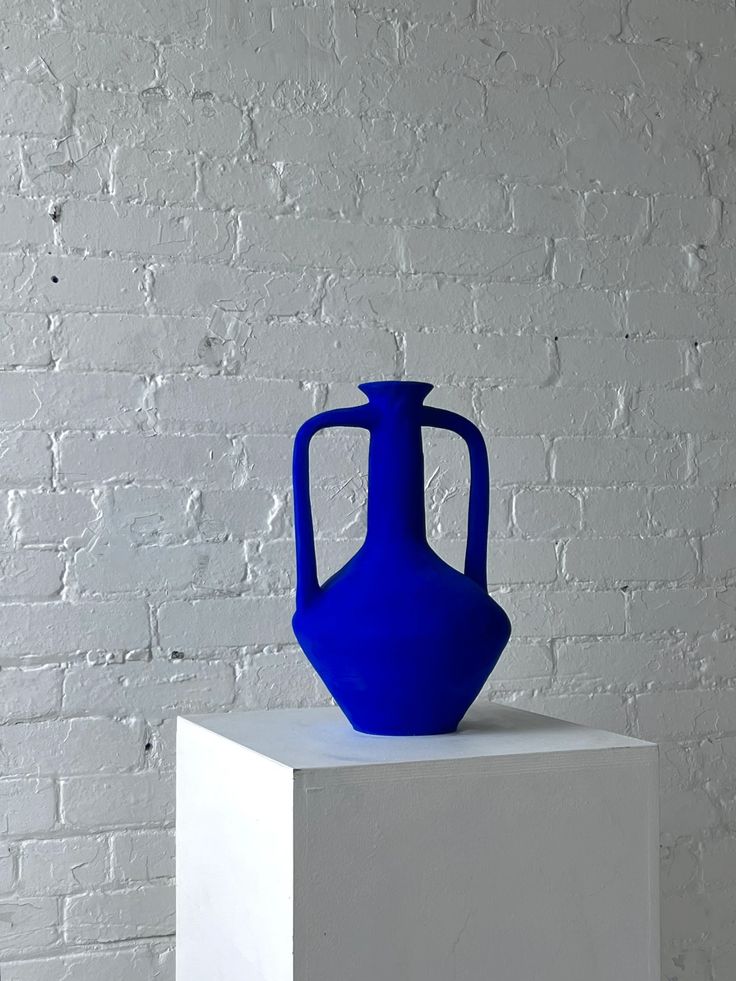

Design Vases: The Market, from Aalto to 1970s Murano
The vase is collectible design's front door: Aalto's Savoy, Sottsass for Memphis, seventies Murano — what each family is really worth.
1 MIN · 5 OBJECTS IDENTIFIEDThe vase is the first design object one collects without realising it: small, easy to display, often signed. It is also one of the categories where the gap between flea market and auction is most spectacular.
The three families that hold value
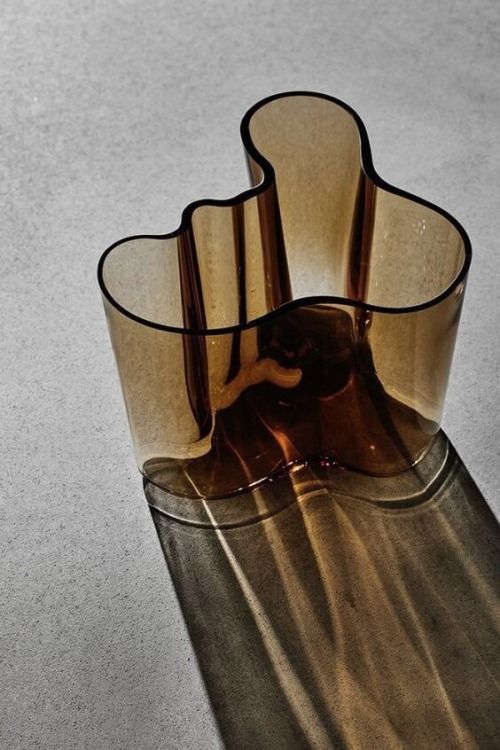
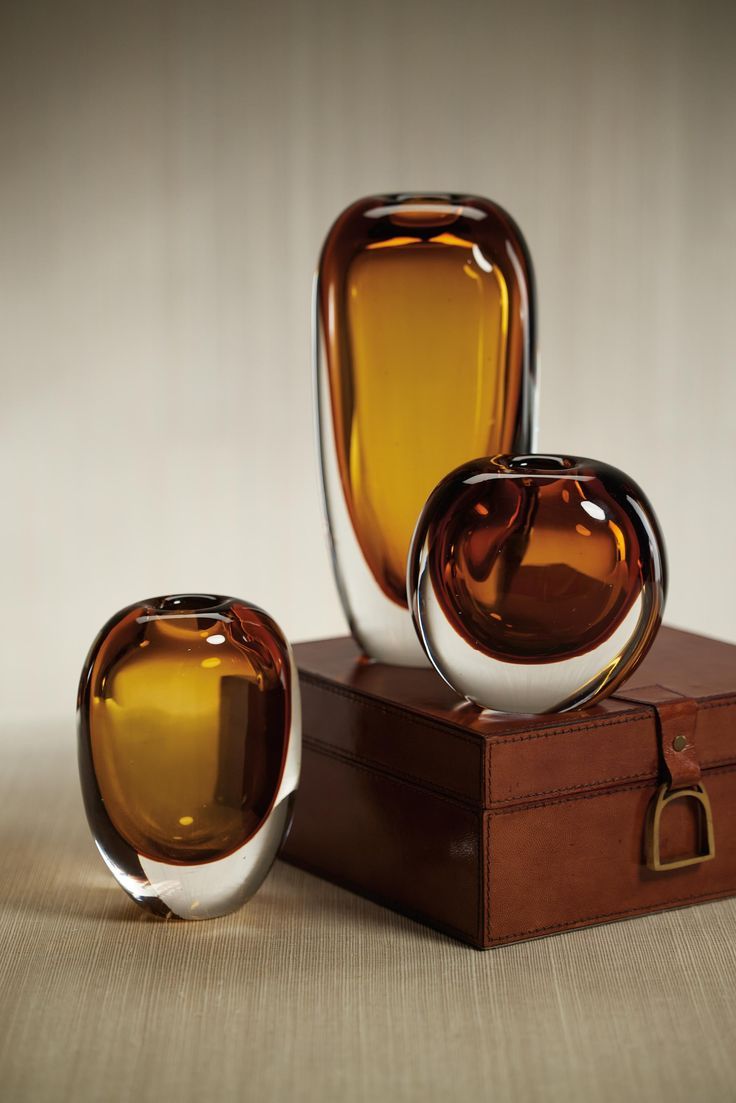
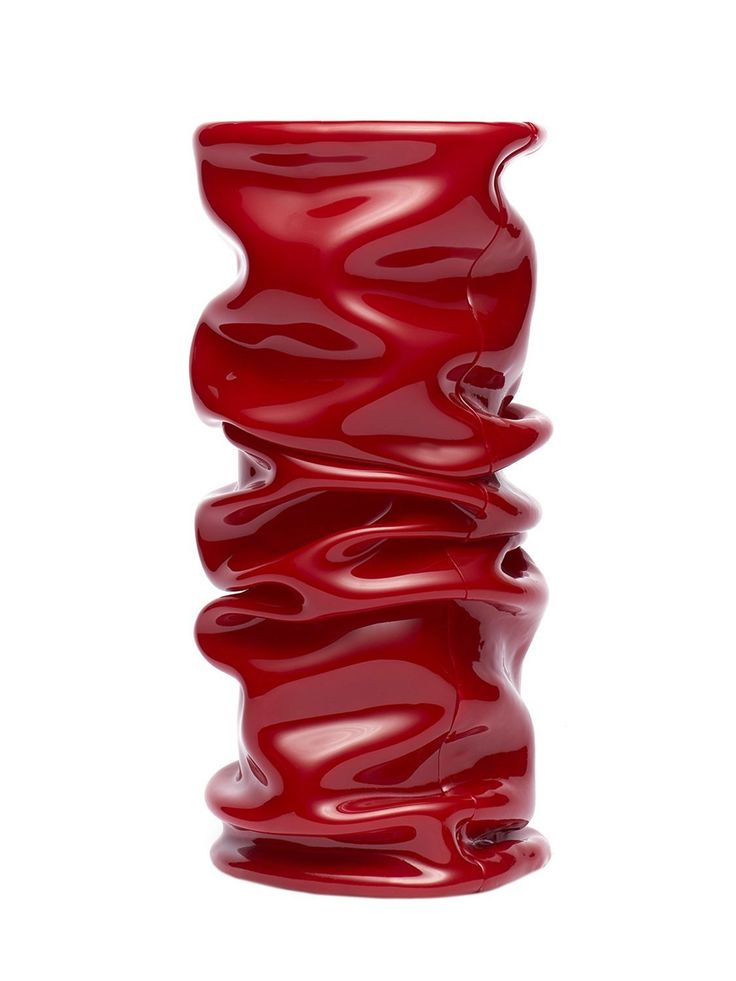
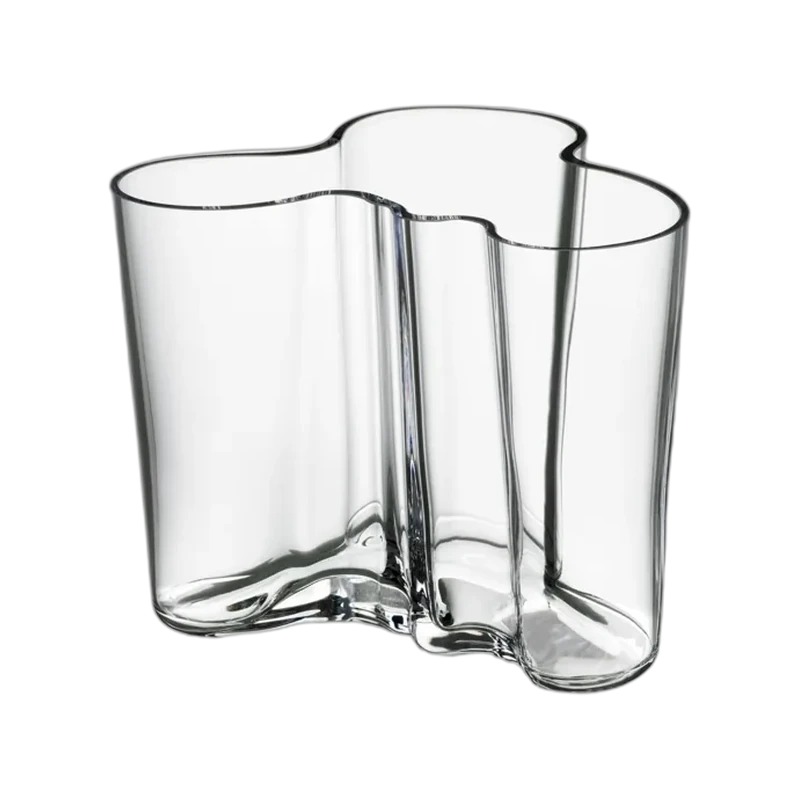
The Savoy by Alvar Aalto (Iittala, 1936), the century's most famous wave of glass, is still in production: €100-300 new depending on size — but the early Karhula examples, recognisable by their engraved signature, climb to several thousand. The Memphis vases by Ettore Sottsass and his accomplices, polychrome ceramics and glass from the 1980s, have moved from kitsch to heritage: €500 for the small runs, €5,000 and more for the major pieces at public sale. Murano from the 1960s-70s — two-tone sommerso, thick opalines, pieces by Venini or Barbini — ranges from €80 for the anonymous to several thousand for the attributed.
Reading a vase in ten seconds
The base first: engraved signature, original label, ground pontil. The weight next — serious blown glass is heavy for its size. The colour last: a sommerso has clean layers, a copy has muddy transitions.
The bargain of 2026
French opalines and West German "fat lava" ceramics, still €20-80 at the flea market, are following exactly the path Murano took fifteen years ago: abundant, identifiable, photogenic. The moment to set three of them on a shelf.
Spotted a vase in a shop window? Scan it on Beyit to place the family and the price.
One photo, every piece identified.
Your room, a shop window, an inspiration screenshot: send the photo, we find the pieces and their alternatives at every price.
On iPhone, the app does the same from your camera.
The pieces, at your budget.
Every piece mentioned, with its alternatives — from vintage to dupe.

Gallery
4 images