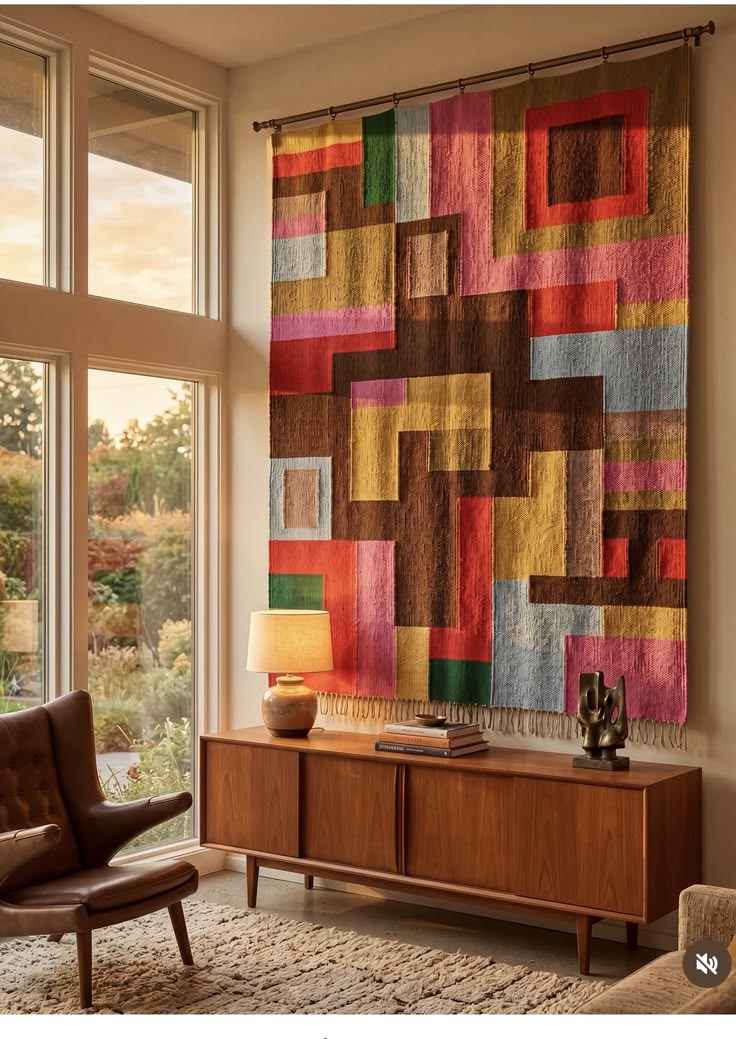

Josef and Anni Albers, colour and weaving at home: a house without decoration
From the Bauhaus to Black Mountain and then Connecticut, the Alberses lived in bare houses. Their method — one colour, one neighbour — works in a sitting room too.
1 MIN · 5 OBJECTS IDENTIFIEDJosef and Anni Albers left Germany in 1933, when the Bauhaus closed, for Black Mountain College in North Carolina. In 1950 Josef took over the design department at Yale; they settled in New Haven, then, in 1970, in Orange, Connecticut. Three addresses, no decoration.
The house
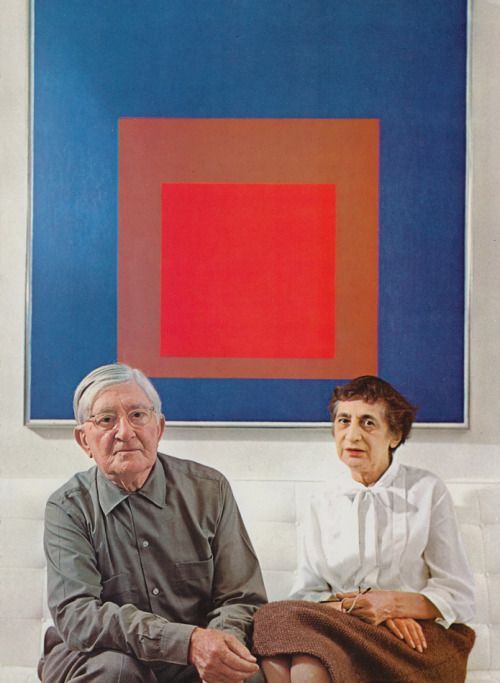
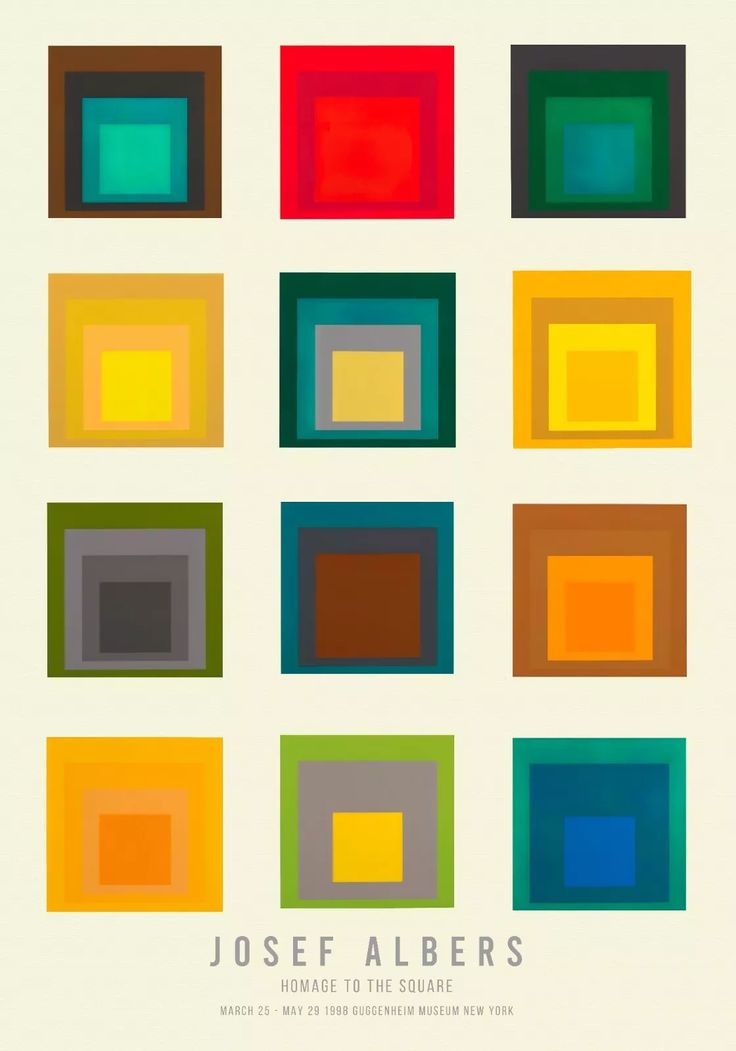
Never an architect's house. At Black Mountain, campus housing; in New Haven, an ordinary house; in Orange, a single-storey bungalow with white walls and no curtains, where visitors were surprised to see almost no work on show. There Josef painted his « Homage to the Square », begun in 1950, until his death in 1976; Anni made prints and wove there until 1994. The foundation that bears their names, in Bethany, holds their archives.
What you see there
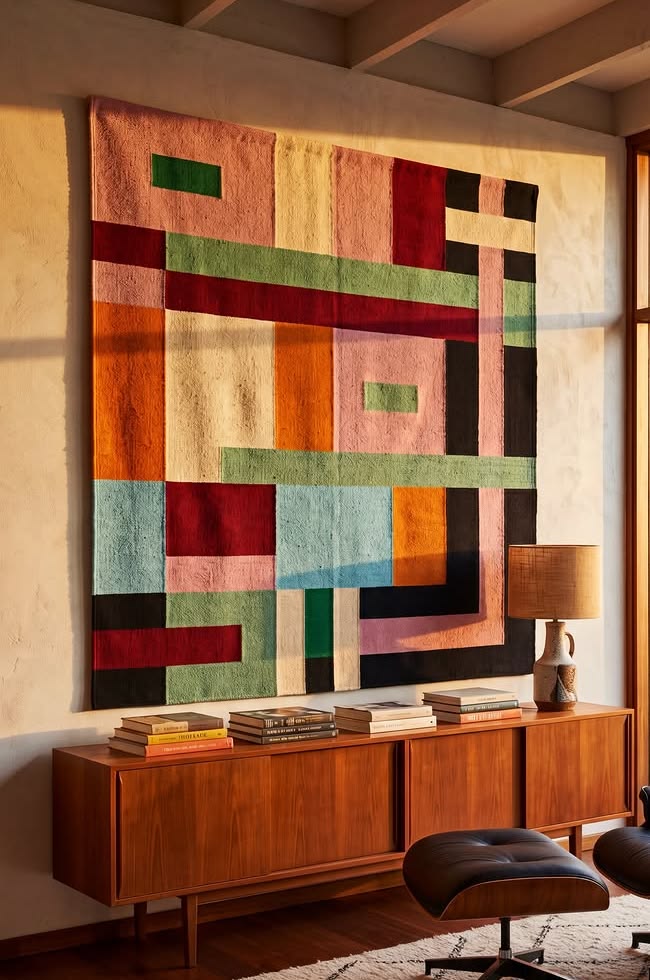
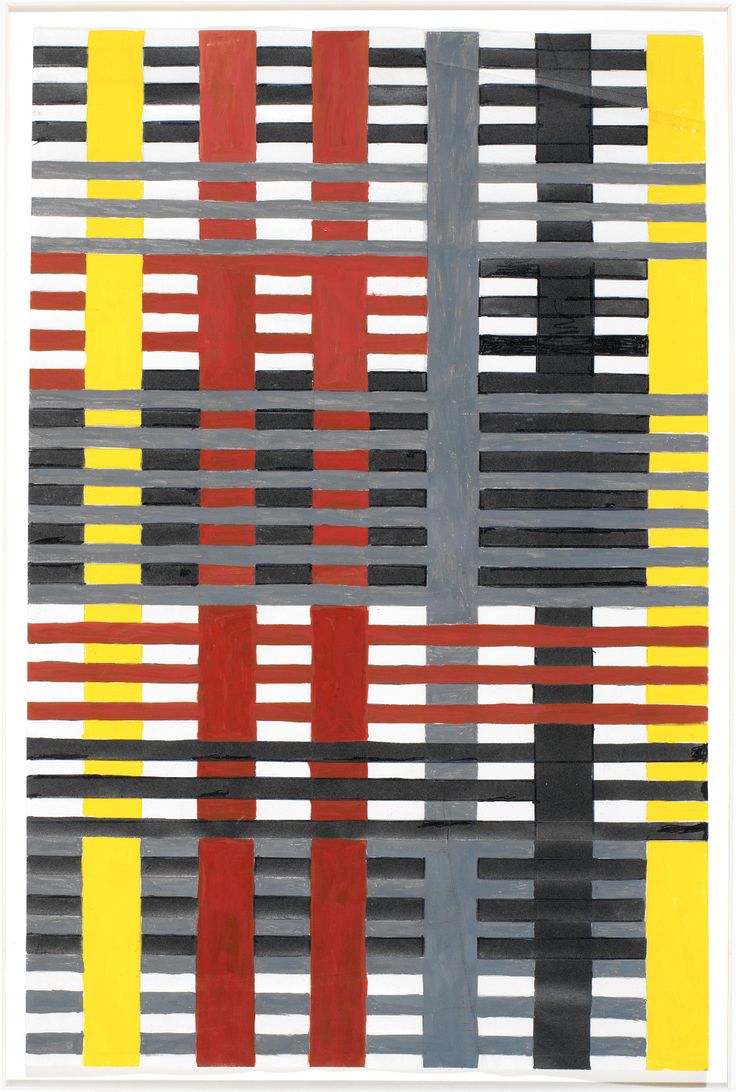
Plain furniture, with no declared style; the nesting tables Josef designed at the Bauhaus around 1927, their tops in four colours of lacquered glass, reissued since. On the walls, little, well chosen: weavings by Anni — Bauhaus hangings, then American pictorial weavings — and small pre-Columbian figures brought back from their trips to Mexico, which began in 1935. From 1940 Anni also made jewellery from washers and paper clips bought at the hardware shop.
The palette
That of « Interaction of Color », published in 1963: no colour exists on its own, each one changes according to its neighbour. At home: white walls, neutral floors, and colour concentrated on a tabletop, a weaving, a painted square.
What to take home
Choose a colour, then choose it a neighbour — and test the two side by side, in the light of the room, before buying. A weaving on the wall is worth a painting. Leave the rest alone: an interior can be learned without looking decorated.
Spotted a room in this spirit? Scan it on Beyit: Josef Albers nesting tables, a woven hanging or ceramic, the app tells you the edition, the vintage and the copy.
One photo, every piece identified.
Your room, a shop window, an inspiration screenshot: send the photo, we find the pieces and their alternatives at every price.
On your phone, the app does the same from your camera.
The pieces, at your budget.
Every piece mentioned, with its alternatives — from vintage to dupe.


Gallery
4 images