Decoration as Aesthetic Fantasy
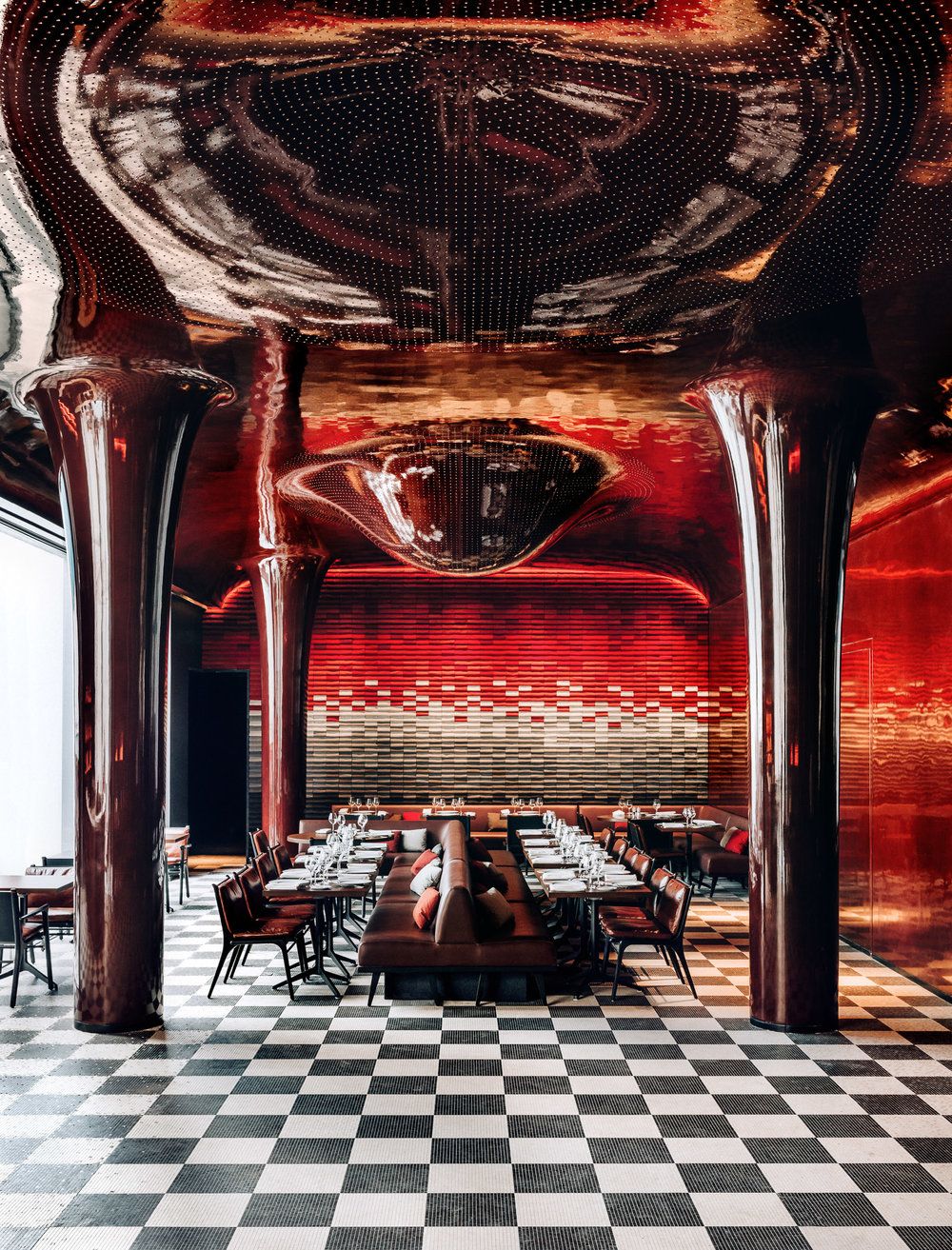
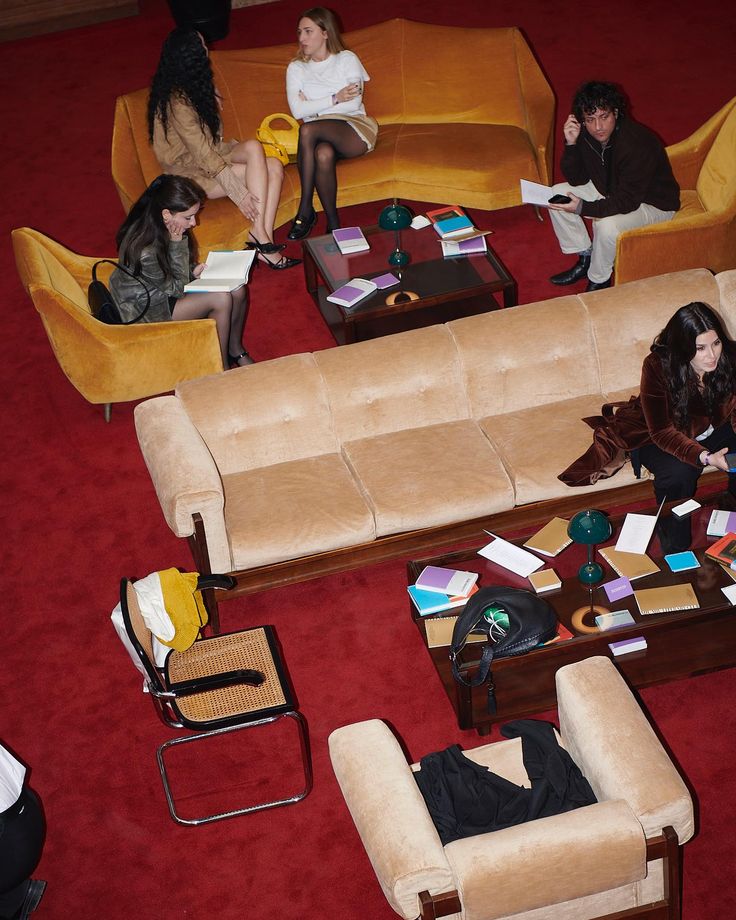
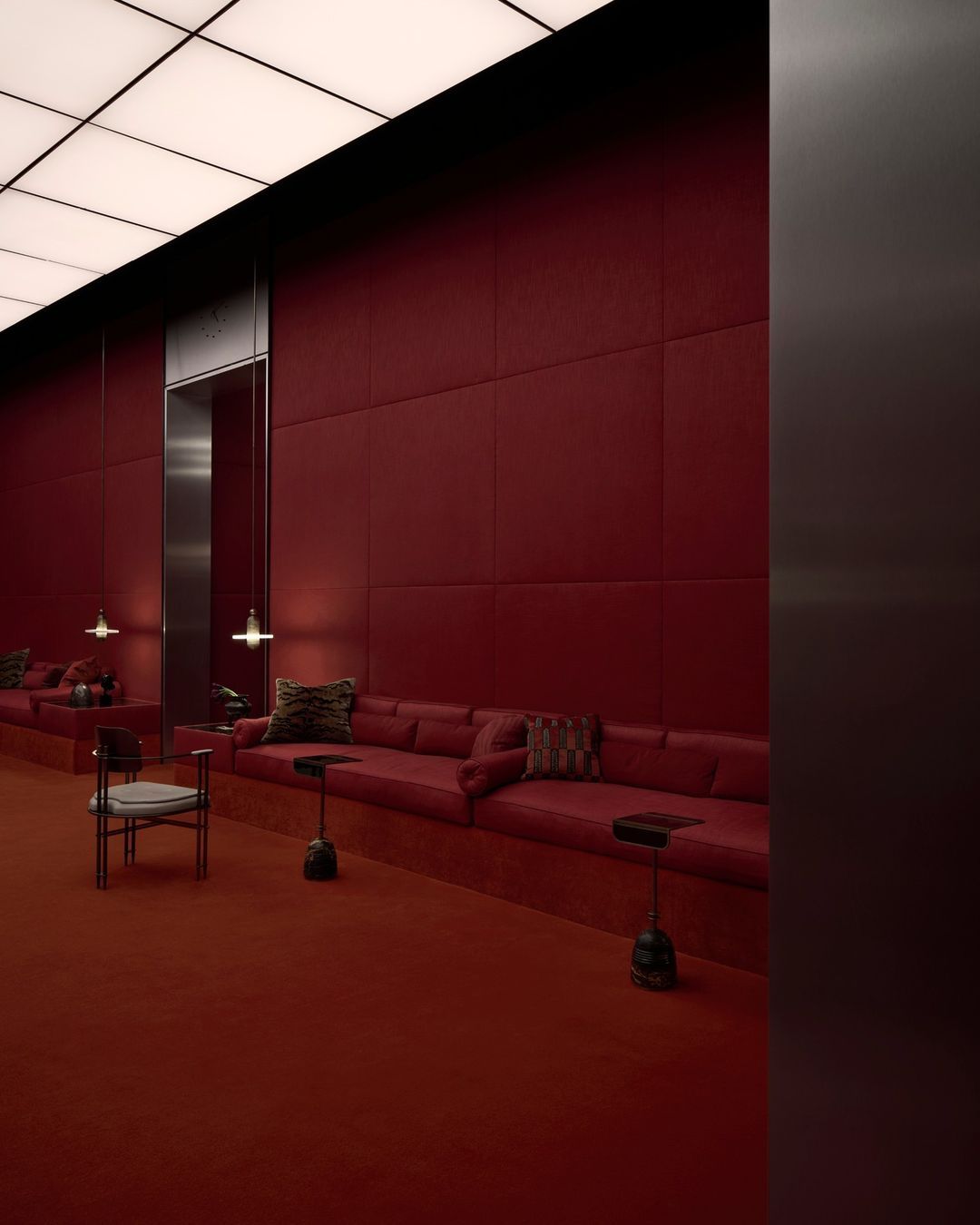
38% of Beyit subscribers have never clicked a shopping link. Not out of thrift — by choice. Interiors are becoming what fashion became twenty years ago.
3 MIN · 5 OBJECTS IDENTIFIEDOf Beyit's 4,500 paying subscribers in May 2026, 38% have never clicked a single shopping link. Not out of thrift. By choice. They pay to look, not to buy. Interiors are becoming what fashion became twenty years ago: an aesthetic fantasy consumed without acquisition.
The reversal
Before 2020: looking in order to buy
For fifty years, decoration ran on a short cycle: you saw something in Elle Déco, you wanted it, you visited a showroom, you bought it. AD US, Maison & Travaux, Marie Claire Maison were catalogues of aspiration AND tools of purchase. The full cycle — seen, desired, bought — lasted three months.
After 2020: looking in order to look
Pinterest uncoupled seeing from buying. You save 4,500 pins, you never set foot in Maisons du Monde. You admire a Pierre Yovanovitch interior in AD, you don't hire a decorator. Interior content is now consumed the way haute couture is: for pure aesthetic pleasure, not as a prelude to purchase.
Three engines
1. The real opportunity cost
Redoing a sitting room in 2026 costs between 8,000 and 80,000 euros depending on the range. For most people, impossible. Decoration becomes like haute couture: an object of admiration without access. Financial distance kills any thought of purchase from the outset.
2. The Instagram friction
Seeing a sofa doesn't tell you where to buy it. When you search, you don't find it. When you find it, it's out of stock. When it's available, the lead time is six months. Buying is so painful that scrolling becomes the only available mode of consumption.
3. Pure aesthetic pleasure
The generation raised on Instagram learned to consume the visual as an end in itself. A beautiful living room = a beautiful sunset = a beautiful image. You save it, you enjoy it, you move on. Admiration without a project, desire without a destination.
Consequences for the market
Traditional editors in decline
Roche Bobois, Habitat, Conran Shop have been losing ground for five years. Not through any drop in quality — through the evaporation of the urge to buy in their captive audience. The content works, the commerce doesn't. Habitat closed its French boutiques in 2024. Conran Shop has shrunk its network from twelve to three addresses since 2020.
Aspirational brands on the rise
Pierre Yovanovitch Éditions, Apparatus, Sancal, Tacchini: all growing strongly. Why? Because they accept their status as fantasy brands. They no longer try to sell to everyone — they try to be desired by everyone, and to sell to two per cent.
Vintage is booming
Selency, 1stDibs, Wright: double-digit growth since 2022. Vintage captures the "I'm finally buying" segment — a buyer who has spent two years scrolling and now wants a piece that proves something. Vintage has become the acting out of the fantasy. It's why Pierre Jeanneret prices have multiplied by four in four years.
What changes for the maker
For brands
Accept that you sell as much content as product. The Instagram account = indirect revenue. The newsletter = the pipeline. The physical shop = a place of pilgrimage, not transaction. Vincent Van Duysen doesn't sell a sofa in his Antwerp boutique — he sells the idea of being someone who owns a Van Duysen sofa.
For magazines
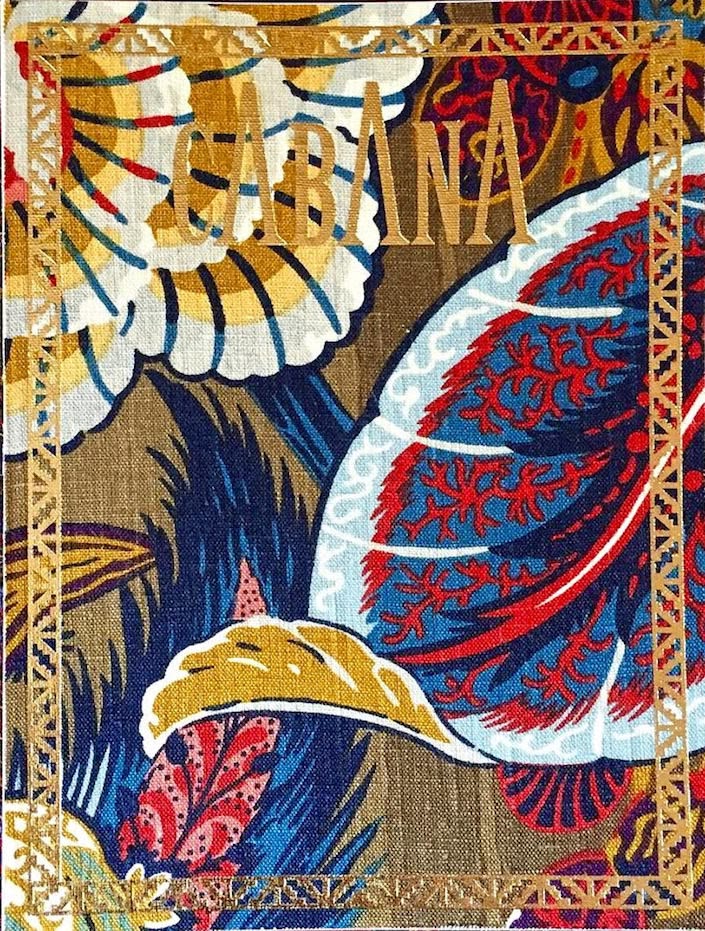
Become objects of desire, not catalogues. Cabana, World of Interiors, Apartamento understood: you buy the magazine to own it, not to identify what you'll buy next. Cabana at 38 euros an issue outsells AD at 6.50 euros — because Cabana is an object, AD a catalogue.
For decorators
Understand that you sell two separate things: a service (to 5% of clients) and a public aesthetic narrative (to 95% of followers). Each feeds the other. Yovanovitch doesn't make 100% of his revenue from his projects — he makes 40% of it from his fantasy brand.
Personal consequences
For the one who watches: accept that not everything is to be owned. The fantasy is useful in itself — it trains the eye, builds taste, prepares the moment when you'll actually buy something, perhaps in ten years. Daily scrolling is not a waste of time. It is an exercise in discernment.
The mistake: to confuse the desire for possession with the desire for purchase. Decoration is now consumed the way painting is — you look, you come back, you don't expect to walk out with the Whitney's Rothko. The fantasy is the destination, not a step towards something else.
One photo, every piece identified.
Your room, a shop window, an inspiration screenshot: send the photo, we find the pieces and their alternatives at every price.
On iPhone, the app does the same from your camera.
The pieces, at your budget.
Every piece mentioned, with its alternatives — from vintage to dupe.


Where to find Maisons du Monde
At the house itself, or at the retailer that stocks it.
Gallery
4 images