The Return of the Ugly Object
March 2026, Drouot. A cracked, mended Chinese vase sells for €4,800 against a €600 estimate. A decorator's verdict: 'exactly what I needed — the ugly object'.
3 MIN · 5 OBJECTS IDENTIFIEDMarch 2026, Drouot auction rooms. A nineteenth-century Famille Verte Chinese vase, cracked, glued back together, deemed "damaged" for the past fifty years, goes for 4,800 euros. Initial estimate: 600. Bought by a Parisian decorator for a project under way in the 7th arrondissement. His statement to the auctioneer: "exactly what I needed — the ugly object".
The conscious return of the ugly
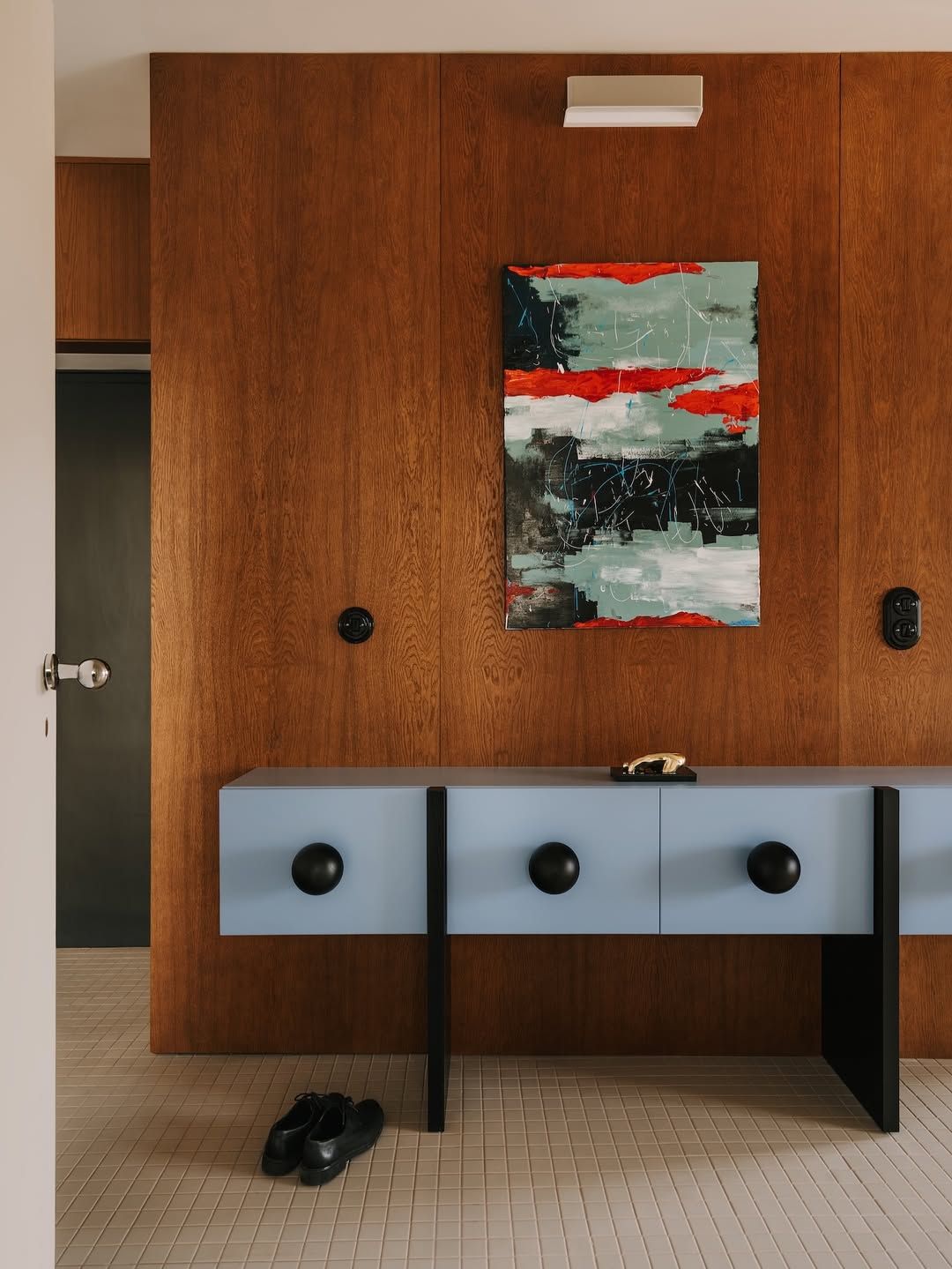
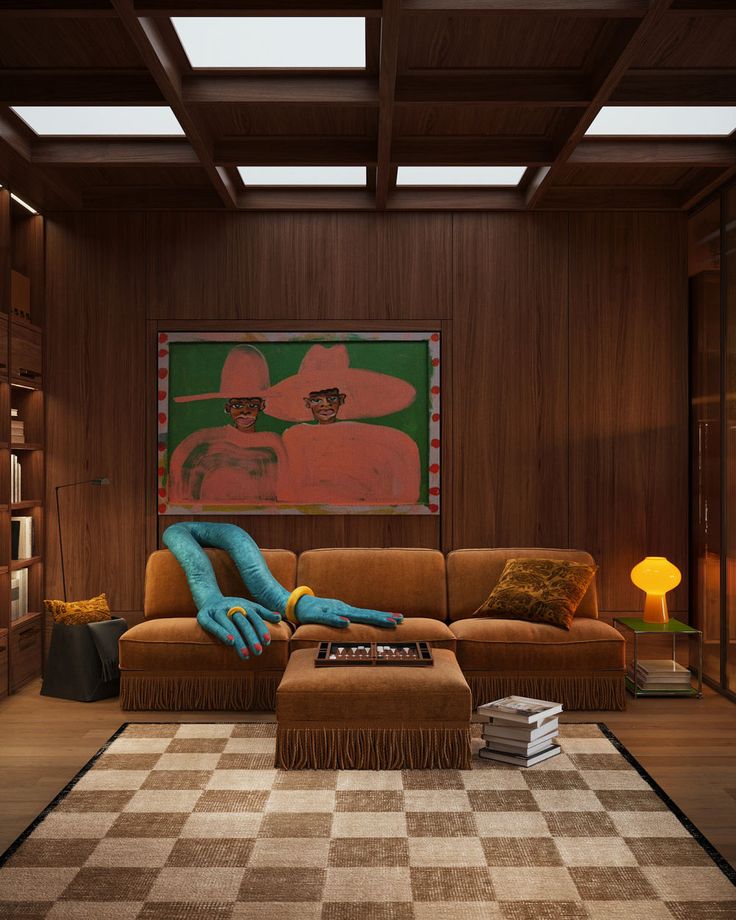
Since 2024, a category of objects has been resurfacing in the interiors that get published: deliberately ungainly pieces. Distorted sculptures, asymmetrical pottery, cracked vases, art-brut lamps, imperfect taxidermy. Foregrounded, not hidden. Set alone on a console, shown full-frame in the composition.
This is not wabi-sabi. Wabi-sabi celebrates imperfection as a serene philosophy. The "ugly object 2026" is more aggressive: it is openly ugly, and shown as such to break the surrounding beauty. Wabi-sabi mends with gold (kintsugi). The ugly object of 2026 leaves the crack untreated.
Why now
1. Instagram beauty fatigue
Fifteen years of over-lit feeds, flawlessly composed, retouched. The eye is hunting for friction. An ugly object has become the only element that resists photography — it unsettles the composition instead of serving it.
2. Anti-AI
As AI-generated images become indistinguishable from interior photography, ugliness becomes the only marker of humanity. Midjourney and Sora produce smooth beauty without end; ugliness remains exclusively human. A cracked vase, sourced second-hand, is necessarily real — proof of physical existence that no generated image can convincingly fabricate.
3. Connoisseur status
Deliberately choosing an ugly object presupposes a trained eye. The novice picks the pretty (symmetrical vase, smooth sculpture, harmonious colours). The connoisseur, in 2026, picks what unsettles. It has become a marker of cultural capital — the gesture that sets one apart, and that cannot be copied by anyone who doesn't know.
Five types of ugly object that work
1. Warped ceramics
From contemporary potters who refuse symmetry. Sought after: Nicolas Aubagnac (Île de Ré), Anne Bulliot (Drôme), Eric Hibelot (Burgundy). Expect 280 to 1,200 euros at Galerie Mouvements Modernes (Paris, rue de Charonne) or directly from the studio. The hallmark: no two pieces alike, forms that look collapsed or mid-fall.
2. Old, imperfect taxidermy
Torn plumage, awkward posture, visible old restorations. Deyrolle (Paris, rue du Bac) for quality pieces. Drouot's Histoire Naturelle sale, twice a year, for older specimens. 400 to 3,000 euros. The criterion: the piece must have lived, not been made for the contemporary market.
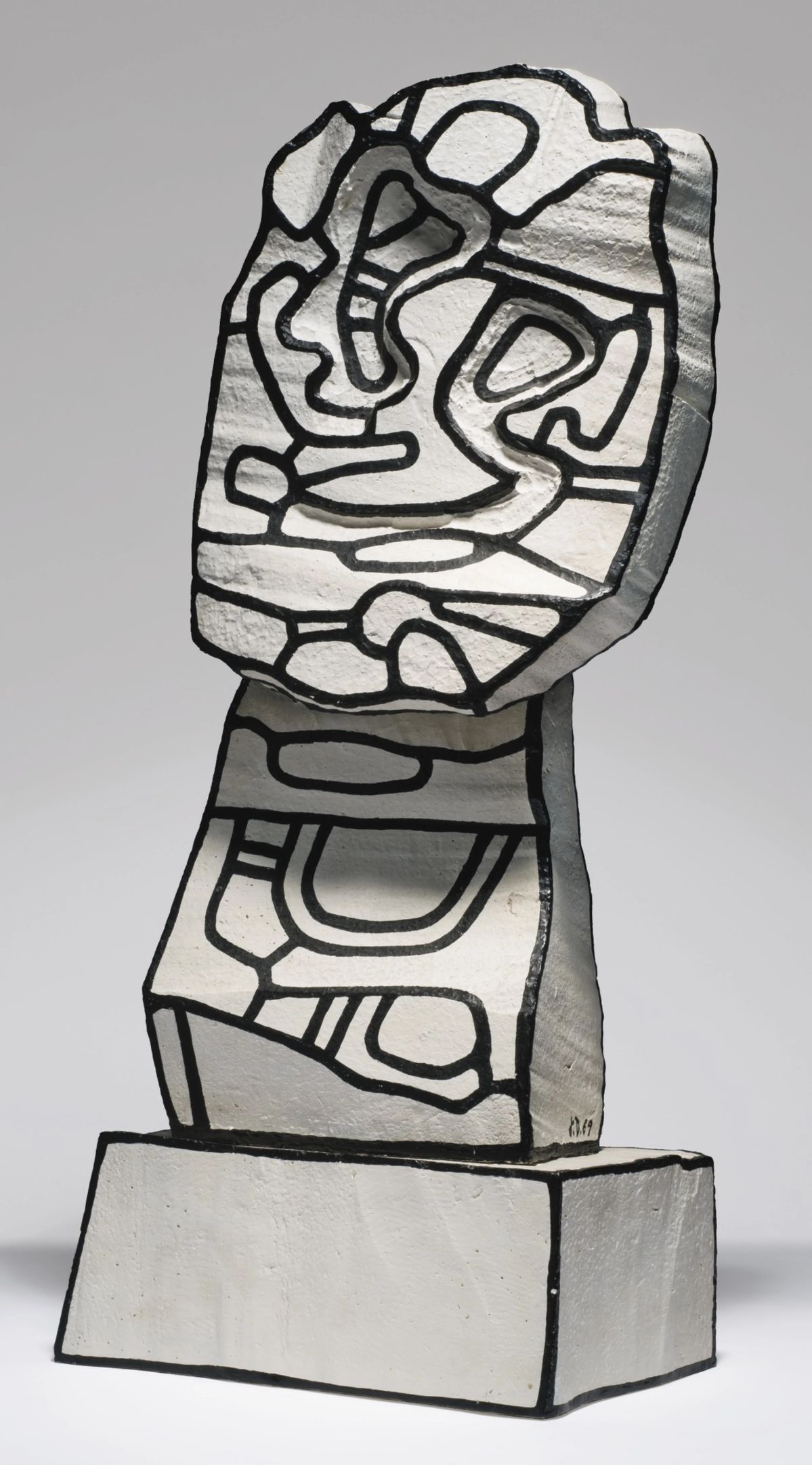
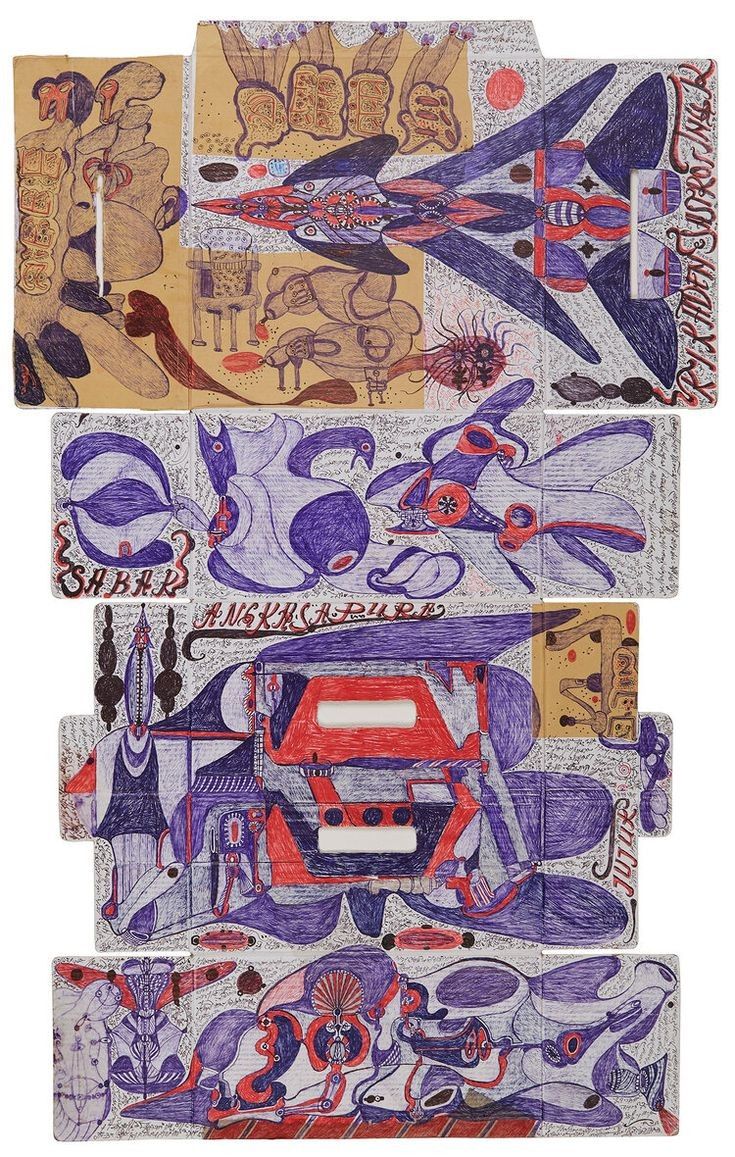
3. Art-brut sculpture
Work by Jean Dubuffet (expensive), Gaston Chaissac (very expensive), or anonymous naïve artists from the 1950s and 60s (within reach). Galerie Christian Berst in Paris (impasse Saint-Claude). Expect 2,000 to 15,000 euros depending on piece and provenance. The marker: the object must look made by someone who never studied art.
4. "Failed" furniture
Pieces by lesser-known designers, strange forms, off-key proportions. Early Joseph-André Motte, Pierre Chapo, Roger Capron in his brutalist period. Selency, Drouot, Galerie 54 (Paris, Saint-Germain quarter). 800 to 6,000 euros.
5. Deliberately clumsy paintings
School of London (Frank Auerbach, Leon Kossoff, late Lucian Freud), American Outsider Art, European naïve painters of the 1960s. Galerie Karsten Greve, Galerie Lelong in Paris. From 4,000 euros for the anonymous, far more for the signatures.
How to integrate it
One rule only: one ugly object at a time. Ugliness signs only when rare. Multiplied, it turns into visual noise — and one falls back into the accumulated, not the collected.
Placement matters too. An ugly object set alone, on an empty surface (marble table, bare console, otherwise empty shelf), takes its full force. Set in the middle of an accumulation, it disappears. The unwritten rule: surround the ugly object with at least thirty centimetres of empty space in every direction.
The trap
The most common mistake: taking "ugly" as a synonym for "kitsch". Kitsch (miniature figurines, garden gnomes, animal-shaped lamps) is the cultural-capital-free version of the ugly. It conjures the sentimental bourgeois, not the demanding collector.
Good "ugly" is always backed by a signature, a provenance, or a recognised artistic lineage. A cracked nineteenth-century Famille Verte vase at Drouot. A Dubuffet certified by the foundation. A Pierre Chapo signed by the workshop. Without that anchor, the ugly object becomes simply… ugly. Without capital, ugliness is nothing.
One photo, every piece identified.
Your room, a shop window, an inspiration screenshot: send the photo, we find the pieces and their alternatives at every price.
On iPhone, the app does the same from your camera.
The pieces, at your budget.
Every piece mentioned, with its alternatives — from vintage to dupe.


Gallery
4 images