You don't want vintage. You want proof of taste.
Only 12% of vintage buyers cite sustainability. Sixty-seven percent want a piece no one else owns. Vintage is no longer green. It is status.
3 MIN · 5 OBJECTS IDENTIFIEDOf Selency's 4,200 sales in April 2026, the fastest-moving piece is no longer the Wegner chair or the anonymous Scandinavian lamp. It is the Pierre Jeanneret PJ-SI-25-A, sold on average in 47 minutes. Not because it is beautiful. Not because it is rare. Because owning a genuine PJ-SI-25-A at home proves something no new piece of furniture can prove.
The vintage-sustainability confusion
For fifteen years the vintage interiors market was read as a "green" or "anti-IKEA" market. Buying secondhand meant consuming better, saving a piece, avoiding the new. The sustainability narrative dominated every communication put out by Selency, Vinted Maison, 1stDibs and Vestiaire Collective.
That narrative no longer holds. Selency published its annual report in March 2026: "sustainability" is cited by 12% of buyers. "Owning a piece no one else has" by 67%. Vintage is no longer green. It is status.
What we are really looking for
1. Proof of eye
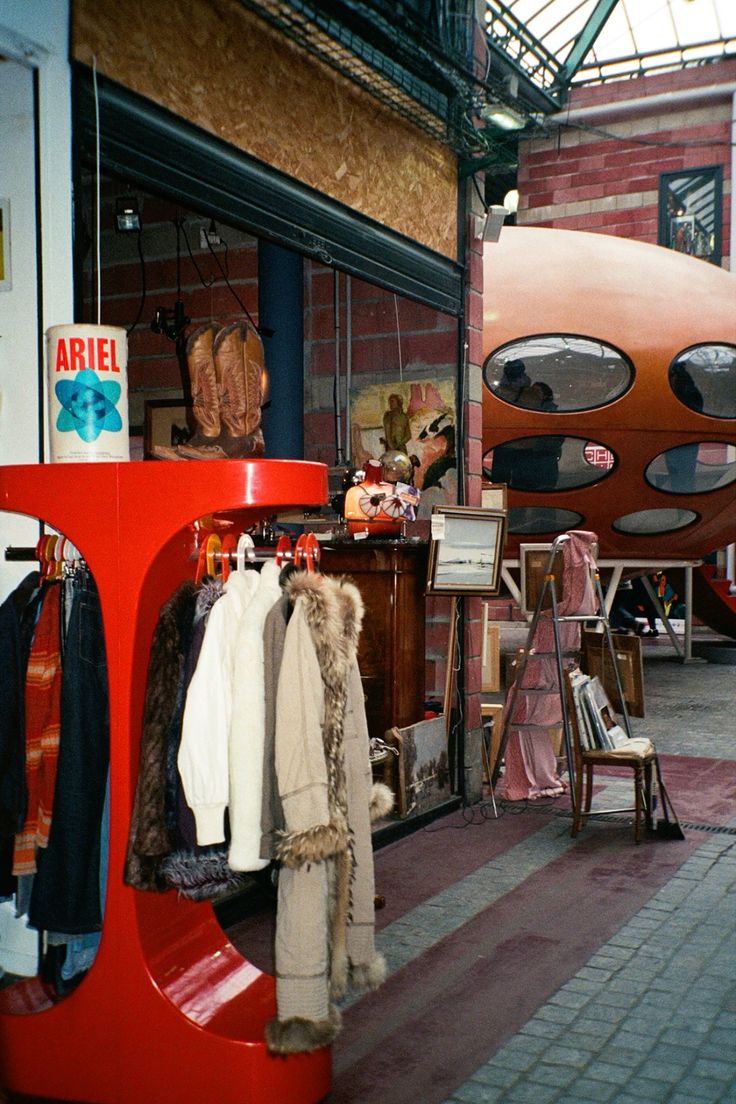
A vintage piece found at Vanves or Saint-Ouen is proof of an act. Someone went out, searched, recognised, haggled, carried the piece home. It is the exact opposite of a Made.com click — ownership is documented by a gesture. Vintage signals competence (knowing how to recognise, knowing how to choose).
2. The non-duplicable signature
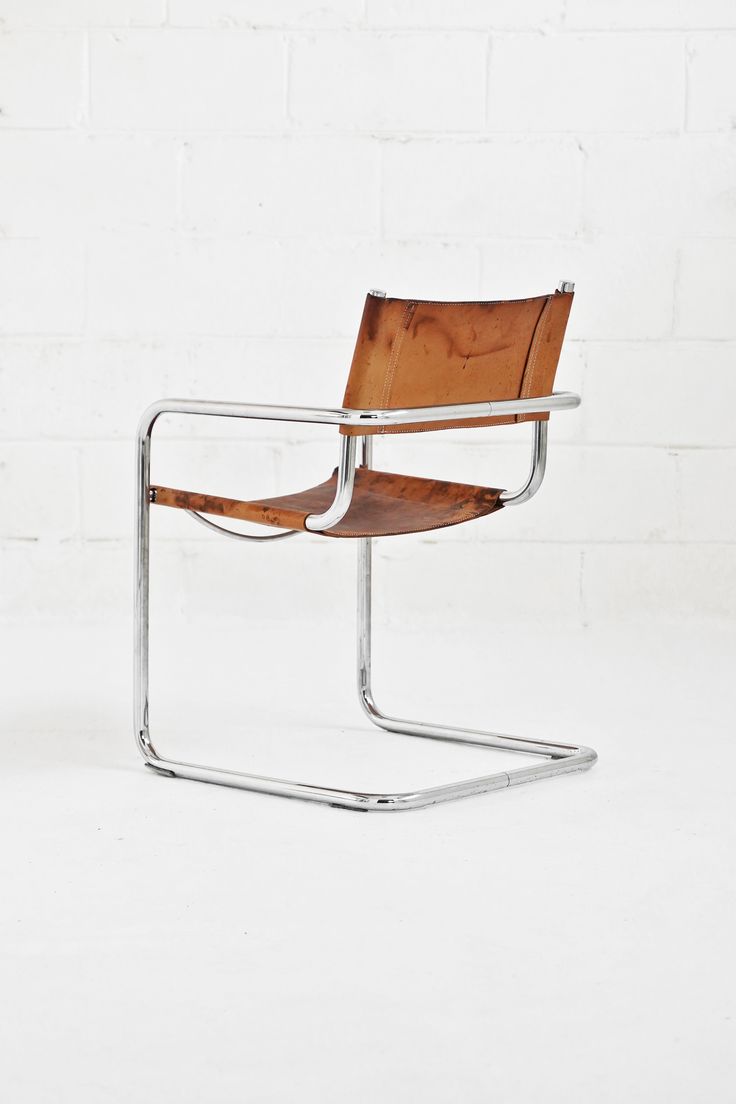
A genuine 1965 Cesca, with its bluish chrome patina and yellowed caning, cannot be Photoshopped. Its 2026 Knoll reissue cannot either, but costs 1,480 euros. The 600-euro vintage version delivers the same image plus the status of "found". Identical image, divergent social value.
3. The anti-Pinterest
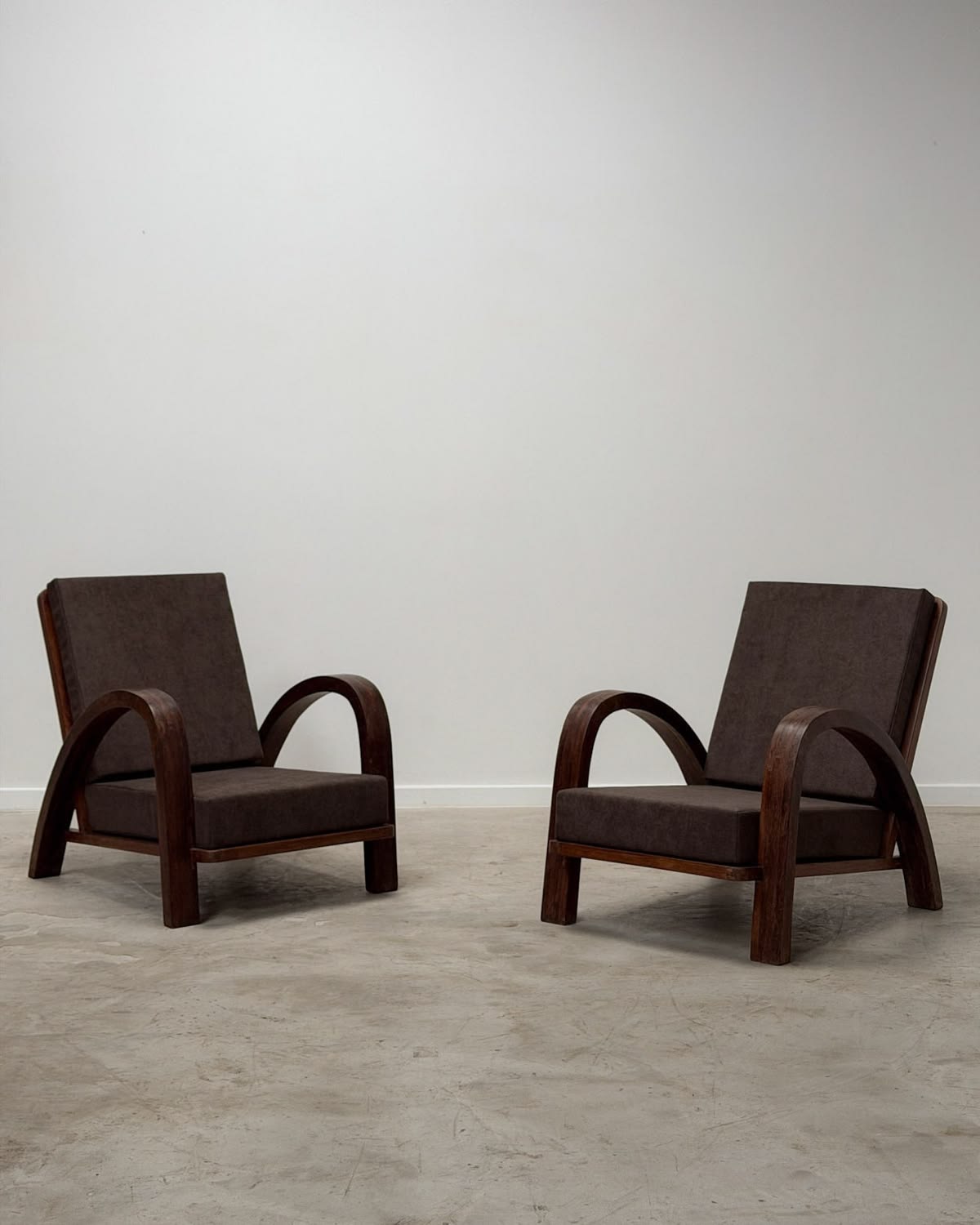
Rare vintage is by definition non-duplicable at scale. It signs individuality in an ocean of homogeneous feeds. It is the algorithmic antidote. No one on Pinterest owns the same 1953 Tenreiro chair as you — it is the only argument that holds against the global convergence of taste.
The new rules of status vintage
Rule 1: No over-represented icons
A Henningsen PH5 or a Bertoia Diamond have become so widespread that they no longer signal anything. Like a Goyard Saint-Louis: luxury without cultural capital. To be avoided in 2026 if you are after status — to be chosen if you are simply after quality.
Rule 2: Favour the known unknown
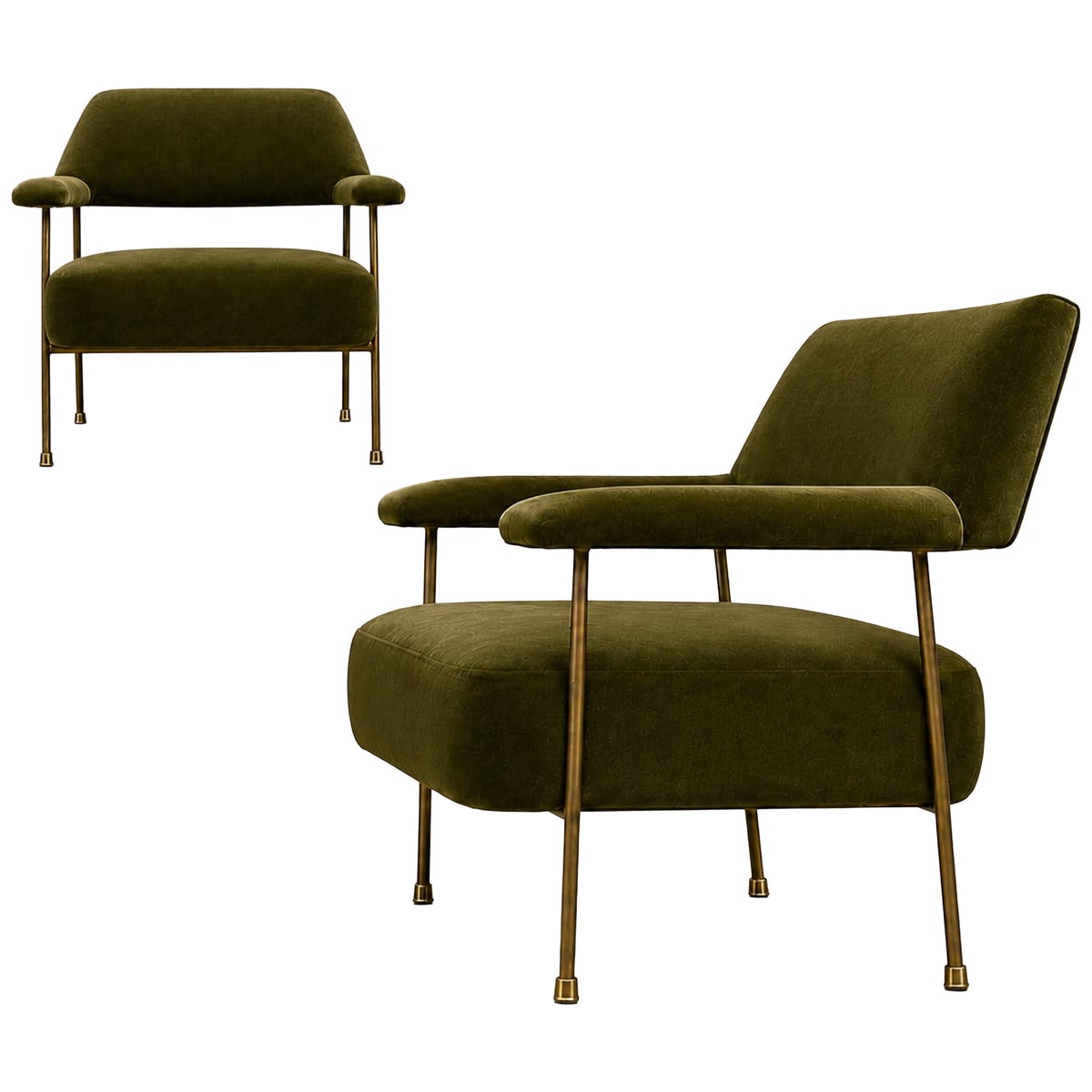
The lesser-known designers the trade names: Joaquim Tenreiro (Brazilian, 1906-1992), Joseph-André Motte (French, 1925-2013), Florence Knoll (1917-2019), Lina Bo Bardi (Italian-Brazilian, 1914-1992). The ones you identify without having seen them a thousand times. The learning curve of the name equals the learning curve of cultural capital.
Rule 3: Provenance trumps condition
A 1956 Eames delivered by Charles to a private client is worth more than a 1996 Eames in mint condition. Provenance — who owned it, where, when — has become the ultimate status criterion. That is why the trade now systematically documents provenance with archive photographs, invoices, letters of authentication.
What is changing for the market
Selency, 1stDibs, Wright, Phillips are no longer selling "second-hand furniture". They are selling materialised cultural capital. That is why prices on signed pieces have tripled in four years — Pierre Jeanneret has gone ×4 between 2022 and 2026, Charlotte Perriand ×3, Tenreiro ×5.
New furniture, meanwhile, is becoming interchangeable. For the first time in 2025, Cassina sold less in cumulative value than Selency. The market has flipped: pieces made in the fifties to seventies are worth more than pieces made today by the same houses.
Practical consequences
Three consequences for the buyer. Invest in two or three genuine signed pieces rather than ten interchangeable new ones — the resale value will be multiplied by ten over twenty years. Document provenance (invoice, photograph, certificate) — it will be asked for on resale. Learn the names: Tenreiro, Motte, Bo Bardi, Sciolari, Caccia Dominioni, Joseph-André Motte, Pierre Chapo. Vocabulary has become status.
One photo, every piece identified.
Your room, a shop window, an inspiration screenshot: send the photo, we find the pieces and their alternatives at every price.
On iPhone, the app does the same from your camera.
The pieces, at your budget.
Every piece mentioned, with its alternatives — from vintage to dupe.


Where to find IKEA
At the house itself, or at the retailer that stocks it.
Gallery
4 images