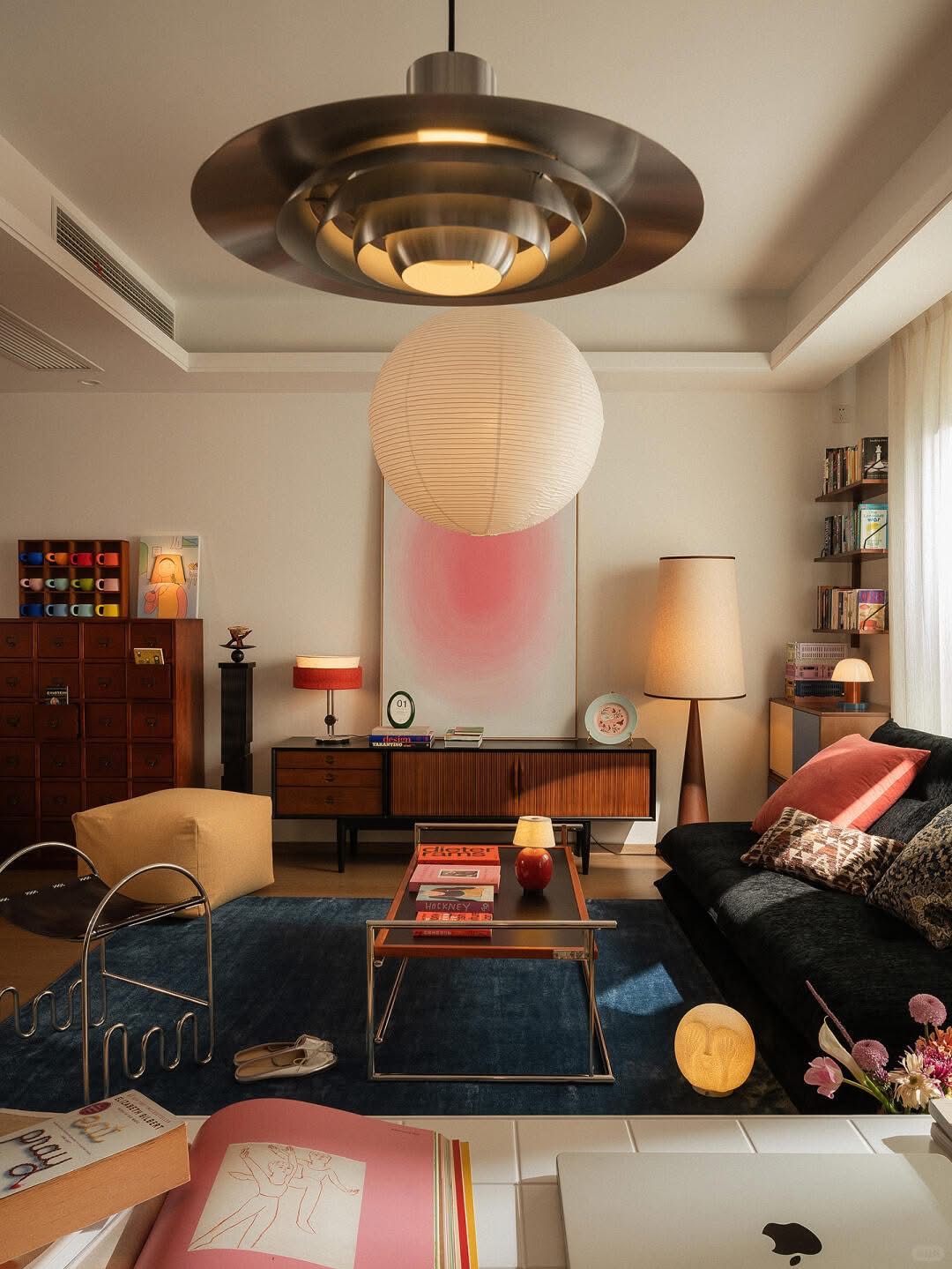

The Danish sideboard has become the archetypal piece of the European living room. Its value doubled over fifteen years, then settled. Here is where it stands in 2026, and above all how to read a sideboard before you pay for a name.
The monuments
Arne Vodder for Sibast, fronts with coloured drawers or sliding doors: between €2,500 and €6,000. Ib Kofod-Larsen for Faarup, with softened corners: between €2,000 and €5,000. Gunni Omann for Omann Jun, inlaid handles: between €1,500 and €3,500. Kai Kristiansen for Feldballes, including the FM wall system: within the same bracket. Rosewood is worth more than teak — but Rio rosewood falls under the CITES convention, and its sale requires a certificate.
How to read a sideboard
Turn it over or open it up: maker's stamp, the Danish furniture control label, model number. Dovetailed drawers, oak or beech interiors, thick straight-grained veneers are the marks of quality. Flaking veneer, replacement handles, a new hardboard back all bring the price down.